
5 Types of Dog Eye Discharge and When To Go to the Vet
5 Types of Dog Eye Discharge and When To Go to the Vet
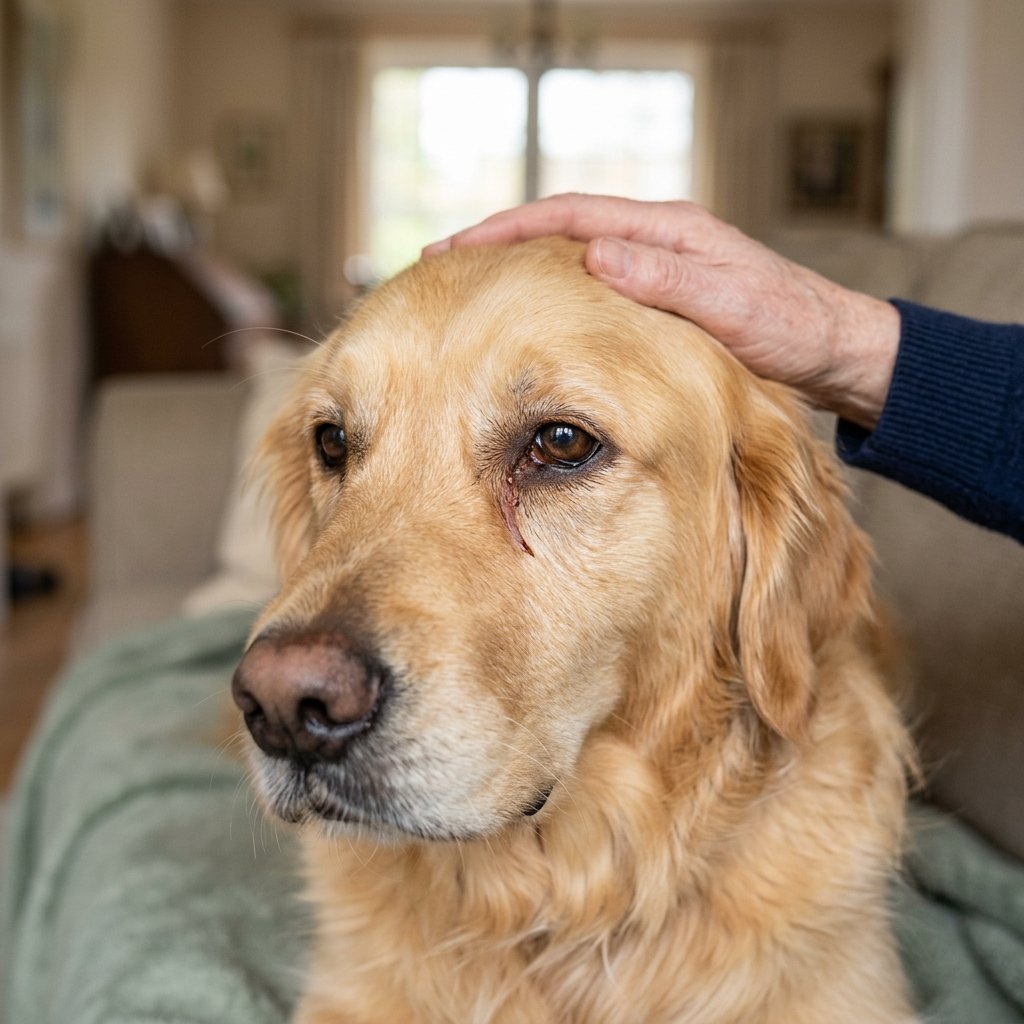
Dog eye discharge can range from completely normal “sleep” in the corner of the eye to a red‑flag sign of infection, injury, or glaucoma that needs urgent vet care. Knowing the 5 main types of discharge, what they usually mean, and when to call the vet helps you protect your dog’s sight and comfort.
Introduction: When Is Dog Eye Discharge Normal?
A small amount of light brown crust in the inner corners of the eyes, especially in the morning, is usually normal and just dried tears and debris. Your dog’s eyes should otherwise be clear, open, comfortable, and without constant wetness or colored goop through the day.
Problems start when you see changes in amount, color, consistency, or when discharge appears along with redness, squinting, rubbing, or swelling. Those changes often indicate irritation, infection, dry eye, structural issues, or painful diseases like glaucoma that require prompt veterinary care.
The 5 Main Types of Dog Eye Discharge
1. Clear, Watery Discharge
This looks like tears or a consistently damp area under or around the eye.
Common causes:
- Mild allergies (pollen, dust, smoke, cleaning sprays)
- Irritants or debris (wind, sand, a stray hair or eyelash)
- Epiphora (over‑tearing) from blocked tear ducts or eyelid/eyelash abnormalities
- Short‑nosed, bulgy‑eyed breeds where tears spill over more easily
When it may be okay:
- Mild, short‑term tearing (1–2 days) without redness, squinting, or rubbing.
When to see the vet:
- Constant tearing plus red, painful eyes, cloudiness, or squinting—this can indicate corneal injury, infection, or glaucoma and should be checked promptly.
2. Reddish‑Brown Tear Stains
These are rust‑colored streaks on the fur under the inner corners of the eyes, especially in white or light‑colored dogs. The color comes from porphyrin, a pigment in tears that turns reddish when exposed to air.
Common causes:
- Chronic tearing from shallow eye sockets or blocked ducts
- Certain breeds (e.g., Poodles, Maltese, Shih Tzus, brachycephalic breeds) that are more prone to overflow tears
Usually this is mainly a cosmetic issue, but if staining is new or worse than usual, or the skin is irritated or smelly, it may indicate infection or chronic irritation and deserves a vet check.
3. White or Gray, Stringy Mucus
This discharge is thicker than tears and may look white, off‑white, or gray and stringy, sometimes sticking to the eye surface.
Common causes:
- Dry eye (keratoconjunctivitis sicca / KCS) where the eye does not produce enough tears
- Chronic irritation or conjunctivitis
- Some allergic or immune‑mediated eye conditions
Why it matters:
In dry eye, the eye can become very painful, prone to ulcers, and even lose vision if untreated. Dogs may squint, blink excessively, paw at the eye, or keep it partially closed.
White, sticky discharge or discharge that clings to the eyeball is not normal and should always prompt a vet visit.
4. Yellow or Green Pus‑Like Discharge
This looks thick, gooey, and often sticky, with a yellow, yellow‑green, or green color and sometimes a bad smell.
Common causes:
- Bacterial eye infections (often conjunctivitis)
- Infected corneal ulcers or scratches on the surface of the eye
- Infected dry eye or tear duct issues
Red or swollen eyes, squinting, sensitivity to light, and pawing at the eye often appear at the same time.
Thick yellow or green discharge is always abnormal and often painful; it needs prompt veterinary care and usually prescription medication such as antibiotic or medicated eye drops.
5. Bloody or Mixed Discharge with Red, Painful Eyes
Sometimes discharge is streaked with blood, or the eye looks intensely red, swollen, and sore along with any color discharge.
Possible serious causes include:
- Corneal ulcers or injuries
- Uveitis (inflammation inside the eye)
- Glaucoma (dangerously high pressure in the eye)
- Tumors, trauma, or foreign bodies
These conditions can be extremely painful and can cause permanent vision loss if treatment is delayed. Blood‑tinged or obviously abnormal discharge with pain is always an emergency.
Causes Behind Dog Eye Discharge
Beyond the type of discharge, vets think in terms of underlying causes.
Major categories include:
- Allergies and irritants – Dust, pollen, smoke, shampoos, or household cleaners can cause clear, watery discharge and mild redness.
- Conjunctivitis (“pink eye”) – Inflammation of the lining around the eye, from infections, allergies, or irritants; often causes redness, swelling, and mucous or pus.
- Dry eye (KCS) – Immune‑mediated or other damage to tear glands causing inadequate tears, leading to white or thick mucus, ulcers, and pain.
- Eyelid and eyelash problems – Entropion (rolling in), ectropion (drooping), abnormal lashes, or eyelid tumors rubbing on the eye and causing tears, mucus, or ulcers.
- Blocked tear ducts and structural issues – Tears spill out instead of draining, causing chronic wetness and staining.
- Infections and injuries – Bacteria, viruses, foreign bodies, scratches, and trauma can all trigger painful, colored discharge.
- Serious internal eye disease – Glaucoma and uveitis often cause redness, pain, cloudiness, and abnormal discharge, and they threaten vision.
Because so many causes look similar from the outside, guessing at home is risky—especially if your dog seems uncomfortable.
When to See the Vet (And When It’s an Emergency)
See your vet soon (within a day or two) if you notice:
- A sudden increase in discharge amount, or discharge changing color (white, yellow, green).
- Red, bloodshot eyes or swelling around the eye.
- Squinting, blinking more than usual, or holding an eye partly closed.
- Rubbing or pawing at the eye, or avoiding light.
- Discharge that persists more than a couple of days, even if mild.
Treat it as an emergency if you see:
- Thick yellow or green pus‑like discharge with obvious pain.
- Sudden bulging, cloudiness, or a blue/white haze over the eye.
- Blood in or around the eye, or trauma (scratch, bite, accident).
- Your dog can’t open the eye at all or is very distressed.
Painful conditions like glaucoma and deep ulcers can progress quickly, and delaying care can lead to permanent blindness or eye loss.
How Vets Diagnose and Treat Eye Discharge
Vets use eye exams and simple in‑clinic tests to figure out the cause.
Common steps:
- Full eye exam with a light and magnification to look at the surface and inner structures.
- Fluorescein stain test to look for corneal scratches or ulcers.
- Tear production test (Schirmer tear test) if dry eye is suspected.
- Eye pressure measurement (tonometry) for glaucoma.
- Sometimes eye swabs or bloodwork if infections or systemic disease are suspected.
Typical treatments can include:
- Prescription antibiotic or anti‑inflammatory eye drops/ointment for infections or conjunctivitis.
- Tear‑stimulating meds and lubricating drops for dry eye, often life‑long.
- Pain relief and specific meds for glaucoma or uveitis, sometimes referral to an eye specialist.
- Surgery or other procedures to fix eyelid/eyelash abnormalities or remove tumors.
Never use leftover eye meds or human drops without veterinary guidance; wrong products can worsen the problem or mask a serious disease.
Expert Tips for Everyday Eye Care
- Gently wipe normal morning “sleep” from the corners of the eyes with damp cotton pads; use a separate pad for each eye.
- Check your dog’s eyes daily for changes in color, clarity, or discharge, especially in brachycephalic or eye‑problem‑prone breeds.
- Avoid letting shampoo, soap, or strong chemicals splash into your dog’s eyes; rinse with clean water if they do.
- Keep hair trimmed away from the eyes in long‑haired breeds to reduce irritation.
- Follow all instructions exactly if your dog is on eye medication—missing doses can slow healing or lead to complications.
FAQ: Dog Eye Discharge
Is a little “eye booger” in the morning normal?
Yes. A small, light brown crust in the inner corner after sleep, with clear, comfortable eyes the rest of the day, is usually normal.
What does green or yellow eye discharge mean?
It usually signals infection, ulcers, or an inflamed/dry eye and is not normal; your dog should see a vet promptly for diagnosis and treatment.
Can I use human eye drops on my dog?
No. Many human drops (including some redness relievers or steroid drops) can be harmful or dangerous for dogs’ eyes; always use vet‑prescribed products.
Are tear stains around the eyes dangerous?
Most tear staining is cosmetic, but new, severe, or smelly staining, or irritated skin, can indicate infection, blockage, or structural problems and deserves a vet check.