
How to Cook Jasmine Rice
How to Cook Jasmine Rice
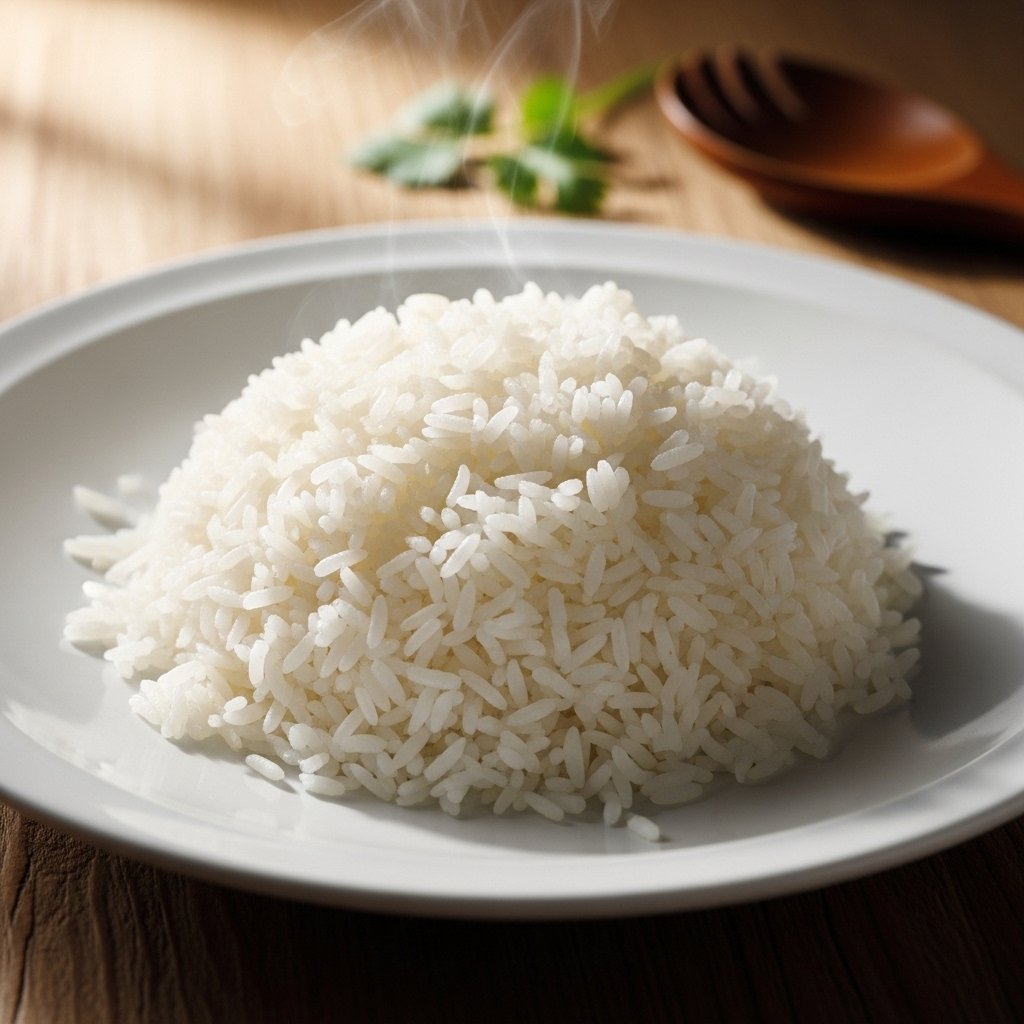
Jasmine rice is a fragrant long-grain rice known for its delicate floral aroma and soft, slightly sticky texture. When cooked properly on the stovetop, you get light, tender grains that are never soggy or hard.
This step-by-step guide shows you how to cook jasmine rice on the stove with the right water ratio, proper rinsing, and essential resting time, so your rice turns out perfectly every time.
What Is Jasmine Rice?
Jasmine rice is a type of long-grain white rice originally grown in Thailand and widely used across Southeast Asia.
- Origin: Thailand and neighboring Southeast Asian countries
- Texture: Soft, tender, and a bit sticky, but not mushy
- Flavor & aroma: Mild, slightly sweet, and naturally floral
- Common uses: Served with curries, stir-fries, grilled meats, rice bowls, and everyday side dishes
Its versatility and fragrance make it a staple in Thai, Vietnamese, and other Asian cuisines.
Why Cook Jasmine Rice on the Stovetop?
There are many ways to cook rice—rice cooker, Instant Pot, microwave—but stovetop jasmine rice gives you maximum control:
- Adjustable water ratio: Fine-tune the texture to your preference.
- Simple equipment: No special gadgets required.
- Consistent results: Once you master the technique, it’s easy to repeat.
If you want fluffy jasmine rice with just the right amount of softness and stickiness, the stovetop method is a great go-to.
Ingredients and Equipment You Need
Ingredients
- 1 cup jasmine rice (uncooked, white)
- 1½ cups water (filtered or clean tap water)
- ½ teaspoon salt (optional, for flavor)
- 1 tablespoon unsalted butter or neutral oil (optional, for richness and less sticking)
Equipment
- Medium saucepan with a tight-fitting lid
- Fine-mesh strainer (for rinsing the rice)
- Fork (for fluffing the rice)
Pro tip:
For larger batches, keep the same ratio: 1 cup jasmine rice : 1½ cups water.
Step-by-Step: How to Cook Jasmine Rice on the Stove
1. Rinse the Jasmine Rice
Rinsing is crucial for fluffy rice:
- Place the jasmine rice in a fine-mesh strainer.
- Rinse under cool running water, using your fingers to gently swirl the grains.
- Continue rinsing until the water runs mostly clear (about 1–2 minutes).
Why rinse?
- Removes excess surface starch that can make rice sticky or gummy
- Helps ensure separate, light grains
2. Measure the Water and Rice
In a medium saucepan:
- Add 1 cup rinsed jasmine rice.
- Pour in 1½ cups water.
- Add ½ teaspoon salt and 1 tablespoon butter or oil, if using.
- Stir gently once to distribute.
Standard stovetop jasmine rice ratio:
- 1 cup rice : 1½ cups water
Avoid changing the ratio significantly:
- Too little water: Rice will be dry and undercooked.
- Too much water: Rice may turn mushy and waterlogged.
3. Bring to a Boil, Then Simmer
- Place the uncovered saucepan over medium-high heat.
- Bring the water and rice to a gentle boil.
- Give the rice a single gentle stir to break up any clumps.
Important:
Do not continue stirring as it cooks—stirring too much can break the grains and make the rice gluey.
4. Reduce Heat and Cover to Simmer
- As soon as it reaches a boil, reduce the heat to low.
- Cover the saucepan with a tight-fitting lid.
- Let the rice simmer undisturbed for 12–15 minutes.
Do not lift the lid while it’s simmering—this releases steam and disrupts cooking.
At 12 minutes:
- Quickly peek if needed: the water should be absorbed and the surface of the rice should look dry/dull, not wet or soupy.
- If a little water remains, cover and cook a few more minutes.
5. Let the Jasmine Rice Rest (Crucial Step)
Once the water is fully absorbed:
- Turn off the heat.
- Keep the lid on and let the rice rest for 10 minutes.
This resting time:
- Allows the rice to finish steaming gently
- Helps moisture redistribute evenly
- Produces fluffier, more even texture
No peeking: Keep the lid closed during this resting period.
6. Fluff and Serve
- After 10 minutes, remove the lid.
- Use a fork to gently fluff the rice, lifting and separating the grains.
- Serve right away or keep covered on low heat or off heat to stay warm.
Why a fork, not a spoon?
A fork is less likely to mash or compact the grains, keeping the texture light.
Serve your stovetop jasmine rice with:
- Thai or Indian curries
- Stir-fries and sautéed vegetables
- Grilled or roasted meats
- Rice bowls or as a simple side dish
Jasmine Rice Water Ratio Chart (Stovetop)
Use this chart to scale your recipe:
| Uncooked Rice | Water Needed | Approx. Cooked Yield |
|---|---|---|
| 1 cup | 1½ cups | ~3 cups cooked |
| 2 cups | 3 cups | ~6 cups cooked |
| 3 cups | 4½ cups | ~9 cups cooked |
For best results, keep the same 1:1.5 rice-to-water ratio and use a larger pot for bigger batches.
Tips for Perfect Jasmine Rice
- Always rinse the rice: This is the single most important step for non-gummy rice.
- Use a heavy-bottomed saucepan: It distributes heat more evenly and helps prevent scorching.
- Don’t stir while cooking: Stirring breaks grains and releases more starch.
- Keep the lid on: Lifting the lid lets steam escape and can cause uneven cooking.
- Let it rest: The 10-minute rest after cooking is essential for fluffy texture.
Common Jasmine Rice Problems (and Fixes)
Rice is too hard or crunchy
- Likely undercooked or not enough water used.
- Fix: Add a few tablespoons of water, cover, and cook on low for 3–5 more minutes, then rest again.
Rice is soggy or mushy
- Likely too much water or overcooking.
- Fix: Next time, strictly follow the 1:1.5 ratio and cooking time. If it’s only slightly wet, uncover the pot and let it sit on very low heat for a few minutes to evaporate excess moisture.
Rice sticks to the bottom
- Heat may have been too high or the rest time skipped.
- Use low heat during simmering and always rest before fluffing. A bit of sticking is normal, but burning is not.
Rice tastes bland
- Don’t forget the salt.
- You can also add butter, oil, or broth instead of plain water for extra flavor.
Flavor Variations and Add-Ins
Jasmine rice’s mild flavor makes it a great base for add-ins:
- Cilantro lime jasmine rice:
Stir in fresh lime juice, lime zest, and chopped cilantro after cooking. - Coconut jasmine rice:
Replace half (or all) of the water with coconut milk for rich, lightly sweet rice (add a pinch of salt and a bit of sugar if desired). - Garlic jasmine rice:
Lightly sauté minced garlic in butter or oil in the pot first, then add rice and water and cook as directed. - Sesame rice:
Stir in a drizzle of toasted sesame oil and sprinkle with toasted sesame seeds before serving. - Spiced jasmine rice:
Add a pinch of turmeric, cumin, or cinnamon to the cooking water for nuanced flavor and color.
Serving Ideas for Jasmine Rice
Use fluffy jasmine rice as:
- A base for Thai curries, such as green or red curry
- A side for stir-fries and noodle dishes
- A complement to grilled chicken, beef, or fish
- The foundation for rice bowls with veggies, protein, and sauce
- Leftovers for fried rice (best made with day-old jasmine rice)
FAQs
How much water for jasmine rice?
Use a 1:1.25 ratio—1 cup rice to 1 1/4 cups water for fluffy results on the stovetop.
Is jasmine rice sticky?
Yes, slightly sticky from natural starch, but rinsing keeps grains separate and tender.
Can I cook jasmine rice in a rice cooker?
Absolutely. Just rinse the rice, add water, and select the white rice setting. It’s perfect if you want to set it and forget it.
Why is my jasmine rice mushy?
Over-rinsing isn’t the issue; too much water or early lid lifts cause it. Try a 12-minute simmer next.
How long does jasmine rice last in the fridge?
Up to 4 days in an airtight container. Reheat with a splash of water for the best texture.