
Classic Figgy Pudding
Classic Figgy Pudding
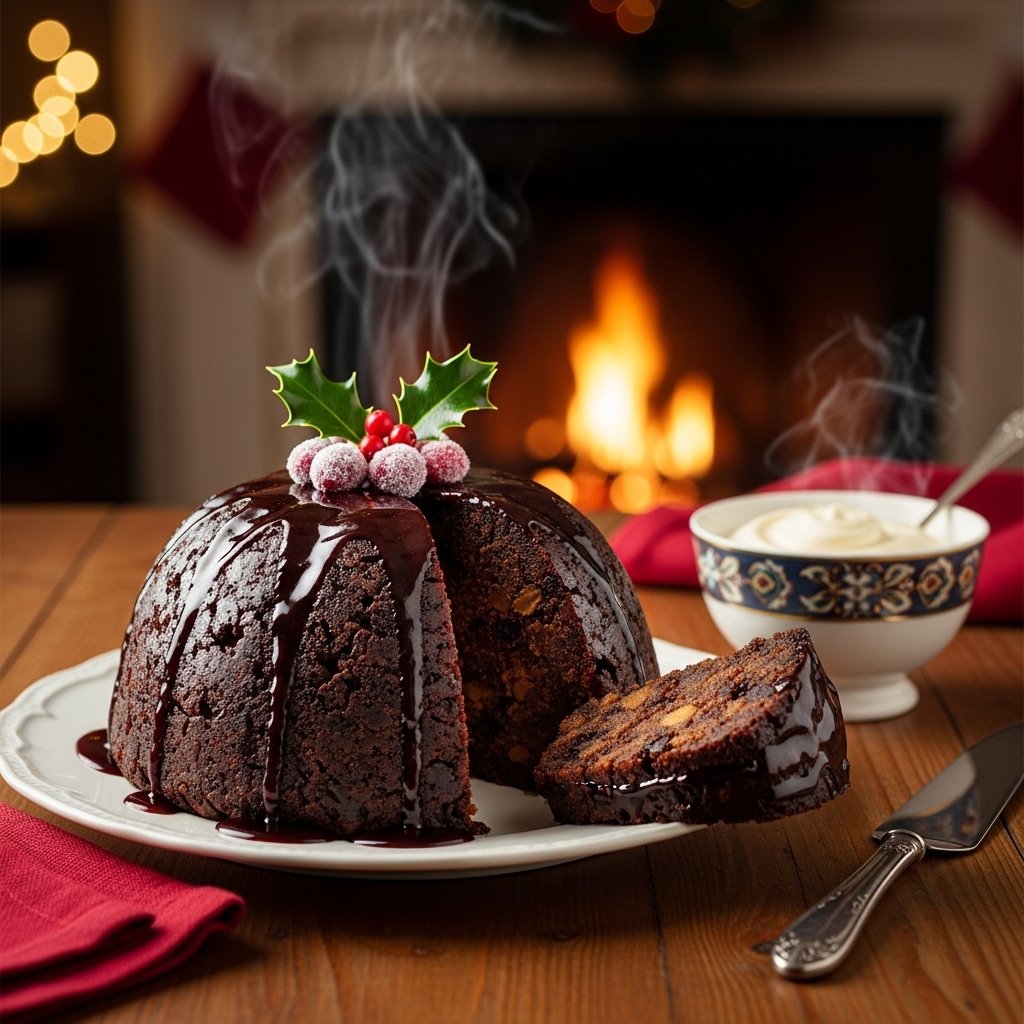
Figgy pudding is one of the most nostalgic Christmas desserts—a rich, deeply fruity, warmly spiced pudding that feels straight out of a Victorian holiday scene. With its dense, moist texture and luxurious toffee sauce, it makes a stunning centerpiece and a delicious nod to old-world festive traditions.
Below is a fully rewritten, clearly structured, and grammar-polished version of your guide.
What Is Figgy Pudding?
Figgy pudding is a moist, fruit-laden dessert traditionally served warm at Christmastime. Often mentioned in the carol “We Wish You a Merry Christmas,” it evokes images of Victorian England, bustling kitchens, and families gathered around a glowing holiday table.
Classic figgy pudding combines dried figs, dates, warm spices, and brown sugar in a dense, cake-like pudding, then crowns it with a glossy toffee sauce. The result is a dessert that is rich, fragrant, and wonderfully festive.
Ingredients for Classic Figgy Pudding
This version is baked in a bundt pan (or small molds), giving you a show-stopping centerpiece with modern practicality.
For the Pudding
- 1 cup chopped dried figs (about 7 oz)
- 1 cup chopped pitted dates (about 7 oz)
- 2 cups water
- 1 teaspoon baking soda
- ½ cup unsalted butter, softened
- 1 cup dark brown sugar
- 2 large eggs
- 2 tablespoons dark rum (optional, for flavor and richness)
- 2½ cups all-purpose flour
- 1 teaspoon ground cinnamon
- 1 tablespoon baking powder
Optional additions:
- Handful of raisins or currants
- Grated lemon or orange zest
- A splash of vanilla extract
- A pinch of nutmeg or allspice
For the Toffee Sauce
- ½ cup unsalted butter
- 1 cup dark brown sugar
- ⅔ cup dark rum (optional, for flambé or extra depth)
Step-by-Step Cooking Instructions
You can make this pudding in one large bundt pan or in multiple mini molds or ramekins for individual servings.
1. Soak and Prepare the Fruit
- In a small saucepan, combine the chopped figs and dates with 2 cups of water.
- Bring to a boil, then let it boil gently for about 5 minutes.
- Remove from the heat and immediately stir in 1 teaspoon baking soda. The mixture will foam—that’s normal.
- Let the fruit mixture cool for about 20 minutes.
- Once cooled, transfer to a food processor and blend until you have a smooth, thick paste.
This fruit base gives the pudding its characteristic moisture and deep flavor.
2. Make the Pudding Batter
- Preheat your oven to 350°F (175°C).
- In a large mixing bowl, beat the softened butter and dark brown sugar together until light and creamy.
- Add the eggs one at a time, beating well after each addition.
- Stir in the dark rum, if using.
- Add the cooled fig-and-date puree and mix until everything is fully combined.
3. Combine the Dry Ingredients
- In a separate bowl, sift together:
- 2½ cups all-purpose flour
- 1 teaspoon cinnamon
- 1 tablespoon baking powder
- Gently fold the dry mixture into the fruit batter until just combined. Avoid overmixing—stop as soon as there are no visible streaks of flour. This helps keep the pudding tender.
4. Fill the Molds and Bake
- Generously grease a large bundt pan or 8–10 mini bundt pans/ramekins with butter. Make sure every nook and cranny is coated if using a decorative mold.
- Fill each pan or ramekin about two-thirds full with batter.
- Place the pudding mold(s) inside a larger roasting pan or baking dish.
- Carefully pour hot water into the outer pan until it reaches about halfway up the sides of the pudding mold(s). This water bath encourages gentle, even cooking and helps prevent dryness.
- Bake:
- Mini puddings: about 20–25 minutes
- One large bundt pudding: about 25–30 minutes or longer, depending on your oven
Check doneness with a skewer inserted into the thickest part—it should come out with moist crumbs, not raw batter.
- Remove from the oven, take the molds out of the water bath, and allow the puddings to cool completely before unmolding.
Making the Toffee Sauce
- In a medium saucepan, combine ½ cup butter and 1 cup dark brown sugar.
- Cook over medium to medium-high heat, stirring frequently, until the mixture comes to a gentle boil.
- Let it bubble for 2–3 minutes until slightly thickened and glossy.
- Remove from the heat. If you’d like a stronger rum flavor (and are not flambéing), you can stir in a splash of dark rum at this stage.
Keep the sauce warm or gently reheat it just before serving.
How to Serve Figgy Pudding
Figgy pudding is best served slightly warm, with plenty of sauce.
- Carefully unmold the cooled pudding onto a serving plate. If using a bundt pan, invert the pan and tap gently to release.
- Warm the toffee sauce and pour generously over the top, letting it drip down the sides.
- Serve in thick slices or scoop individual puddings onto plates.
Classic accompaniments:
- Warm toffee or caramel sauce
- Whipped cream or clotted cream
- Vanilla custard or ice cream
- A dusting of powdered sugar for a snowy look
Flambé (Optional, but Dramatic)
For a traditional showpiece:
- Gently heat ⅔ cup dark rum in a small saucepan until warm (do not boil).
- Carefully light the rum with a long match or lighter.
- Slowly pour the flaming rum over the pudding at the table for a spectacular presentation.
Always use caution: keep flammable items away, and never lean over the flame.
Substitutions and Variations
Figgy pudding is quite flexible and can be tailored to different tastes and dietary needs.
- Fruit swaps:
Replace some or all of the figs with raisins, currants, sultanas, prunes, or chopped dried apricots for more variety. - Alcohol-free version:
Omit the rum. Use orange juice, apple juice, or additional water instead, and consider adding citrus zest for brightness. - Gluten-free:
Use a 1:1 gluten-free baking flour blend in place of regular flour. - Extra spice:
Add a pinch of nutmeg, allspice, ginger, or mixed spice for more warmth. - Dairy-free:
Swap regular butter for a good-quality vegan butter, and ensure all other ingredients used are dairy-free. - Traditional steamed pudding:
Instead of baking, some traditional recipes wrap the pudding in a floured cloth or parchment and steam or boil it for several hours. This creates an even denser, classic steamed pudding texture.
Expert Tips for Success
- Don’t skip fruit soaking:
Thoroughly simmering and soaking the dried figs and dates ensures the pudding is moist and rich—not dry or crumbly. - Check early to avoid overbaking:
Start testing with a skewer before the minimum time is up. Slightly underbaked is better than dry. - Make it ahead:
Figgy pudding often tastes even better after resting. Some bakers wrap the cooled pudding in cheesecloth moistened with brandy or rum and let it age in a cool, dark place to develop deeper flavors. - Add brightness:
Citrus zest, vanilla, or a bit of candied ginger can lift the richness and add a lively aromatic note. - Choose the right mold:
Bundt pans give a dramatic, sculpted look for a centerpiece. Individual ramekins or mini bundt pans create charming single portions.
The Tradition Behind Figgy Pudding
Figgy pudding traces its roots to medieval England, where “puddings” were typically steamed or boiled mixtures, often wrapped in cloth. Over time, these evolved into what became known as plum pudding or Christmas pudding—dense creations enriched with dried fruits (including figs and other “plums”), suet or fat, breadcrumbs, eggs, sugar, and warming spices.
By the Victorian era, figgy and plum puddings were firmly established as Christmas staples. Customs such as dousing the pudding in alcohol and setting it alight at the table added drama and became beloved parts of holiday celebrations. The carol “We Wish You a Merry Christmas,” with its famous line “Now bring us some figgy pudding,” helped cement the dessert in festive lore.
Today, “figgy pudding” can refer to both traditional steamed puddings and baked, cake-like versions such as this one. Regardless of the specific technique, it remains a symbol of festive warmth, hospitality, and old-fashioned holiday charm.
FAQs
Can I make figgy pudding ahead?
Yes, bake up to 2 days early. Wrap tightly and reheat at 325°F for 15 minutes or microwave slices.
Is figgy pudding gluten-free?
Use a 1:1 gluten-free flour blend. It holds texture perfectly—no adjustments needed.
What if I don’t have brandy for the sauce?
Substitute rum, whiskey, or orange juice. For alcohol-free use, vanilla extract and extra cream.
How do I know when figs are soft enough?
They should mash easily with a fork after simmering, with a jammy smell and no tough pieces.
Can I steam instead of baking?
Yes, use a greased 2-quart bowl in a steamer for 2 hours. Cover with foil and check the water level.