
8 Reasons Hydrangeas Aren’t Blooming
8 Reasons Hydrangeas Aren’t Blooming
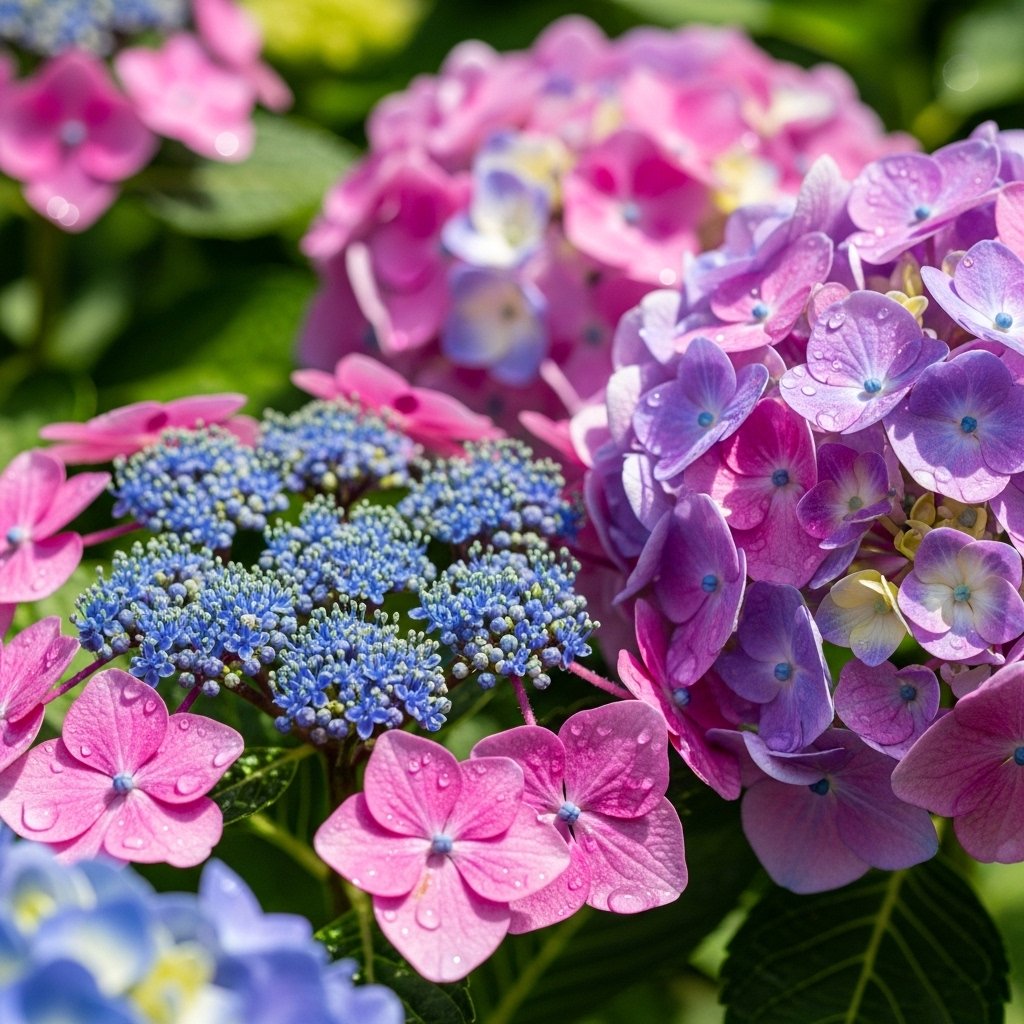
When hydrangeas refuse to bloom, it feels personal. Those big green shrubs promise dramatic flower heads and then…nothing. No mopheads, no panicles, just foliage. The good news is that hydrangeas are predictable once you know which type you’re growing and how it forms buds. Most flowering problems come down to five or six core issues: pruning at the wrong time, too much shade, water stress, excess nitrogen, winter damage, or simple immaturity.
This guide walks you through how to diagnose why your hydrangeas aren’t blooming and the exact steps to get them back to producing full, reliable flower clusters.
Step 1: Identify Your Hydrangea Type (Old Wood vs New Wood)
Before you change anything, you need to know which hydrangea you have, because different types form buds on different wood. That directly affects pruning and winter protection.
- Bloom on old wood (last year’s stems):
- Bigleaf / mophead and lacecap (Hydrangea macrophylla).
- Mountain (H. serrata).
- Oakleaf (H. quercifolia).
- Bloom mainly on new wood (this year’s growth):
- Panicle (H. paniculata).
- Smooth / arborescens (e.g., ‘Annabelle’, ‘Incrediball’).
If an old-wood type is cut back hard in late fall, winter, or early spring, you literally remove the flower buds formed the previous year. That’s the single most common cause of non-blooming hydrangeas.
Reason 1: Improper Pruning (Cutting Off Flower Buds)
For old-wood hydrangeas, timing is everything.
What Goes Wrong
- Pruning in late fall, winter, or early spring on bigleaf, mountain, or oakleaf types removes the buds that would have produced this year’s flowers.
- Cutting shrubs “back to the ground” every year, or heavy shearing, wipes out the flowering wood entirely.
How to Fix It
- Old-wood types: Only prune right after flowering, and then only lightly—remove spent blooms and a few of the oldest stems at the base to shape. Avoid cutting into green stems that haven’t yet bloomed.
- New-wood types (panicle, smooth): These can be pruned more heavily in late winter or early spring, because they flower on current season growth. You can cut them back by one-third to one-half to control size.
If you suspect pruning is the issue, the solution this year is patience: stop pruning, let the plant grow, and adjust your pruning schedule for next season.
Reason 2: Not Enough Light (Or Too Much)
Hydrangeas need a balance: too much shade and they won’t bloom; too much intense sun and they stress and underperform.
Light Requirements
- Bigleaf and mountain hydrangeas: bright partial shade—ideally morning sun with afternoon shade.
- Oakleaf hydrangeas: tolerate more sun, especially in cooler climates, but appreciate afternoon shade in hot regions.
- Panicle and smooth hydrangeas: can handle full sun in many climates, but still need adequate moisture.
Hydrangeas kept in deep, dappled shade under dense trees often produce lush leaves but few or no flower buds.
Fix
- Aim for at least 3–4 hours of direct or strong filtered light daily, more for panicle and smooth types.
- If a shrub has grown into heavy shade over the years, consider transplanting it to a brighter spot or thinning overhanging trees.
- In very hot climates, avoid harsh afternoon sun for bigleaf types; give morning sun and afternoon shade to prevent stress.
Once light is improved, buds initiated this year should translate into blooms next season.
Reason 3: Water Stress (Too Little or Too Much)
Hydrangeas are thirsty shrubs—their name literally refers to water—yet they also dislike soggy, poorly drained soil. Water stress in either direction impacts blooming.
Too Little Water
- Drought in the current season can cause buds to abort or never form.
- Drought in the previous growing season can reduce flowering the following year, because buds for next year form late summer.
Too Much Water
- Waterlogged soils suffocate roots, causing decline and fewer blooms.
Fix
- Provide about 2.5–5 cm (1–2 inches) of water per week, including rainfall, more during heat waves.
- Water deeply at the base rather than frequent shallow sprinkling; use soaker hoses or drip for consistency.
- Mulch 5–7 cm (2–3 inches) around the root zone to conserve moisture and buffer soil temperature, but keep mulch off the stems.
- Improve drainage with organic matter in heavy clay; avoid planting hydrangeas in spots that stay saturated.
A well‑watered but not waterlogged hydrangea is far more likely to set and hold flower buds.
Reason 4: Excess Nitrogen and Poor Fertilizer Balance
Too much nitrogen pushes leafy growth at the expense of buds.
Signs:
- Very lush, deep green foliage.
- Vigorous growth but few or no flower clusters.
- Hydrangea planted near a heavily fertilized lawn.
Fix
- Stop using high‑nitrogen fertilizers and avoid lawn fertilizer runoff reaching the hydrangea’s root zone.
- Switch to a balanced or bloom‑boosting fertilizer with relatively higher phosphorus (middle number on the N‑P‑K label), applied sparingly in spring.
- Don’t overdo it—hydrangeas often perform well with just compost and light feeding.
Over a season or two, as nitrogen levels even out and plants aren’t “pumped” with foliage growth, blooming usually increases.
Reason 5: Winter or Late Frost Damage to Buds
In cold climates, late spring frosts or harsh winter conditions can kill flower buds on old‑wood hydrangeas, leaving you with lots of leaves but no blooms.
How It Happens
- Bigleaf and oakleaf hydrangeas set flower buds on stems formed the previous season; those buds sit through winter.
- A sudden cold snap after buds have swelled, or unprotected shrubs in very exposed locations, can kill those buds while stems and leaves survive.
Fix & Prevention
- In late fall, mulch the root area and consider wrapping or shielding plants with burlap or frost cloth, especially in colder zones or exposed spots.
- Avoid pruning in fall or early spring, which removes any partially damaged but still viable buds.
- Plant bigleaf hydrangeas in sites protected from cold winds—near walls or fences, or where snow cover offers some insulation.
If winter damage was severe, blooms may be sparse for a season, but new growth should set buds for the following year if protected.
Reason 6: The Plant Is Still Too Young (Or Recently Moved)
Young hydrangeas, especially those from small pots or recently transplanted, often need a couple of growing seasons to establish before blooming heavily.
- A brand‑new plant may produce few or no flowers the first year while it focuses on root growth.
- Recently moved shrubs may experience transplant shock and skip blooming while they adjust.
Fix: give them time. With good watering, proper light, and no pruning mistakes, a healthy plant usually begins blooming reliably from year two or three onward.
Reason 7: Soil pH and Nutrient Issues
Soil pH doesn’t determine whether hydrangeas bloom, but it does affect overall nutrient availability and, with H. macrophylla, flower color. Poor soil conditions can stress plants enough to reduce flowering.
- Hydrangeas generally prefer slightly acidic to neutral soil (around pH 5.5–6.5).
- Extreme pH can lock up nutrients and cause chlorosis (yellow leaves with green veins), weakening the plant and indirectly affecting bloom.
Fix:
- Test soil pH and adjust gradually if needed—sulfur to lower pH, lime to raise, following label directions.
- Improve soil with compost or organic matter for better structure, drainage, and nutrient profile.
- Use a balanced, slow‑release fertilizer once or twice a year, avoiding over‑application.
Reason 8: Pests, Diseases, and General Stress
Severe pest or disease pressure can weaken hydrangeas enough that they don’t have the energy to bloom.
- Pests: aphids, spider mites, scale can sap vigor.
- Diseases: powdery mildew, leaf spot, root rot can all stress plants.
Fix:
- Identify the issue and treat with appropriate methods (sanitation, pruning, improved airflow, targeted fungicides or insecticidal soap where needed).
- Strengthen basic care—proper watering, light, spacing, and soil health—so plants are more resilient.
Quick Diagnosis Checklist
Use this as a rapid triage tool:
- Blooms stopped after a heavy spring pruning?
Likely pruning off old wood buds. - Big, leafy plant in deep shade?
Not enough light; move or open canopy. - Lots of leaves, no flowers near a fertilized lawn?
Excess nitrogen; change fertilizer strategy. - Good leaves but no blooms after harsh winter?
Buds killed by frost; add winter protection. - Small, recently planted shrub?
Too young or transplant shock; give it another season.
FAQ Section
1. Why did my hydrangeas bloom last year but not this year?
Most often, old‑wood hydrangeas were pruned at the wrong time or their buds were damaged by winter cold or late frost; adjust pruning to immediately after flowering and protect buds in winter for the next season.
2. Should I cut my hydrangea back to the ground to make it bloom more?
Generally no; cutting old‑wood types to the ground removes all flower buds and guarantees no blooms that year. Only smooth and panicle hydrangeas tolerate hard spring pruning and still bloom.
3. How much sun do hydrangeas need to flower?
Most hydrangeas bloom best with 3–6 hours of sun daily—often morning sun and afternoon shade—though panicle and smooth types can tolerate more direct sun with adequate moisture.
4. Can too much fertilizer stop hydrangeas from blooming?
Yes; high‑nitrogen fertilizers promote lush foliage at the expense of flowers. Use balanced or bloom‑oriented fertilizers sparingly and avoid lawn fertilizer near shrubs.
5. How long until a newly planted hydrangea blooms reliably?
Many hydrangeas need 1–3 years to establish before consistently blooming; if light, water, and pruning are correct, flowering typically improves significantly from the second or third year onward