
6 Ways to Control Tomato Hornworms
6 Ways to Control Tomato Hornworms
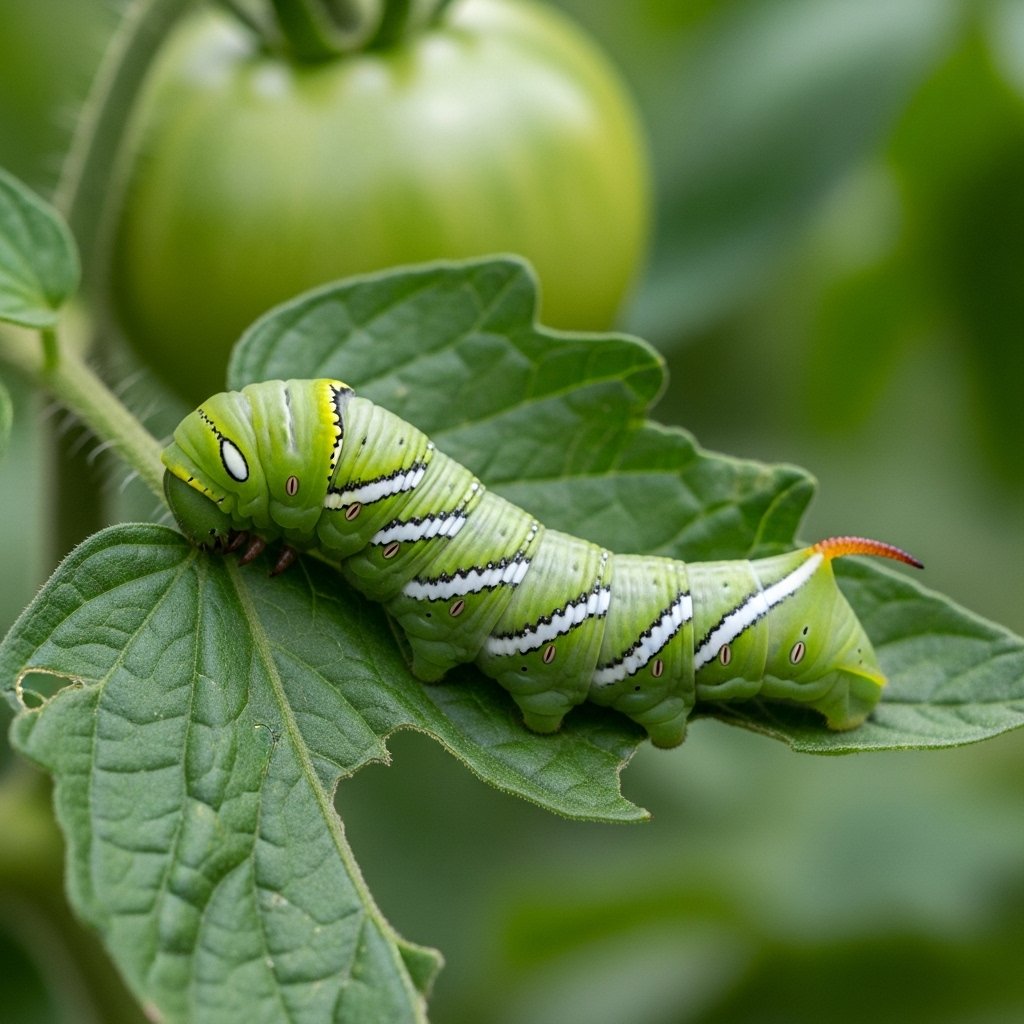
One morning your tomato plants look lush and full, and by evening they’re stripped down to green skeletons. When the leaves vanish that quickly, tomato hornworms are almost always to blame. These large, perfectly camouflaged caterpillars can consume entire stems, flowers, and even green fruit in just a few days if you don’t catch them early. The good news: they’re easy to control once you know how to identify them, where to look, and when to step in with hand‑picking, beneficial insects, or targeted sprays.
This guide will walk you through how to identify tomato hornworms, understand their life cycle, choose effective control strategies, and prevent them from coming back—while still protecting beneficial insects and the overall health of your garden.
What Are Tomato Hornworms?
Tomato hornworms are the larval (caterpillar) stage of the five‑spotted hawkmoth, Manduca quinquemaculata. Despite the name, they don’t just attack tomatoes; they also feed on peppers, eggplant, potatoes, and other plants in the nightshade (Solanaceae) family.
Hornworms are among the largest caterpillars in the vegetable garden, reaching up to 7–10 cm (about 3–4 inches) long, with a stout green body and a distinctive horn‑like spike at the tail end. Don’t let the horn fool you—it looks intimidating but it doesn’t sting or bite.
There are actually two very similar species that gardeners encounter:
- Tomato hornworm (Manduca quinquemaculata): eight white V‑shaped (chevron) markings along the sides, pointing toward the head, and a dark blue or black horn.
- Tobacco hornworm (Manduca sexta): seven diagonal white stripes with black edges and a red or orange horn.
Both species cause nearly identical damage and are controlled the same way.
How to Identify Tomato Hornworms (Fast and Reliably)
Key Caterpillar Features
Look for these details when you inspect your plants:
- Bright green, thick caterpillars with five pairs of prolegs (fleshy back “legs”).
- Eight white V‑shaped marks on each side for tomato hornworm; seven diagonal stripes for tobacco hornworm.
- A prominent horn at the rear—black or dark blue for tomato hornworm, red for tobacco hornworm.
They blend in remarkably well with tomato foliage, so you may notice damage or droppings before you spot the insect itself.
Damage Clues
Hornworms chew large, irregular holes in leaves and can defoliate entire stems, usually starting near the top of the plant. You might see:
- Bare stems where foliage used to be.
- Chewed edges and missing chunks from green tomatoes.
- Large, dark green or black droppings (frass) on leaves and soil below, which are often the easiest clue to follow.
If your lush tomato plants suddenly look like sticks, hornworms are prime suspects.
Eggs and Moths
Adult hawkmoths resemble small hummingbirds, with narrow wings and a wingspan up to 12–13 cm (around 5 inches). They lay single, spherical greenish eggs on the upper or underside of leaves in late spring and early summer. Eggs hatch in about 6–8 days, and larvae feed for 3–4 weeks before burrowing into the soil to pupate.
Life Cycle: Why Timing Matters for Control
Understanding the hornworm life cycle helps you target the most vulnerable stage.
- Egg: tiny, greenish, laid singly on leaves in late spring or early summer.
- Larva (hornworm): active for 3–4 weeks, passing through multiple growth stages and causing the most damage during the largest stages.
- Pupa: larvae drop to the soil and pupate in the ground; they can overwinter as pupae.
- Adult moth: emerges in late spring/early summer, mates, and lays eggs for the next generation.
In many regions, peak hornworm feeding on tomatoes occurs from late July through August, but this can vary with climate. Scout regularly during this window; catching larvae when they’re small makes control easier and prevents severe defoliation.
How to Control Tomato Hornworms (Step by Step)
1. Hand‑Picking: Simple and Highly Effective
For home gardens, hand‑picking is still the most reliable, chemical‑free control method.
- Inspect plants in early morning or evening when hornworms are more likely to be feeding openly.
- Follow the trail of chewed leaves and large droppings to locate camouflaged larvae.
- Wear gloves if you prefer, gently pull hornworms off by hand, and drop them into a container of soapy water to kill them.
Checking plants at least twice a week during peak season keeps populations low enough that serious damage rarely occurs.
2. Biological Control: Let Beneficial Insects Help
Hornworms have several natural enemies that can do much of the work for you if you avoid broad‑spectrum insecticides.
- Tiny parasitic wasps (such as Cotesia species) lay eggs in hornworm larvae; when the wasp larvae emerge, they form white, rice‑like cocoons on the caterpillar’s back.
- Parasitized hornworms stop feeding and eventually die, while new wasps emerge to attack more hornworms.
If you find a hornworm covered in white cocoons, leave it in place—this “living biocontrol factory” is helping protect the rest of your crop.
Other beneficials, such as predatory bugs, lacewings, and lady beetles, feed on eggs and small larvae. Using selective or minimal insecticides early in the season helps conserve these allies.
3. Bt (Bacillus thuringiensis) and Spinosad
When infestations are heavy or hand‑picking isn’t practical, targeted organic insecticides can help.
- Bt (Bacillus thuringiensis var. kurstaki): a bacteria‑based product that affects caterpillars when they feed on treated foliage. It is highly selective and safe for humans, pets, and most beneficial insects.
- Spinosad: derived from soil bacteria, effective against a wider range of chewing insects including hornworms; considered suitable for organic gardening when used according to label directions.
Apply in the evening to minimize impacts on pollinators, and ensure thorough coverage of leaf surfaces where hornworms feed. Bt works especially well on smaller larvae, while spinosad can handle larger worms if hand‑picking isn’t feasible.
4. Conventional Insecticides (As a Last Resort)
If damage is severe and other measures fail, conventional insecticides labeled for hornworm control in tomatoes—such as certain pyrethroids or other selective actives—can be used. Always:
- Follow label instructions for crop, dosage, and pre‑harvest intervals.
- Choose the least disruptive product to conserve beneficial insects.
For most home gardens, though, diligent scouting, hand‑picking, and Bt/spinosad are more than enough.
How to Prevent Tomato Hornworm Problems
1. Regular Scouting and Early Detection
Prevention starts with paying attention.
- Begin scouting in early summer before damage becomes severe.
- Search for chewed leaves, missing foliage, and large droppings, especially near plant tops.
- For a fun trick, use a UV flashlight at night: hornworm larvae fluoresce and stand out against foliage.
Catching hornworms when they’re small prevents the dramatic overnight defoliation many gardeners associate with this pest.
2. Cultural Practices in the Soil
Because hornworms pupate in the soil, simple cultivation practices can reduce populations the following year.
- Till or turn the soil after harvest to expose pupae to predators and weather.
- Rotate crops; avoid planting tomatoes and other solanaceous crops in the same spot every year.
- Keep the garden free of volunteer tomatoes and nightshade weeds that can harbor hornworms.
This makes your beds less hospitable to emerging adults looking for places to lay eggs.
3. Companion Planting and Habitat Management
Some gardeners use companion plants to attract beneficial insects that prey on hornworm eggs and larvae.
- Planting dill, alyssum, marigolds, or flowering herbs near tomatoes can provide nectar and shelter for parasitic wasps and predators.
- Maintaining a diverse planting and avoiding blanket insecticide sprays supports a stable population of natural enemies.
While companion planting alone won’t stop hornworms, it can reduce the intensity of outbreaks and help beneficials keep them in check.
4. Physical Barriers and Row Covers
In small gardens, you can use lightweight row covers over young tomato plants early in the season to block moths from laying eggs. Remove covers when plants begin flowering to allow pollination and access for beneficial insects.
Tomato Hornworms vs Other Problems: Quick Comparison
| Problem | Key Signs | On Plants |
|---|---|---|
| Tomato hornworm | Large green caterpillar, horn on tail, V‑marks or stripes; big droppings | Defoliated stems, chewed green fruit |
| Cutworms | Caterpillars hiding at soil line, no horn | Seedlings cut off at base |
| Slugs/snails | Slimy trails, irregular holes, feeding at night | Holes in leaves, less complete defoliation |
| Nutrient deficiency | Yellowing leaves, no large chew marks | General pale plants, intact leaf edges |
Use this table as a quick diagnostic when damage appears suddenly.
FAQ Section
1. Are tomato hornworms dangerous to humans or pets?
No; they look intimidating but they do not sting or bite and are safe to handle with bare hands, though many gardeners prefer gloves.
2. Should I kill hornworms with white cocoons on their backs?
No; those cocoons are parasitic wasp pupae. The hornworm has already stopped feeding and will soon die, while the emerging wasps will help control future hornworms.
3. How often should I check my tomato plants for hornworms?
During mid‑summer, inspect plants at least once or twice a week, focusing on upper foliage, fresh chew marks, and droppings so you can remove larvae before they cause severe defoliation.
4. What is the best organic spray for tomato hornworms?
Bt (Bacillus thuringiensis var. kurstaki) and spinosad are widely recommended organic options; both are effective on hornworms when applied according to label directions, especially against smaller larvae.
5. Will hornworms come back every year?
They can, because larvae pupate in the soil and adults emerge the following season; crop rotation, fall tilling, conserving beneficial insects, and regular scouting all help reduce year‑to‑year pressure.