
Kennel Cough in Dogs: Symptoms, Causes, and Treatment
Kennel Cough in Dogs: Symptoms, Causes, and Treatment
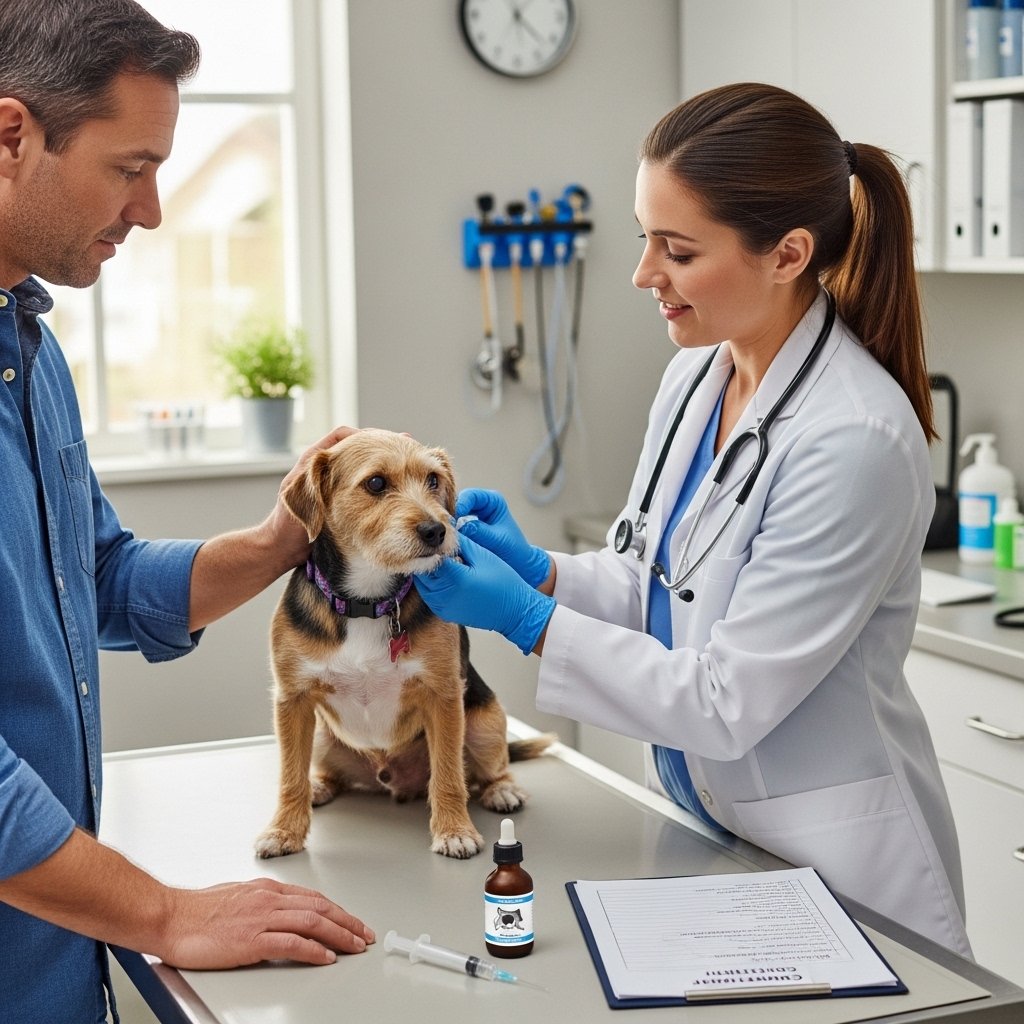
Kennel cough can sound scary, but with good information and careful home care, many dogs recover smoothly and comfortably.
What Is Kennel Cough, Really?
Kennel cough (canine infectious tracheobronchitis) is an upper respiratory infection that affects the trachea (windpipe) and bronchi (large airways). Think of it as the “dog equivalent” of a very bad, contagious chest cold.
It is usually caused by a mix of pathogens, most commonly:
- Bacteria: especially Bordetella bronchiseptica
- Viruses: such as canine parainfluenza, canine adenovirus type 2, and others
Because multiple germs are involved, dogs can sometimes get kennel cough even if they’re vaccinated, though vaccinated dogs usually get milder illness.
How Dogs Catch Kennel Cough
Kennel cough spreads primarily via:
- Aerosol droplets: when infected dogs cough, bark, or sneeze
- Direct contact: nose‑to‑nose greeting, shared water bowls, toys
- Contaminated surfaces: bedding, bowls, grooming equipment, etc.
Risk is highest in places where dogs mingle:
- Boarding kennels and daycare
- Dog parks and playgroups
- Groomers and training classes
- Shelters and rescues
After exposure, symptoms typically appear 3–10 days later.
Common Symptoms
The hallmark sign is a loud, harsh, dry cough that often sounds like:
- A “honking” goose
- A hacking cough that ends in a gag or retch
- Like your dog is trying to clear something stuck in their throat
Other possible signs:
- Mild nasal discharge or watery eyes
- Occasional sneezing
- Mild fever
- Slightly lower energy or appetite
Most otherwise healthy dogs remain bright, alert, and eating. That’s the key difference from more serious infections like pneumonia.
When Home Remedies Are (and Aren’t) Appropriate
Home care and natural remedies are appropriate only if:
- Your dog is bright, alert, and eating/drinking normally
- Breathing is comfortable (no open‑mouth breathing, no blue/pale gums)
- Cough is frequent but not relentlessly worsening
- There is no history of heart disease, lung disease, or major immune problems
You should see a vet promptly (and not rely on home remedies alone) if:
- Your dog is a young puppy, senior, or has a chronic illness
- Your dog seems listless, refuses food, or won’t drink
- The cough sounds wet, is accompanied by rapid or labored breathing, or you notice blue or pale gums
- There is thick, yellow/green nasal discharge, high fever, or obvious chest pain
- The cough has not improved at all after 7–10 days, or worsens at any time
Home remedies are meant to support recovery in mild cases, not to replace medical care when it’s needed.
In‑Depth Natural Home Remedies for Kennel Cough
Below are gentle, supportive options. Always introduce new remedies gradually and stop anything that seems to upset your dog.
1. Honey: Natural Throat Soother
Why it helps:
Honey coats the throat, helping to reduce irritation and coughing fits. It also has mild antibacterial and antioxidant properties.
How to use:
- Small dogs: about ½ teaspoon per dose
- Medium/large dogs: about 1 teaspoon per dose
- Frequency: up to 3 times daily
Ways to give it:
- Straight from the spoon
- Mixed into a little warm water (creates a soothing “tea”)
- Drizzled over regular food or a favorite treat
Precautions:
- Do not give honey to diabetic dogs unless your vet approves (it’s sugar‑dense).
- Use plain, raw honey (Manuka or other raw types), not honey with added flavors, xylitol, or artificial sweeteners.
- Avoid in very young puppies without veterinary guidance.
2. Steam Therapy: Moist Air for Irritated Airways
Why it helps:
Warm, moist air:
- Thins mucus
- Soothes irritated tracheal lining
- Makes coughs more productive and less harsh
How to use:
- Run a hot shower in the bathroom to generate steam.
- Bring your dog into the bathroom (not into the shower) and close the door.
- Let them breathe the steam for 10–15 minutes.
- Repeat 2–3 times a day as needed.
Tips and safety:
- Stay with your dog to ensure they don’t overheat or become anxious.
- Provide a comfortable spot (towel, mat) away from direct hot water.
- If your dog starts panting heavily or seems uncomfortable, end the session.
If you live in a dry climate or are using indoor heating, this can make a big difference.
3. Coconut Oil: Gentle Immune Support
Why it helps:
Coconut oil contains medium‑chain fatty acids (like lauric acid) that may offer mild antimicrobial and anti‑inflammatory effects, and can support skin and coat health as a bonus.
How to use:
- Start with about ¼ teaspoon per 10 lbs (4.5 kg) of body weight
- Mix into food once daily for a few days
- If well‑tolerated, you can increase to twice daily if desired
Precautions:
- Introduce slowly; too much too quickly can cause loose stools or diarrhea.
- Coconut oil is calorie‑dense; use with caution in overweight or pancreatitis‑prone dogs.
- Stop if you see digestive upset and discuss with your vet.
4. Probiotics: Supporting the Immune System Through the Gut
Why they help:
A large portion of the immune system is associated with the gut. A healthy microbiome can:
- Support overall immune response
- Help the body manage infections more efficiently
- Improve digestive resilience during illness or when appetite is slightly off
How to use:
- Choose a dog‑specific probiotic supplement (powder, capsule, or chew).
- Follow the manufacturer’s dosing guidelines for your dog’s weight.
- Alternatively, if your dog tolerates dairy, you can offer a small amount of plain, unsweetened yogurt—but probiotics designed for dogs are more reliable.
Precautions:
- Avoid flavored yogurts, sweeteners, and especially xylitol, which is toxic to dogs.
- If your dog develops gas, diarrhea, or discomfort, stop and consult your vet.
5. Echinacea: Herbal Immune Booster (Vet‑Guided Only)
Why it’s used:
Echinacea is traditionally used to support immune function and may help the body fight respiratory infections. For some dogs, it can be a supportive adjunct.
How to use:
- Only under veterinary guidance, as dosing depends on:
- Your dog’s weight
- The specific preparation (tincture, capsule, etc.)
- Other medications or conditions
Herbs can interact with other drugs and aren’t right for every dog, so this is not a “do‑it‑yourself” remedy.
6. Warm, Nutritious Liquids: Comfort and Hydration
Why they help:
Illness can reduce appetite and cause mild dehydration. Warm, palatable liquids:
- Encourage drinking
- Soothe the throat
- Provide small amounts of calories and electrolytes
How to use:
- Offer low‑sodium chicken or bone broth (homemade or dog‑safe commercial).
- Ensure no onion, garlic, chives, or heavy seasoning, as these can be toxic or irritating.
- Serve lukewarm, not hot.
- You can also pour some broth over dry food to soften it and increase aroma.
If your dog refuses broth, you can try adding a little to water in a gradual way so they get used to the taste.
7. Rest and Quiet: Let the Body Heal
Why it matters:
Coughing inflames the airway. Excess activity, excitement, or cold air can trigger more coughing and slow recovery.
How to help:
- Provide a warm, draft‑free resting area away from noisy or high‑traffic parts of the home.
- Limit rough play, intense exercise, and running while the cough is active.
- Avoid cold, dry air; if it’s chilly, brief bathroom‑break walks on a leash are better than long, energetic outings.
- Keep stress low—some dogs benefit from a predictable routine, gentle petting, and quiet companionship.
Sleep and downtime are not “doing nothing”; they are allowing your dog’s immune system to work.
Essential Supportive Care: Small Changes That Help a Lot
In addition to specific remedies, day‑to‑day care choices can make your dog much more comfortable.
Keep Your Dog Well Hydrated
- Always have fresh water available.
- Encourage drinking by offering multiple bowls in different locations.
- You can add a splash of broth or a bit of warm water to make it more appealing.
- If your dog isn’t drinking at all, that is not a home‑care situation—call your vet.
Use a Humidifier
- A cool‑mist humidifier in the room where your dog rests can keep air moist.
- Clean the device regularly to prevent mold or bacterial buildup.
- This is especially helpful in winter or in air‑conditioned environments.
Avoid Airway Irritants
- Keep your dog away from cigarette smoke, vape aerosols, fireplace smoke, and strong chemical cleaners.
- Avoid spraying perfumes, air fresheners, or aerosols around them.
- Vacuum and dust regularly to reduce airborne irritants.
Switch From Collar to Harness
- A standard neck collar can put pressure on the trachea, triggering or worsening the cough.
- Use a front‑clip or chest harness for walks instead, at least until your dog has fully recovered.
- If your dog pulls strongly on leash, consider gentle leash training or a no‑pull harness so they’re not straining their airways.
Limit Contact With Other Dogs
Because kennel cough is contagious:
- Avoid dog parks, daycare, group training classes, and grooming appointments until your vet says it’s safe.
- If you have multiple dogs at home, try to limit close contact (shared bowls, toys) where possible, though complete separation may be difficult.
- Wash bedding, blankets, and washable toys in hot water, and clean bowls daily.
Over‑the‑Counter Products: How Cautious Should You Be?
There are many “kennel cough chews,” herbal blends, and syrups marketed to dog owners. Some may:
- Combine honey, herbs, and soothing agents
- Include anti‑inflammatory ingredients like turmeric
- Offer low‑dose cough relief in chew form
Before using any such product:
- Check that it is specifically formulated for dogs.
- Review the ingredient list to ensure there’s no xylitol, human medications, or unsafe herbs.
- Follow weight‑based dosing instructions closely.
- When in doubt, ask your vet before starting anything new.
Never give human cough medicine (like dextromethorphan, guaifenesin combinations, or codeine products) unless a veterinarian explicitly instructs you to—doses and additives can be unsafe for dogs.
When to Call the Vet (Or Go to Emergency Care)
Even if you start with home care, you need to be ready to escalate if your dog’s condition changes.
Call Your Regular Vet If:
- The cough is still present or worsening after 7–10 days
- Your dog’s appetite is sliding, even if they’re still eating a bit
- You notice thicker nasal discharge, especially if yellow or green
- Your dog seems more tired than usual or doesn’t want to play at all
Your vet may:
- Confirm the diagnosis
- Prescribe antibiotics if a bacterial component or secondary infection is suspected
- Provide cough suppressants for nighttime comfort
- Recommend anti‑inflammatories or other supportive meds when appropriate
Seek Urgent or Emergency Care If:
- Your dog is struggling to breathe (open‑mouth breathing at rest, flared nostrils, abdominal effort)
- Gums or tongue appear blue, gray, or very pale
- There is persistent high fever, shaking, or obvious pain
- Your dog is not drinking and seems weak or wobbly
- A puppy, senior, or chronically ill dog suddenly worsens
These can be signs of pneumonia, severe tracheal involvement, or another serious condition that needs immediate veterinary treatment.
Can Kennel Cough Be Prevented?
You can’t eliminate risk completely, but you can lower it:
Vaccination
- The Bordetella vaccine (sometimes combined with parainfluenza and adenovirus components) reduces the risk and severity of kennel cough.
- It may be given intranasally, orally, or by injection, depending on your vet’s protocol.
- Boosters are often recommended before boarding, daycare, or frequent dog‑social activities; timing and frequency depend on local risk and facility requirements.
Hygiene and Environment
- Clean and disinfect food and water bowls, crates, and common rest areas regularly.
- Wash bedding frequently, especially after illness.
- Choose reputable boarding or daycare facilities that require vaccines and have good ventilation and cleaning protocols.
Exposure Management
- Avoid taking your dog to busy dog parks or events when there’s a known outbreak in your area.
- Keep your dog away from obviously sick dogs (coughing, nasal discharge).
- Introduce new dogs—especially rescues or shelter dogs—with awareness that they might be incubating illness.
FAQs
Is kennel cough contagious to humans?
No, kennel cough doesn’t spread to people; it’s dog-specific.
How long does kennel cough last in dogs?
Typically, 1-3 weeks with rest; severe cases up to 6 weeks.
Can kennel cough lead to pneumonia?
Yes, untreated cases can progress to pneumonia, especially in puppies.
Is there a home remedy for kennel cough?
Honey soothes coughs; use 1/2 tsp for small dogs, but consult your veterinarian first.
Does the kennel cough vaccine prevent all cases?
It reduces severity but doesn’t fully prevent infection.