
What to Feed a Dog with Diarrhea
What to Feed a Dog with Diarrhea
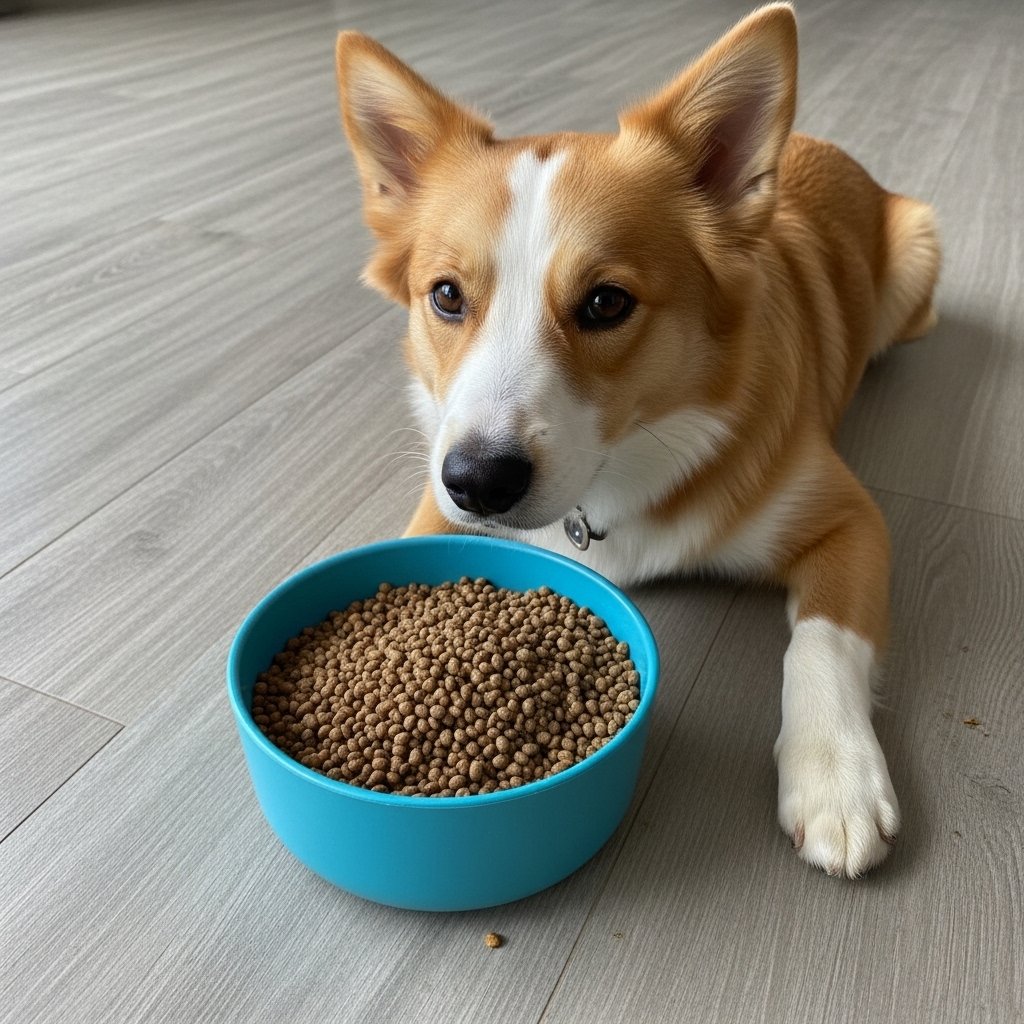
If your dog suddenly gets diarrhea, it can throw off both their routine and yours. Feeding a bland diet can calm their stomach, help firm up their stools, and support a quicker recovery, while you monitor for any serious problems.
Understanding Dog Diarrhea Causes
Dogs often get diarrhea from eating things they shouldn’t, sudden changes in food, or stress from traveling. Infections with bacteria, viruses, or parasites such as Giardia can also cause loose stools, as can allergies to certain food ingredients.
More serious causes include pancreatitis, inflammatory bowel disease, or swallowing something toxic. If diarrhea lasts less than 48 hours, it’s usually considered acute and often gets better with fasting and bland meals. If it persists for weeks, it’s chronic, and your veterinarian may need to run tests, such as stool samples or bloodwork.
Puppies, older dogs, and small breeds dehydrate more quickly, so monitor for lethargy or blood in the stool.
Initial Steps Before Feeding
Don’t feed your dog for 12 to 24 hours to give their stomach a break, but always make sure they have plenty of fresh water. If your dog drinks too quickly, try adding ice cubes to slow them down and help prevent vomiting.
For puppies or small dogs, keep the fasting period shorter—about 6 to 12 hours—and consult your veterinarian before starting. After fasting, offer small amounts of bland food every 4 to 6 hours to assess tolerance. Rate with unflavored Pedialyte diluted 50/50 with water, or vet-prescribed electrolyte solutions. Skip human sports drinks loaded with sugars.
Top Bland Diet Recipes to Feed
Prepare simple, home-cooked meals using basic cooking principles: boil proteins simply and pair them with digestible carbs. These vet-favored combos bind stool without overwhelming the gut.
Boiled Chicken and White Rice
Boil skinless, boneless chicken breasts until cooked through, then shred finely—no skin, fat, or seasoning. Mix 1 part shredded chicken with 2-3 parts plain boiled white rice (avoid brown rice, which has a tough fiber).
Begin by giving 1 to 2 tablespoons of the mixture per 10 pounds of your dog’s body weight at each meal. Offer 4 to 6 small meals a day. This combination provides gentle protein and starch to help absorb excess water in the gut.
Boiled Ground Turkey and Rice
If your dog can’t have chicken, use lean ground turkey instead. Cook the turkey, drain off all the fat, and mix it with white rice in a 1:2 ratio.
Turkey is a lean protein like chicken, but it is less likely to cause allergies. Let the food cool down completely before serving so your dog doesn’t get burned.
Boiled Lean Ground Beef and Rice
Select 90% lean ground beef, boil or simmer to drain off excess grease, and blend with white rice. Limit to dogs without beef allergies; it’s richer but effective for picky eaters.
For a 20-pound dog, feed about a quarter cup of the mixture per meal.
Helpful Add-Ins for Gut Support
Plain canned pumpkin (not pie filling) adds soluble fiber to bulk stools—1-2 teaspoons per 10 pounds, mixed into bland meals.
Cooked, peeled, and mashed sweet potatoes can be used in place of rice and provide natural pectin to support digestion. Plain rolled oats (not instant) also provide beta-glucans, which can help reduce inflammation.
Probiotic yogurts or supplements from your vet, like FortiFlora, add healthy bacteria to your dog’s gut. Sprinkle them on your dog’s food after the first day.
Feeding Schedule and Portions
On the first day after fasting, feed your dog small meals every 4 hours, using half their usual amount. On day two, increase their food intake to about 75% of their normal amount if their stools are firm. By days three to five, you may resume your regular diet.
As a general rule, feed your dog about 2 to 3 percent of their body weight each day, split into several meals. For example, a 50-pound dog would receive approximately 2 to 3 cups of bland food per day, divided throughout the day.
You may warm the food slightly to make it more appealing, but always serve it at room temperature. Keep a simple log in your kitchen to track how much your dog eats and what their stool looks like.
| Dog Weight | Meal Size (per feeding) | Daily Feedings |
| 5-10 lbs | 1-2 tbsp | 5-6 |
| 20-30 lbs | ¼ cup | 4-5 |
| 50+ lbs | ½-¾ cup | 3-4 |
Transitioning to Normal Diet
Over three to seven days, start by mixing 25% of your dog’s regular food with 75% bland food on the first day. Gradually increase the amount of regular food each day. Rapid dietary changes can cause diarrhea to recur.
If your dog keeps having stomach problems, try a sensitive-stomach kibble with fewer ingredients. Monitor for any vomiting or diarrhea returning. Prescription Diets and Supplements
Vets often recommend Hill’s i/d or Royal Canin Gastrointestinal for ongoing cases—these feature hydrolyzed proteins and prebiotics.
Low-sodium, plain bone broth helps keep your dog hydrated and can encourage them to eat. Slippery elm bark powder can naturally coat and soothe the gut lining. When to See a Vet Immediately
Take your dog to the veterinarian immediately if diarrhea lasts more than 48 hours, contains blood or appears black and tarry, or if your dog is also vomiting, has a fever, or seems weak.
If an unvaccinated puppy has foul-smelling, bloody stool, parvovirus could be the cause. Signs of dehydration include sticky gums, sunken eyes, or skin that stays up when pinched.
For ongoing diarrhea, your vet may need to perform tests such as stool analysis, ultrasound, or endoscopy to look for allergies, inflammatory bowel disease, or cancer.
Prevention Strategies for Healthy Digestion
Feed your dog a steady, high-quality diet and avoid giving them table scraps. When changing foods, do so gradually over seven days to prevent gastrointestinal problems.
Probiotics help keep your dog’s gut healthy, and you should deworm them every three months. Regular exercise, such as daily walks, helps digestion and can reduce stress-related diarrhea.
FAQs
Can dogs eat rice with diarrhea?
Yes, plain white rice absorbs water and helps firm stools.
Is pumpkin safe for dogs with diarrhea?
Yes, 1-2 tsp plain canned pumpkin per 10 lbs adds fiber safely.
How long to fast a dog with diarrhea?
Fast 12-24 hours for adults; 6-12 hours for puppies, with water access.
What if my dog won’t eat bland food?
Add low-sodium bone broth; consult vet if refusal persists for 24 hours.
When does dog diarrhea need antibiotics?
Rarely, only for bacterial infections confirmed by vet tests.