
Why Do Dogs Eat Poop? 10 Vet-Approved Reasons and How to Stop
Why Do Dogs Eat Poop? 10 Vet-Approved Reasons and How to Stop
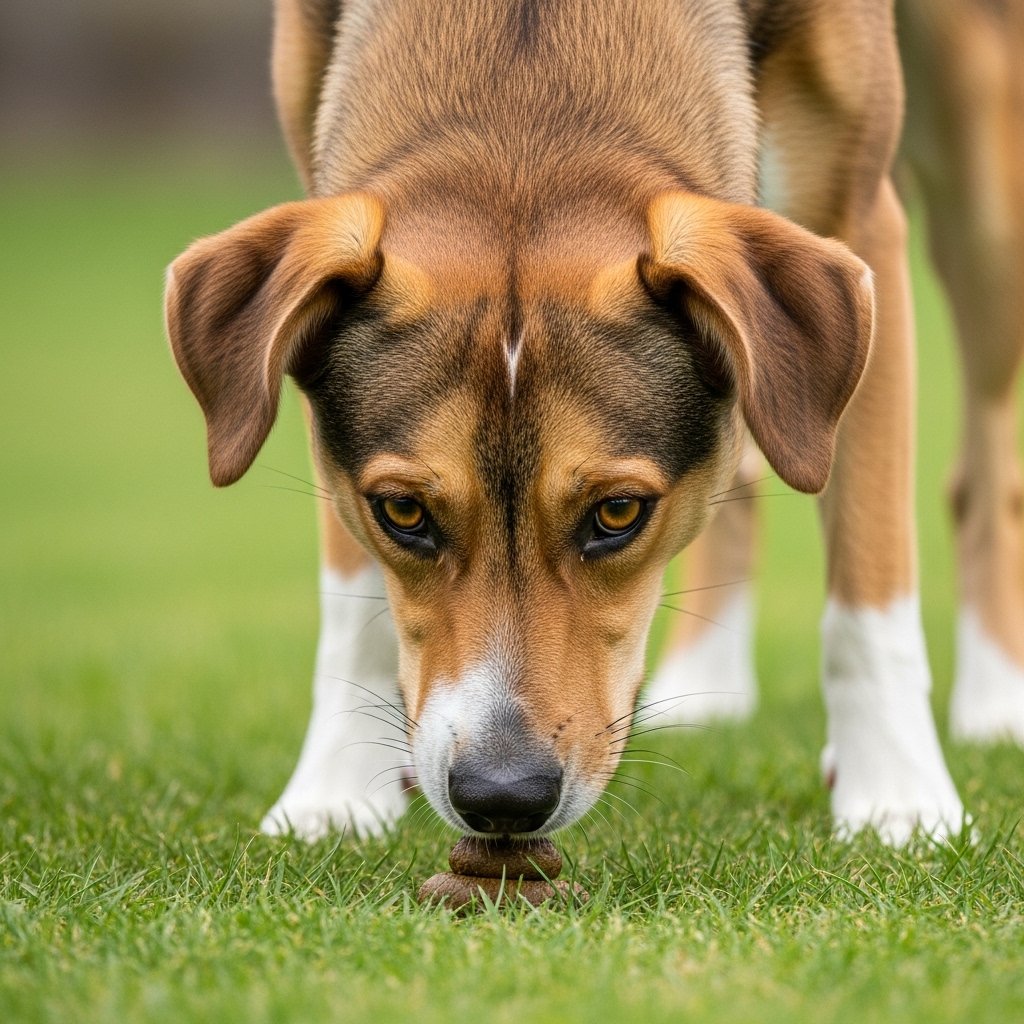
Few things confuse (and disgust) dog owners more than catching their dog eating poop. While it may seem shocking, this behavior—known as coprophagia—is actually quite common in dogs.
Before you panic, it’s important to know that poop-eating isn’t always a sign of illness. In many cases, it’s linked to natural instincts, learned behavior, or environmental factors. That said, it can sometimes indicate an underlying issue that needs attention.
Understanding why your dog is doing this is the key to stopping it effectively.
What Is Coprophagia?
Coprophagia is the act of consuming feces. In dogs, this may involve:
- Eating their own stool
- Eating other dogs’ stool
- Eating feces from other animals (especially cats)
Although unpleasant, this behavior has roots in canine evolution and survival instincts.
Is It Normal for Dogs to Eat Poop?
Surprisingly, yes—at least to some extent.
Studies and observations suggest:
- About 1 in 4 dogs will try eating poop at some point
- Around 1 in 6 dogs do it regularly
- Puppies are especially likely to exhibit this behavior
In the wild, dogs and their ancestors scavenged for food. Eating feces may have helped them:
- Reclaim undigested nutrients
- Keep their living area clean
- Avoid attracting predators
While domestic dogs no longer need these survival tactics, the instinct can still remain.
Common Reasons Dogs Eat Poop
There isn’t a single explanation for coprophagia. Instead, it usually stems from a mix of behavioral, environmental, and medical factors.
Behavioral Causes
Many cases are linked to learned or instinctive behaviors.
- Natural instinct: Dogs are scavengers by nature
- Puppy curiosity: Young dogs explore the world with their mouths
- Attention-seeking: Dogs may repeat behaviors that get a strong reaction
- Imitation: Dogs sometimes copy other dogs in the household
- Maternal behavior: Mother dogs clean up after puppies by eating their waste
In many puppies, this behavior fades with age and training.
Environmental Factors
A dog’s surroundings can strongly influence this habit.
- Dirty living spaces: Unclean yards or kennels increase exposure
- Confinement: Dogs kept in small or isolated areas may develop unusual habits
- Easy access to feces: Especially cat litter boxes
- Stress or anxiety: Changes in environment or routine can trigger compulsive behaviors
Dogs that are bored or under-stimulated are more likely to engage in poop-eating.
Dietary and Nutritional Causes
Sometimes, coprophagia is linked to diet.
- Poor-quality food: Lacking essential nutrients
- Vitamin deficiencies: Especially B vitamins
- Malabsorption issues: The body isn’t absorbing nutrients properly
- Undigested food in stool: Makes feces more appealing
If a dog feels nutritionally unsatisfied, they may seek alternative sources.
Medical Conditions
Certain health issues can increase appetite or interfere with digestion, leading to coprophagia.
These include:
- Diabetes
- Thyroid disorders
- Cushing’s disease
- Gastrointestinal diseases
- Parasite infections
If your dog suddenly starts eating poop, a medical cause should be considered.
Hunger and Feeding Patterns
Dogs that are:
- Underfed
- On strict or irregular feeding schedules
may turn to feces as an alternative food source.
Attraction to Cat Poop
Cat feces is particularly appealing to dogs because it often contains high levels of protein and smells like cat food.
This is one of the most common forms of coprophagia in multi-pet households.
Is Eating Poop Dangerous for Dogs?
While often more unpleasant than harmful, coprophagia can pose real health risks.
Potential Health Risks
- Parasites: Roundworms, hookworms, and other intestinal parasites
- Bacterial infections: Exposure to E. coli or Salmonella
- Toxins: From medications or harmful substances in another animal’s stool
- Digestive upset: Vomiting or diarrhea
- Bad breath (halitosis): A common side effect
Risks to Humans
Dogs that eat feces can potentially spread harmful bacteria or parasites to humans, especially through licking. This is particularly important in homes with children or immunocompromised individuals.
How to Stop Your Dog From Eating Poop
Breaking this habit requires consistency and a combination of strategies.
1. Clean Up Immediately
The most effective solution is prevention.
- Pick up stool right away in your yard
- Keep litter boxes clean and out of reach
- Monitor your dog during walks
No access = no opportunity.
2. Teach “Leave It” and “Drop It”
Training is essential.
- Use positive reinforcement
- Reward your dog for ignoring feces
- Practice commands regularly in different environments
3. Improve Diet Quality
Ensure your dog is getting complete and balanced nutrition.
- Choose high-quality dog food
- Consult your vet about supplements if needed
- Address any digestive or absorption issues
4. Adjust Feeding Routine
- Feed smaller meals more frequently
- Maintain a consistent schedule
- Avoid long gaps between meals
This helps reduce hunger-driven behavior.
5. Reduce Boredom and Stress
A mentally stimulated dog is less likely to develop bad habits.
- Provide interactive toys
- Increase exercise
- Spend more time engaging with your dog
6. Use Deterrents
Some products are designed to make stool taste unpleasant.
- Available as food additives or supplements
- May reduce interest in feces over time
Effectiveness varies between dogs.
7. Manage Cat Litter Access
- Place litter boxes in elevated or restricted areas
- Use covered boxes or baby gates
This is crucial in multi-pet homes.
8. Reinforce Positive Behavior
Reward your dog when they:
- Ignore feces
- Respond to commands
- Display good habits
Positive reinforcement is far more effective than punishment.
What Not to Do
Some common approaches can actually make things worse.
- Do not punish your dog: This may increase anxiety or cause secretive behavior
- Avoid ineffective home remedies: Adding substances like hot sauce or pineapple lacks scientific support
- Do not ignore persistent behavior: Especially if it appears suddenly
When to See a Veterinarian
Consult your vet if your dog’s poop-eating behavior:
- Starts suddenly
- Happens frequently or compulsively
- Is paired with weight loss, vomiting, or diarrhea
- Includes increased appetite or unusual behavior
Your veterinarian may recommend:
- Nutritional evaluation
- Stool tests for parasites
- Blood tests to check for underlying conditions
Final Thoughts
Coprophagia may be unpleasant, but it’s not unusual in dogs. In many cases, it’s driven by instinct, curiosity, or environmental factors rather than illness.
The good news is that with proper management—cleaning, training, diet, and enrichment—you can significantly reduce or eliminate this behavior.
If the habit is persistent or accompanied by other symptoms, don’t ignore it. Identifying and addressing the root cause is the most effective way to keep your dog healthy and your home a little more hygienic.
Frequently Asked Questions
Is poop-eating normal in dogs?
This is common in 16-24% of dogs and is often due to instincts or diet.
Why do puppies eat poop?
Puppies learn this from their mothers for den hygiene, but it usually fades with training.
How do I stop my dog from eating poop?
Scoop poop promptly, use deterrents, train the ‘leave it’ command, and increase exercise.
Is coprophagia dangerous?
There are risks from parasites and toxins, so a vet check is essential.
What deficiencies cause poop-eating?
A lack of B vitamins, enzymes, or problems with absorption can cause dogs to look for extra nutrients.