
Cat Constipation: Symptoms and Causes
Cat Constipation: Symptoms and Causes
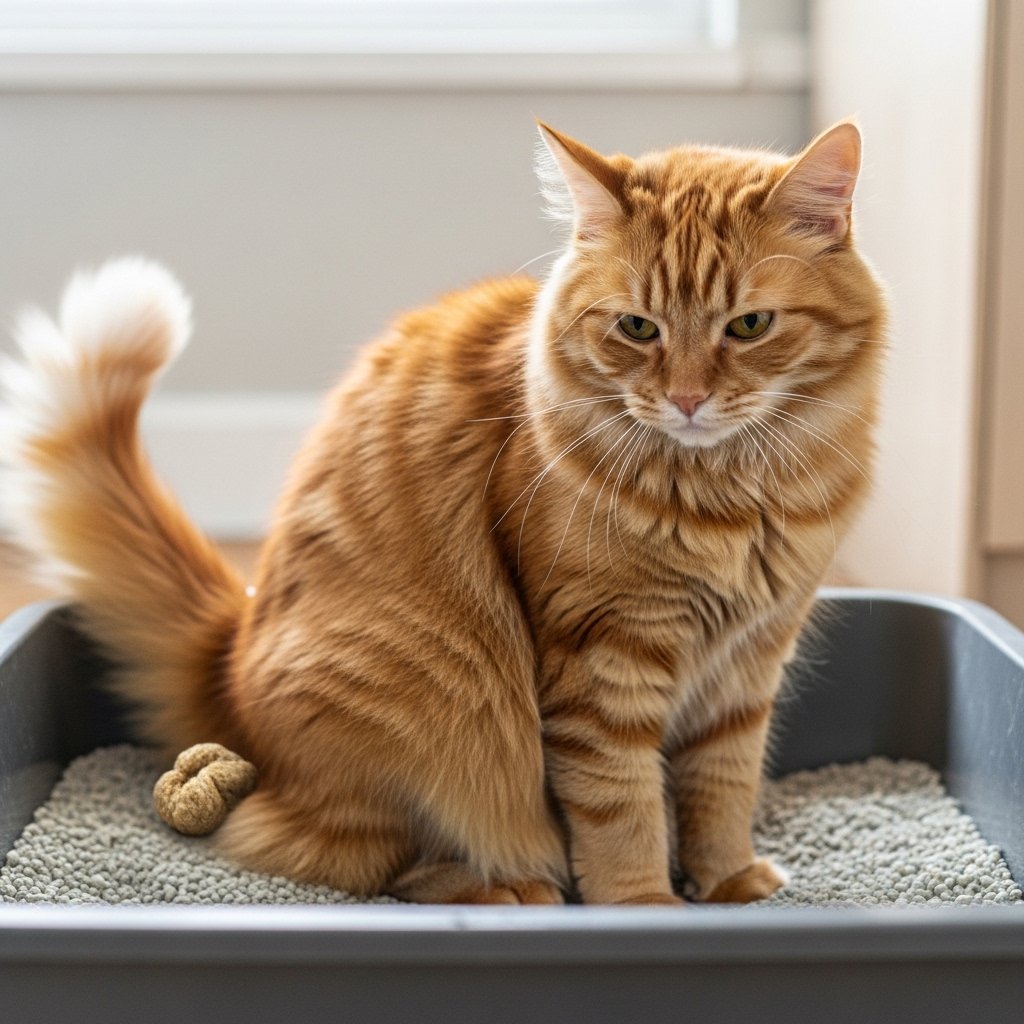
Constipation is a common yet often overlooked health issue in cats. While it may seem minor at first, ongoing or severe constipation can lead to serious complications and discomfort for your pet.
If your cat is struggling to pass stool or hasn’t used the litter box in a while, it’s important to act early. Understanding the causes, symptoms, and treatment options can help you manage the condition effectively and keep your cat healthy.
What Is Constipation in Cats?
Constipation in cats refers to infrequent, difficult, or painful bowel movements. Typically, stools become hard, dry, and difficult to pass.
In mild cases, constipation may resolve quickly with small adjustments. However, chronic or untreated constipation can lead to a more serious condition called megacolon, where the colon becomes enlarged and loses its ability to function properly.
How Often Should a Cat Poop?
Most healthy cats pass stool every 24 to 36 hours. While slight variations are normal, a cat that hasn’t defecated for more than 48 hours may be constipated.
Monitoring your cat’s litter box habits is one of the easiest ways to detect early signs of digestive problems.
Common Causes of Constipation in Cats
Constipation can develop for many reasons, often involving diet, lifestyle, or underlying health conditions.
Dietary and Hydration Issues
- Low moisture intake (dry food diets)
- Dehydration due to insufficient water consumption
- Lack of fiber in the diet
Cats naturally have a low thirst drive, making hydration a key factor in preventing constipation.
Ingestion of Hair or Foreign Material
Cats frequently groom themselves, which can lead to hair accumulation in the digestive tract. Other materials like string, bones, or fabric can also contribute to blockages.
Obstructions in the Colon
Physical blockages may be caused by:
- Tumors or growths
- Narrowing of the colon (strictures)
- Swallowed foreign objects
These conditions can prevent stool from passing normally.
Medical Conditions
Certain health issues can slow digestion or affect bowel movement:
- Kidney disease (leading to dehydration)
- Electrolyte imbalances
- Neurological or muscular disorders affecting the colon
Pain and Mobility Issues
Cats with arthritis or back pain may avoid using the litter box because squatting is uncomfortable. This can cause them to hold stool longer than normal.
Obesity and Low Activity
Overweight cats tend to be less active, which can slow down gut movement and contribute to constipation.
Medications
Some drugs, including certain pain medications or antacids, may cause constipation as a side effect.
Behavioral Causes
- Dirty litter boxes
- Stress or environmental changes
- Litter box aversion
Cats may delay defecation if they feel uncomfortable or unsafe, leading to stool buildup.
Idiopathic Causes
In some cases, no clear cause is identified despite thorough testing. These cases are referred to as idiopathic constipation.
Symptoms of Constipation in Cats
Recognizing early signs can prevent complications. Common symptoms include:
- No stool for more than 48 hours
- Straining in the litter box
- Passing small, hard, dry stools
- Frequent litter box visits with little result
- Crying or vocalizing while trying to defecate
- Loss of appetite
- Lethargy or reduced activity
- Vomiting in more severe cases
- Abdominal discomfort or bloating
- Soiling outside the litter box
These signs may range from subtle to severe depending on the underlying cause.
When Is Cat Constipation an Emergency?
Some cases require immediate veterinary care. Contact your vet urgently if your cat:
- Has not passed stool for 48–72 hours
- Shows signs of pain or distress
- Is vomiting repeatedly
- Has a swollen or hard abdomen
- Refuses food or appears very lethargic
Delaying treatment can lead to complications like intestinal blockage or megacolon.
How Veterinarians Diagnose Constipation
To determine the cause and severity, veterinarians use a combination of examination and diagnostic tests.
Common Diagnostic Methods
- Medical history review (diet, habits, environment)
- Physical exam, including abdominal palpation
- Rectal examination
- X-rays to check stool buildup or blockages
- Blood and urine tests to detect underlying disease
- Ultrasound or advanced imaging if needed
This thorough approach helps identify whether the constipation is mild, chronic, or caused by a serious condition.
Treatment Options for Constipated Cats
Treatment depends on severity and underlying cause. Early intervention is usually simpler and more effective.
Immediate Treatment
For moderate to severe constipation, vets may recommend:
- Fluid therapy (IV or subcutaneous) to correct dehydration
- Laxatives or stool softeners such as lactulose
- Enemas administered safely under veterinary supervision
- Manual removal of impacted stool (in severe cases)
Never give your cat an enema at home without veterinary advice, as some products are toxic to cats.
Dietary Changes
Diet plays a major role in both treatment and prevention.
Helpful changes include:
- Switching to wet (canned) food for increased moisture
- Adding fiber to support bowel movement
- Including small amounts of pumpkin (if vet-approved)
- Using prescription diets designed for digestive health
Long-Term Management
Chronic constipation may require ongoing care:
- Prokinetic medications to stimulate bowel movement
- Regular use of stool softeners
- Routine veterinary monitoring
- Adjustments to diet and hydration
Surgical Treatment
In severe cases, especially with megacolon, surgery may be necessary. A procedure called subtotal colectomy removes part of the colon and can significantly improve quality of life when other treatments fail.
How to Prevent Constipation in Cats
Preventive care is the best way to avoid recurring issues.
Encourage Hydration
- Provide fresh, clean water daily
- Use water fountains to increase interest in drinking
- Incorporate wet food into your cat’s diet
Maintain a Healthy Diet
- Feed balanced, high-quality cat food
- Ensure adequate fiber intake
- Avoid sudden dietary changes
Promote Regular Activity
Exercise helps stimulate digestion. Encourage play and movement, especially in indoor cats.
Groom Regularly
Brushing reduces hair ingestion, especially in long-haired breeds, lowering the risk of hair-related blockages.
Keep Litter Boxes Clean
- Scoop daily
- Provide enough litter boxes (one per cat + one extra)
- Place boxes in quiet, accessible locations
Reduce Stress
Cats are sensitive to environmental changes. Maintaining a stable routine helps prevent behavioral constipation.
Manage Underlying Health Issues
Conditions like kidney disease or arthritis should be treated promptly to reduce constipation risk.
Complications of Chronic Constipation
If left untreated, constipation can lead to serious health problems:
- Megacolon: Loss of normal colon function
- Dehydration: Worsening stool hardness
- Rectal injury or prolapse: From excessive straining
- Infections: Due to retained fecal matter
These complications often require more aggressive treatment and long-term care.
Final Thoughts
Constipation in cats is common but should never be ignored. What starts as a minor issue can quickly become a serious health concern if left untreated.
By monitoring your cat’s litter box habits, ensuring proper hydration, and seeking veterinary care when needed, you can prevent complications and keep your cat comfortable and healthy.
If your cat hasn’t pooped in a couple of days or shows signs of discomfort, it’s always better to act early rather than wait.
Frequently Asked Questions
How long can a cat go without pooping?
Up to 48 hours; beyond that, see a vet immediately.
What home remedy relieves cat constipation fast?
Plain canned pumpkin (1 tsp) adds fiber effectively.
Does dry food cause cat constipation?
Yes, low moisture in dry kibble often dehydrates stool.
Is cat constipation an emergency?
Yes, if vomiting or no stool for over 72 hours.
How to prevent hairball constipation in cats?
Brush daily and use hairball formula food.