
Dog Diarrhea: Signs, Symptoms, and Treatments
Dog Diarrhea: Signs, Symptoms, and Treatments
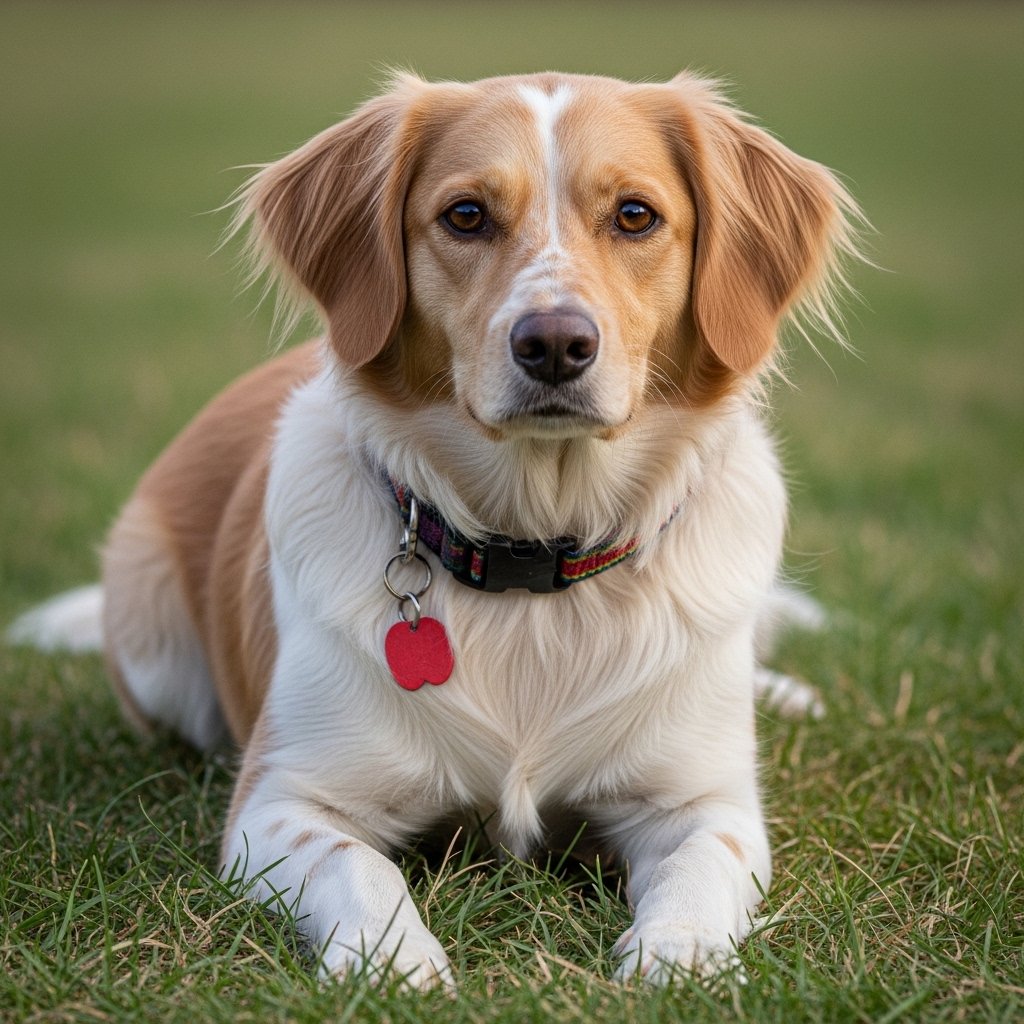
Dog diarrhea strikes fast and creates chaos, but spotting it early lets you act before it worsens. As a seasoned veterinary professional with over 15 years of experience caring for canine companions, I’ve guided countless pet parents through this common issue to swiftly restore gut health.
Understanding Dog Diarrhea Basics
When a dog has diarrhea, their stools are loose and watery, and they go more often than usual, sometimes in larger amounts. This happens when the intestines don’t absorb water well, so everything moves too quickly through the gut. Diarrhea can be a sign of irritation, infection, or a food problem, and it’s important to act quickly to prevent dehydration.
Diarrhea can affect any dog, regardless of age or breed, from young puppies to older dogs. Sometimes it comes on quickly and goes away quickly, but if it lasts for weeks, it could mean a bigger issue, like allergies or problems with organs.
Key Signs and Symptoms to Watch
You can spot diarrhea by its texture, which might look like soft-serve ice cream, cow-pat shapes, or even be completely liquid. Dogs will need to go outside much more often than usual. Watch for warning signs like straining, mucus or blood in the stool (bright red means bleeding in the lower gut, while dark, tarry stools point to bleeding higher up), vomiting, or tiredness.
Signs of dehydration include sticky gums, sunken eyes, skin that stays up when you pinch it, and weakness. Puppies and small dogs can dehydrate quickly and may collapse in just a few hours. If your dog has belly pain, like hunching, whining, or protecting their stomach, don’t ignore these signs when they also have diarrhea.
Common Causes Behind the Mess
The most common cause is eating things they shouldn’t, like garbage or fatty leftovers, or suddenly changing their food. Stress from things like boarding or moving can also cause diarrhea, as it does for people. Infections from bacteria (such as Salmonella), viruses (such as parvovirus in unvaccinated puppies), or parasites (such as Giardia) can spread through contaminated water or feces.
Parasites such as roundworms, hookworms, or whipworms can upset the intestines, especially in puppies. Eating toxic things like chocolate, xylitol, or certain plants can make diarrhea worse. Long-term causes include food intolerances, pancreatitis, or inflammatory bowel disease, in which stools remain loose even with a bland diet.
When It’s an Emergency: Act Now
Take your dog to the vet right away if diarrhea lasts more than 24 to 48 hours, contains blood, or is accompanied by vomiting, fever, or collapse. Black, tarry stools or bright red blood are emergencies and could mean a serious condition called hemorrhagic gastroenteritis (HGE). Puppies under 6 months, dogs over 10 years old, or those with health problems like diabetes need quick attention.
Dehydration is serious if your dog’s gums stay pale for more than two seconds after you press them, or if they are peeing less than usual. Even mild diarrhea in small breeds like Chihuahuas can get worse quickly. In these cases, don’t try home remedies—only IV fluids from a vet can help.
Diagnosing the Root Cause
Vets begin by asking about recent changes in your dog’s diet, travel, or anything they might have been exposed to. They’ll perform a fecal test to detect parasites, bacteria, or protozoa using flotation or PCR. Blood tests help check for dehydration, organ health, and signs of infection, like a high white blood cell count.
Imaging tests like X-rays or ultrasounds can detect swallowed objects or tumors. For ongoing cases, vets might use endoscopy or take a biopsy. If parvo is suspected, a rapid antigen test can give results in minutes.
Home Treatment: Safe First Steps
If your dog has mild diarrhea without any warning signs, don’t give them food for 12 to 24 hours, but always provide water. You can offer ice cubes for them to lick slowly. After that, feed a bland diet of one part lean, skinless chicken to three parts white rice, giving small meals 4 to 6 times a day for 3 to 5 days. Slowly add their regular food back over the course of a week.
Probiotics such as FortiFlora help restore healthy gut bacteria. Plain canned pumpkin (1 to 4 tablespoons per 10 pounds of body weight) adds fiber. Kaolin-pectin pastes can help firm up stools. Watch your dog closely, and if there’s no improvement in 48 hours, see your vet.
Vet-Prescribed Treatments That Work
Medications like metronidazole treat infections, while dewormers such as fenbendazole eliminate parasites. Anti-nausea drugs like Cerenia can stop vomiting. Severe cases may need IV fluids, plasma for HGE, or monoclonal antibodies for parvo.
Special prescription diets from brands like Hills or Royal Canin can help heal an inflamed gut. If your dog has allergies, hydrolyzed protein diets can prevent reactions. Dogs with chronic IBD might need steroids or other immunosuppressant medications.
Prevention Strategies for a Healthier Gut
Feed consistent, high-quality diets, avoiding human “treats”—no fatty scraps that spark pancreatitis. Vaccinate against parvo, distemper; deworm quarterly. Probiotics daily build resilience; fiber-rich foods like sweet potatoes support regularity.
Stool-test annually, especially in multi-dog homes. Quarantine new pups. Avoid raw diets unless vet-approved—bacteria risks soar. Stress-proof with routines and pheromone diffusers.
Recovery and Long-Term Management
Most mild cases improve in 2 to 3 days with rest and bland foods. Slowly add fiber back into their diet, and keep track of their stools using apps like Petdiary. Dogs with ongoing issues often do well on new protein sources, such as kangaroo or duck, or on hydrolyzed diets.
Check your dog’s weight monthly and use probiotics to help prevent recurring diarrhea. Many owners see 80% fewer episodes when they do regular fecal tests. With patience, your dog’s gut will recover, and they’ll be back to normal in a few weeks.
Comparison of Diarrhea Types
| Type | Duration | Traits | Common Causes | Treatment Approach |
| Acute | <14 days | Sudden, watery, self-resolving | Scavenging, stress, mild bugs | Bland diet, probiotics |
| Chronic | >14 days | Persistent loose stools | Allergies, IBD, parasites | Diet trials, meds, biopsy |
| HGE | Hours-Days | Bloody, explosive | Unknown (possibly immune) | Hospitalization, fluids |
Frequently Asked Questions
How long does dog diarrhea last?
Mild cases resolve in 1-2 days with a bland diet; consult a vet if beyond 48 hours.
Can I give my dog Pepto-Bismol for diarrhea?
No—risks aspirin toxicity; use vet-approved alternatives only.
What home remedy stops dog diarrhea fast?
Boiled chicken/rice plus pumpkin; monitor hydration closely.
Is bloody dog diarrhea always serious?
Yes. Bloody diarrhea means there is bleeding, so get emergency vet care right away.
When to worry about puppy diarrhea?
Always. Puppies can get dehydrated quickly, and the risk of parvo is high if they aren’t vaccinated.