
The Oldest Religions in the World and How To Experience Them
The Oldest Religions in the World and How To Experience Them
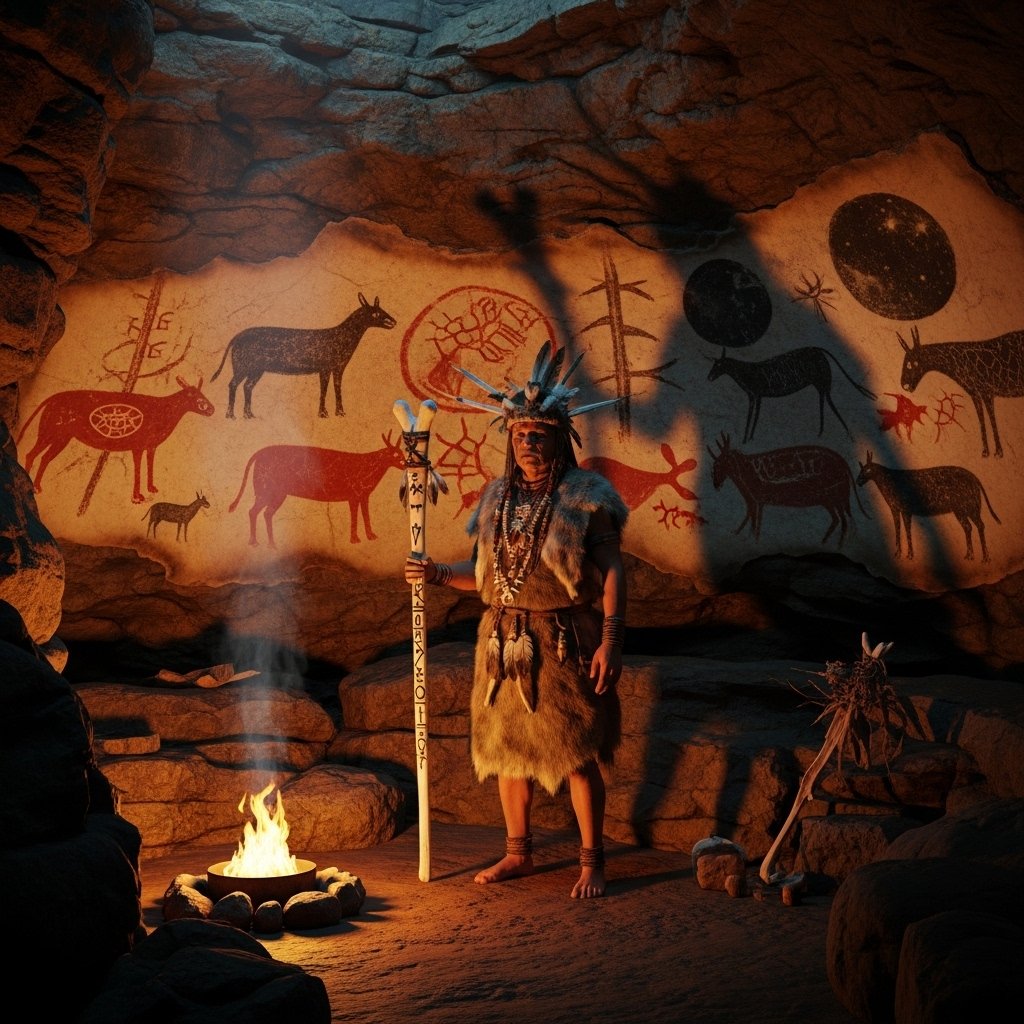
Religion has shaped human civilization for thousands of years, offering meaning, moral guidance, and community across cultures and eras. While countless belief systems have risen and faded, a handful of ancient religions have endured into the present day, still followed by millions—and in some cases, hundreds of millions—around the world.
This guide explores eight of the oldest surviving religions still practiced today, highlighting their historical origins, central teachings, sacred texts, and cultural impact.
1. Hinduism
Often regarded as the oldest living religion, Hinduism emerged from the spiritual traditions of the Indus Valley and the broader Indian subcontinent.
- Age: Roughly 4,000 years (roots possibly older)
- Origin: Indus River Valley, in modern‑day India and Pakistan
- Founder: None; developed from diverse ancient traditions
- Main texts: The Vedas (Rigveda, Yajurveda, Samaveda, Atharvaveda), Upanishads, Bhagavad Gita
Core Beliefs
Hinduism is a vast, pluralistic tradition rather than a single uniform creed. Key ideas include:
- Dharma: Righteous duty, ethics, and social responsibility.
- Karma: Moral cause and effect connecting actions with future outcomes.
- Samsara: The cycle of birth, death, and rebirth.
- Moksha: Liberation from samsara and union with ultimate reality.
Hindu practice also recognizes many deities, with major divine figures including Brahma, Vishnu, Shiva, and goddesses such as Saraswati, Lakshmi, and Durga.
Influence and Sacred Sites
Hinduism has profoundly shaped the cultures of India and Nepal through philosophy, art, literature, law, and daily rituals. Important pilgrimage centers include Varanasi, Haridwar, Rishikesh, and temples like Kashi Vishwanath and Jagannath Puri.
2. Judaism
Judaism is one of the earliest monotheistic religions, rooted in the covenant between God and the ancient Hebrew people.
- Age: Around 3,000–3,500 years
- Origin: Ancient Canaan, in the region of modern Israel and Palestine
- Foundational figures: Traditionally Abraham, Moses, and the prophets
- Main texts: Torah (first five books of the Hebrew Bible), Tanakh, and later rabbinic writings
Core Beliefs
Judaism centers on:
- Belief in one God (YHWH) who is just, merciful, and active in history.
- Covenant: The binding relationship between God and Israel.
- Mitzvot: Commandments governing ethical conduct, ritual life, and social justice.
Major festivals include Passover, Yom Kippur, Rosh Hashanah, and Hanukkah.
Influence and Sacred Sites
Judaism is foundational to Christianity and Islam, influencing concepts of monotheism, law, and prophecy. Key sites include Jerusalem, Hebron, Safed, and Tiberias, all significant in Jewish history and pilgrimage.
3. Zoroastrianism
Zoroastrianism is an ancient Persian faith and one of the world’s earliest monotheistic religions still practiced today.
- Age: Roots around 1500–1200 BCE; formalized around the 6th century BCE
- Origin: Ancient Persia (modern‑day Iran)
- Founder: Prophet Zoroaster (Zarathustra)
- Main text: Avesta
Core Beliefs
Zoroastrian teaching emphasizes:
- A supreme deity, Ahura Mazda, embodying wisdom and goodness.
- A cosmic struggle between truth/light and falsehood/darkness, often personified by Angra Mainyu (Ahriman).
- Human responsibility to choose good thoughts, good words, and good deeds.
Fire temples and sacred flames symbolize purity, light, and divine presence.
Influence and Sacred Sites
Zoroastrianism influenced later religious concepts of heaven, hell, angels, and a final judgment in Judaism, Christianity, and Islam. Today, most Zoroastrians—often called Parsis in India—live in Iran and India. Important centers include Yazd, Abarkuh, and traditional fire temples.
4. Jainism
Jainism is an ancient Indian religion centered on non‑violence and ascetic discipline.
- Age: Took shape around the 6th century BCE
- Origin: Northern India
- Founder (current era): Mahavira, the 24th Tirthankara
- Main texts: Agamas and later commentaries
Core Beliefs
Key Jain principles include:
- Ahimsa: Radical non‑violence toward all living beings.
- Karma and reincarnation: Actions bind the soul, affecting future births.
- Moksha: Liberation of the soul through right faith, right knowledge, and right conduct.
Devotees honor a series of enlightened teachers called Tirthankaras, of whom Mahavira is the most recent in this cycle.
Influence and Sacred Sites
Jain ethics have strongly influenced Indian notions of non‑violence and vegetarianism. Notable pilgrimage sites include Palitana, Ranakpur, and Shatrunjaya Hill, renowned for their intricate marble temples.
5. Buddhism
Buddhism emerged in northern India and Nepal as a path to end suffering through inner transformation.
- Age: Around 2,500 years
- Origin: Ancient India/Nepal in the 6th–5th century BCE
- Founder: Siddhartha Gautama, the Buddha
- Main texts: Tripitaka (Pali Canon), Mahayana Sutras, and various later scriptures
Core Beliefs
Buddhism teaches:
- Four Noble Truths: Life involves suffering; suffering has causes; it can end; and the Eightfold Path leads to its cessation.
- Nirvana (Nibbana): Liberation from the cycle of rebirth and suffering.
- Non‑theism: While cosmic beings exist, enlightenment comes through personal practice rather than divine intervention.
Major branches include Theravada, Mahayana, and Vajrayana, each with distinct practices and philosophies.
Influence and Sacred Sites
Buddhism has shaped cultures across East and Southeast Asia in fields like art, ethics, and meditation practices. Key pilgrimage places are Lumbini (birthplace), Bodh Gaya (enlightenment), Sarnath (first sermon), and Kushinagar (Buddha’s passing).
6. Confucianism
Confucianism is a system of ethics and social philosophy rooted in the teachings of Confucius, rather than a religion in the Western sense.
- Age: Around 2,500 years
- Origin: 6th–5th century BCE China
- Founder: Confucius (Kongzi)
- Main text: Analects, plus later classics
Core Beliefs
Confucian thought emphasizes:
- Filial piety: Respect for parents and ancestors.
- Proper conduct: Ritual propriety (li) and personal virtue (ren).
- Social harmony: A well‑ordered society built on ethical relationships.
Confucianism deeply influenced government, education, exams, and family life in East Asia for centuries.
Influence and Sacred Sites
While not always practiced as an organized religion, Confucian values shape the lives of hundreds of millions in China, Korea, Japan, and Vietnam. Important sites include Qufu in Shandong (Confucius’ birthplace) and Temples of Confucius across East Asia.
7. Taoism (Daoism)
Taoism is a Chinese philosophical and religious tradition that seeks harmony with the Tao, or “the Way.”
- Age: Over 2,400 years
- Origin: China, 6th–4th centuries BCE
- Founder: Traditionally attributed to Laozi
- Main texts: Tao Te Ching and Zhuangzi
Core Beliefs
Central Taoist ideas include:
- Tao: The ineffable source and pattern of the universe.
- Wu wei: Effortless action or non‑striving, aligning with natural flow.
- Yin and yang: Complementary forces whose balance creates harmony.
Taoist practice ranges from philosophical reflection to religious rituals, meditation, internal alchemy, and Qigong.
Influence and Sacred Sites
Taoism has shaped Chinese medicine, martial arts, landscape painting, and folk religion. Sacred mountains like the Wudang Mountains and Mount Qingcheng are key pilgrimage destinations.
8. Shinto
Shinto is the indigenous spirituality of Japan, centered on devotion to kami—spirits associated with nature, ancestors, and sacred places.
- Age: Roots at least by the 1st millennium BCE; codified in early centuries CE
- Origin: Japan
- Founder: None; evolved from ancient local rituals
- Main texts: Kojiki and Nihon Shoki (mythological and historical chronicles)
Core Beliefs
Shinto emphasizes:
- Kami: Spiritual beings present in natural phenomena, ancestors, and important cultural figures.
- Ritual purity: Cleansing practices before entering sacred spaces.
- Festivals (matsuri): Seasonal celebrations that strengthen ties between communities and kami.
Shinto often coexists with Buddhism—many Japanese people participate in both traditions.
Influence and Sacred Sites
Shinto is central to Japanese identity, aesthetics, and seasonal festivals. Major shrines include Ise Grand Shrine, Itsukushima Shrine, and Meiji Shrine, each drawing millions of visitors annually.
Comparison Table: Eight Oldest Surviving Religions
These eight ancient traditions have endured war, migration, cultural change, and globalization, yet continue to guide the spiritual lives of people today. Together, they reveal the depth and diversity of humanity’s search for meaning across time
FAQs
What is the oldest religion still practiced today?
Hinduism, originating in India 1500 BCE, remains vibrant worldwide.
Where can I visit Zoroastrian fire temples?
Yazd, Iran, for Atash Behrams; Mumbai, India, for Parsi communities.
How do I experience Judaism’s holy sites respectfully?
Pray at Jerusalem’s Western Wall, covering shoulders and head.
What defines Jainism’s core principle?
Ahimsa—non-violence toward all life forms.
Which city is best for Shinto shrines?
Kyoto, Japan, with Fushimi Inari’s iconic torii paths.