
Dog In Heat: 4 Stages, Timeline, And Essential Care Tips
Dog In Heat: 4 Stages, Timeline, And Essential Care Tips
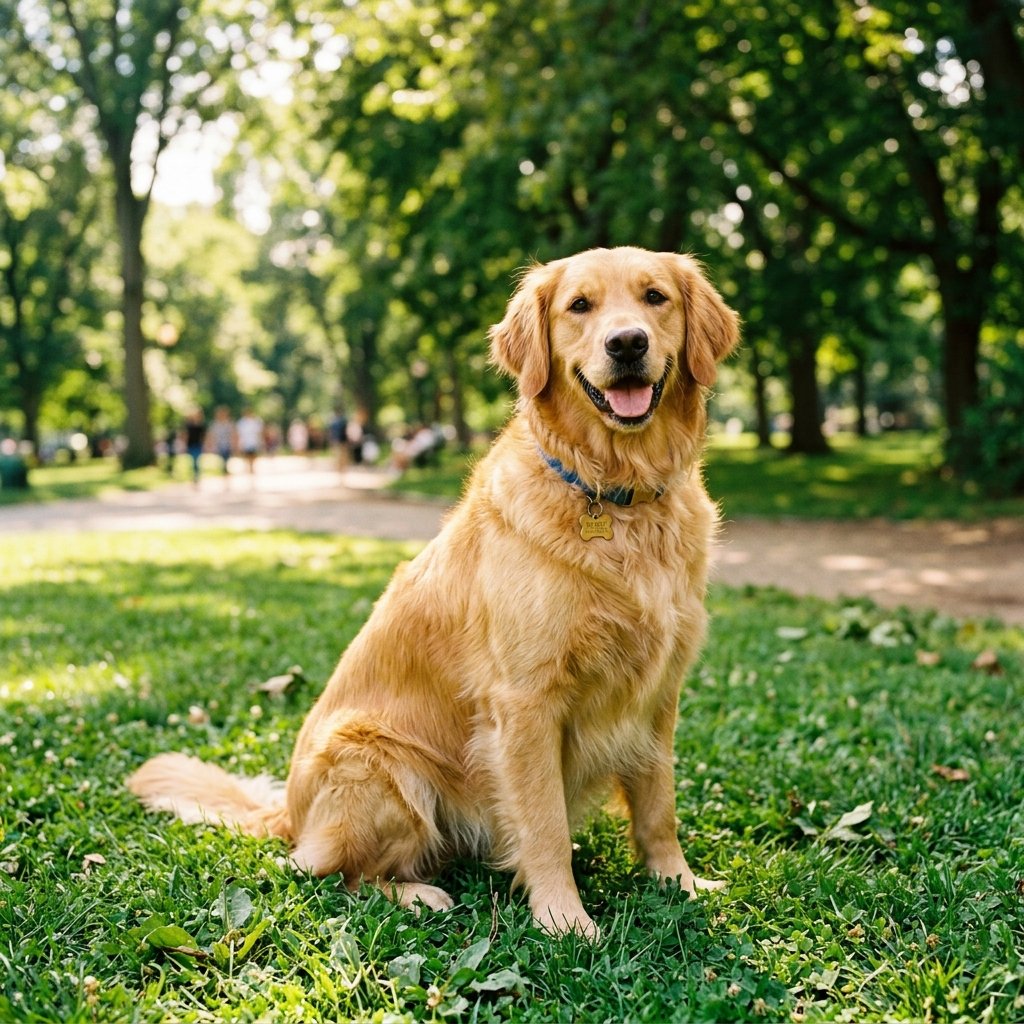
Dogs in heat go through a 4-stage reproductive cycle that typically lasts 2–3 weeks for the “in heat” part and several months for the full cycle, and they need calm, consistent, and vigilant care throughout. Understanding the stages, signs, and risks will help you keep your dog comfortable and prevent unwanted pregnancy or health issues.
Introduction: What “Dog In Heat” Really Means
When a female dog is “in heat,” she is in the fertile part of her reproductive (estrous) cycle and can become pregnant if she mates with a male. This cycle starts at puberty, often between 6–12 months of age depending on breed and size.
During a heat cycle, hormones fluctuate, behavior changes, and you may see blood-tinged discharge and swelling of the vulva. For most owners, the biggest concerns are mess in the house, changes in temperament, and preventing accidental litters.
The 4 Stages of a Dog’s Heat Cycle
The canine heat cycle has four stages: proestrus, estrus, diestrus, and anestrus. What people usually call “in heat” refers mainly to proestrus and estrus, when the bleeding and fertility happen.
Stage 1: Proestrus – The “Coming Into Heat” Phase
Proestrus is the beginning of the heat cycle and usually lasts about 6–11 days, often grouped as roughly 7–10 days.
Typical signs include:
- Swollen vulva
- Bloody or red discharge
- Increased attraction of male dogs, but she usually refuses mating
- Possible changes in mood: clingy, restless, or more irritable
Hormone changes, especially rising estrogen, drive these symptoms and prepare the body for possible breeding. During this phase, you should already treat her as fertile and keep male dogs away, because it can be hard to know exactly when she transitions into estrus.
Real-life example:
You notice your dog licking her back end more, small blood spots on the floor, and male dogs sniffing around your yard, but she growls or moves away if they try to mount. That pattern is classic proestrus.
Stage 2: Estrus – The Fertile “In Heat” Phase
Estrus is when your dog is actually receptive to mating and can get pregnant. This stage usually lasts about 5–9 days, sometimes 5–14 days in total.
Typical signs include:
- Discharge becomes lighter, pink, or straw-colored, and may decrease
- Vulva remains enlarged but may soften
- She stands and moves her tail aside for male dogs (“flagging”)
- Increased interest in male dogs and roaming tendencies
This is the highest-risk period for accidental pregnancy, so close supervision and strict management are essential.
Real-life example:
Your previously fussy dog suddenly seems flirty with male dogs and willingly stands still when one tries to mount her. Her discharge is lighter and less frequent. That is likely estrus, and you must prevent any mating if you do not want puppies.
Stage 3: Diestrus – After Heat, Possible Pregnancy
Diestrus begins when your dog stops accepting males and heat signs fade. This phase can last 10–140 days depending on whether she becomes pregnant.
Typical features:
- Vulva returns closer to normal size
- Discharge stops
- Hormone progesterone stays high whether or not she is pregnant
- Possible “false pregnancy” signs (nesting, carrying toys, even mild milk production) in some dogs
Even though she no longer appears “in heat,” internal hormone shifts are still happening, so monitor her for unusual behavior, mammary enlargement, or any signs of infection like pyometra (serious uterine infection).
Stage 4: Anestrus – The Resting Phase
Anestrus is the quiet period between cycles when the reproductive system rests and the uterus recovers. It typically lasts around 4–6 months for most dogs, though very small or giant breeds can vary.
During anestrus:
- No discharge or swelling
- Hormones remain low
- Behavior and energy are usually back to normal
This is the ideal time to discuss spaying with your vet if you do not plan to breed, because many vets prefer spaying when hormone levels are stable.
Heat Timeline: How Long Does a Dog Stay in Heat?
Owners usually care about the “messy” and fertile part of the cycle, which is mainly proestrus and estrus.
- Proestrus: about 7–10 days on average.
- Estrus: about 5–10 days, sometimes up to ~14 days.
- Visible “in heat” period (bleeding + fertility): often 2–3 weeks total.
- Full cycle, including diestrus and anestrus: several months.
Most unspayed dogs come into heat roughly every 6 months, though smaller breeds may cycle more often and giant breeds less often.
Quick timeline illustration
- Days 1–7 (approx.): Proestrus – bleeding, swollen vulva, not yet receptive
- Days 8–16 (approx.): Estrus – discharge lightens, fertile, receptive
- Days 17–60+: Diestrus – no longer receptive, possible pregnancy or false pregnancy
- Months 3–6 after heat: Anestrus – resting period until the next cycle
Essential Care Tips During Each Stage
Keep Male Dogs Away and Prevent Pregnancy
Preventing unplanned pregnancy is the most critical management task during heat.
Practical steps:
- Always supervise outdoor time; no off-leash walks or dog parks during estrus.
- Keep doors, gates, and windows securely shut to stop escapes.
- Separate your female from any intact males in the home, using baby gates, closed rooms, or crates.
- Continue precautions for at least a week after bleeding stops, as she may still be fertile.
Male dogs can be very persistent, and some will attempt to jump fences or break in if they smell a female in heat.
Maintain Hygiene and Cleanliness
Heat cycles can create a mess and increase infection risk if the area is not kept clean.
Useful hygiene practices:
- Use dog-specific wipes or warm damp cloths to gently clean the area around the vulva.
- Avoid using the same cloth on her face and sanitary area; keep separate cloths or wipes.
- Provide clean, washable bedding and change it frequently to prevent bacteria build-up.
- Consider dog diapers or pants to protect furniture and flooring, especially with heavier bleeders.
- Do not over-bathe her; use mild dog shampoo when needed and dry gently.
Comfort, Routine, and Mental Stimulation
Many dogs feel more tired, clingy, or moody while in heat, so they benefit from extra comfort and calm.
Helpful strategies:
- Allow extra rest and a quiet, safe space where she can retreat.
- Offer gentle affection and attention if she seeks comfort, but respect her if she prefers space.
- Keep her daily routine (mealtimes, walks, bedtime) as consistent as possible to reduce stress.
- Since outdoor freedom may be limited, add indoor activities: puzzle toys, training games, or low-impact play like hide-and-seek with treats.
Monitor Health and When to Call the Vet
Most heat cycles are normal, but complications can occur.
Call your vet if you notice:
- Extremely heavy bleeding or suddenly bad-smelling discharge
- Lethargy, fever, vomiting, or refusal to eat
- Intense thirst and frequent urination paired with other illness signs
- A bloated abdomen or severe pain
- Any signs of discharge or illness weeks after heat that might suggest pyometra
If you never plan to breed your dog, discuss spaying, which removes the ovaries (and often the uterus) and prevents future heat cycles and pregnancies.
Practical Examples: What To Do In Common Situations
Example 1: First Heat in a Young Dog
Your 8‑month‑old pup suddenly has a swollen vulva and small blood drops on the floor. She is a bit clingy and sleeping more.
What you do:
- Confirm signs with your vet if you are unsure it is heat.
- Start using dog diapers or confine her to easy-to-clean rooms.
- Supervise all outdoor time and keep her away from male dogs.
- Keep a simple heat diary: first day of bleeding, behavior changes, and when bleeding tapers off.
Example 2: Small Apartment With Male and Female Dog
You have an intact male and female dog in a small flat, and she enters estrus.
What you do:
- Rotate dogs between rooms or crates so they never have unsupervised time together.
- Use visual barriers (closed doors, covered crates) to reduce frustration.
- Provide extra chew toys, enrichment, and one-on-one attention to both dogs to manage stress.
- Discuss long-term spay/neuter options with your vet to avoid repeated difficult cycles.
Example 3: Managing Mess in a Busy Household
You have kids and carpeted floors, and you want to minimize mess.
What you do:
- Choose a specific “heat-safe” zone with washable rugs or hard flooring where your dog spends most of her time.
- Use dog diapers during family time on sofas or beds, changing them frequently.
- Keep a basket of wipes, spare diapers, and clean bedding handy for quick changes.
Expert Tips to Make Heat Easier for You and Your Dog
- Track every cycle: Keep a dedicated note on your phone with start date, end date, and behavior patterns to predict future heats better.
- Introduce restrictions early: If you plan to limit sofa access or use a crate during heat, train and normalize that routine before her first season.
- Use pheromone diffusers or calming aids (as advised by your vet) for very anxious dogs to help reduce stress during close confinement.
- Rotate enrichment: Swap puzzle toys and chews every few days to keep her mentally engaged when walks are shorter or more controlled.
- Plan vet visits smartly: Unless it is an emergency, many vets prefer non-urgent procedures like spaying during anestrus, when hormones are settled.
- Think long-term: Spaying significantly reduces the risk of certain reproductive diseases and eliminates heat cycles if you do not want to breed.
FAQ: Common Questions About Dogs in Heat
How often do dogs go into heat?
Most unspayed females come into heat about every 6 months, though small breeds can cycle more often and large or giant breeds sometimes only once a year.
How long does a dog bleed when in heat?
Bleeding is usually most obvious in early proestrus and can last around 7–10 days, sometimes more, before the discharge becomes lighter or straw-colored in estrus.
Can my dog get pregnant the first time she is in heat?
Yes. A dog can become pregnant during her first estrus if she mates with a male while fertile, even if she is still very young.
Can I walk my dog when she is in heat?
You can walk her, but keep her on a leash, avoid dog parks, and stay away from areas with off-leash dogs to prevent unwanted mating.
Should I spay my dog, and when?
If you do not plan to breed, most vets recommend spaying to prevent pregnancies and reduce some health risks; timing depends on age, breed, and health, so discuss it with your vet.
Is my dog in pain when she is in heat?
Many dogs are not in obvious pain but may feel crampy, tired, or irritable; if she seems very uncomfortable or unwell, consult your vet.
What are warning signs of a problem during or after heat?
Very bad-smelling discharge, extreme lethargy, vomiting, fever, or a swollen abdomen can signal serious issues like infection and need urgent veterinary care.
Conclusion and Call to Action
When your dog is in heat, your main tasks are to understand the 4 stages, protect her from unwanted pregnancy, keep her clean and comfortable, and watch for any warning signs of illness. With a little planning—tracking her cycle, managing her environment, and offering calm support—you can make each season far less stressful for both of you.
If your dog is approaching or currently in heat, start a simple heat diary today, put basic supplies in one place (wipes, diapers, clean bedding), and schedule a vet chat about long-term options like spaying. Would you like an editable checklist you can print or keep on your phone for your dog’s next heat cycle