
Why Is There Mucus in My Dog’s Stool? Causes & Treatment
Why Is There Mucus in My Dog’s Stool? Causes & Treatment
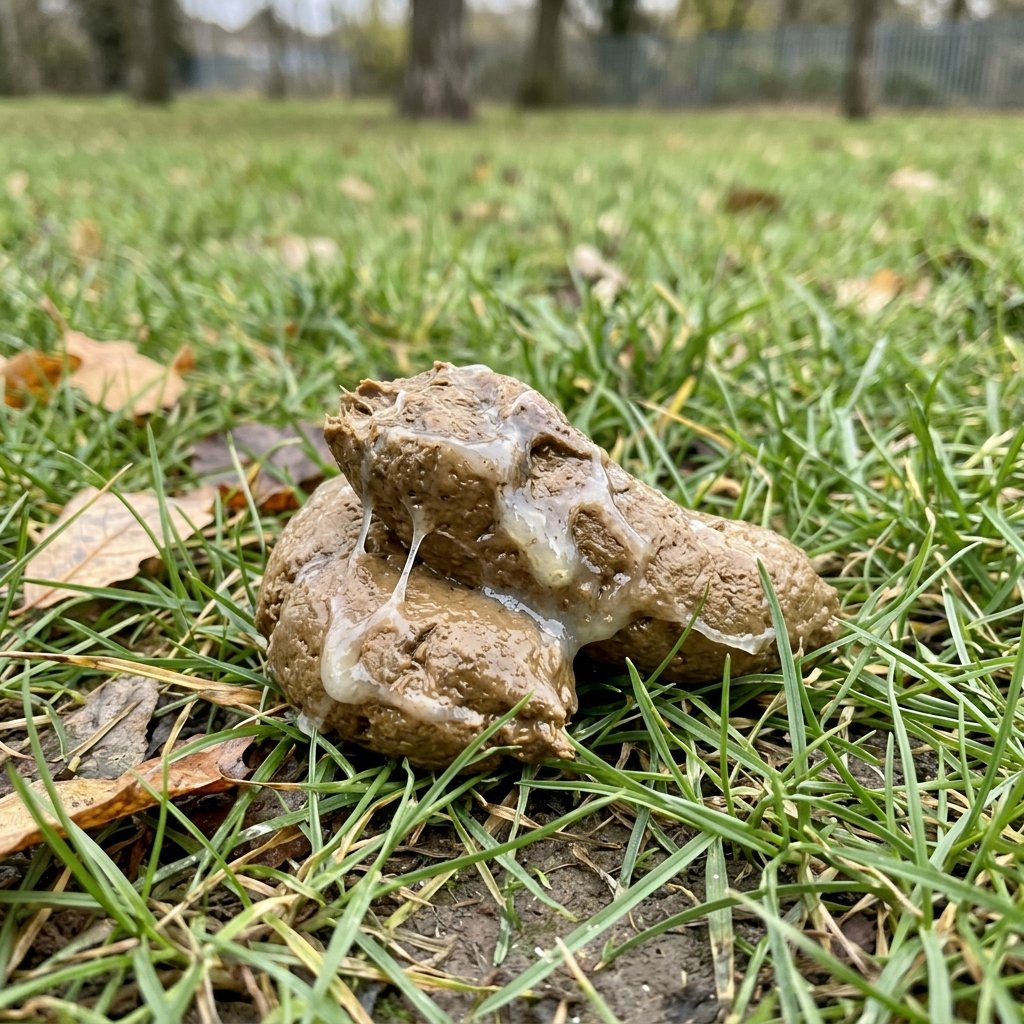
Mucus in dog poop is usually a sign that the large intestine is irritated, and while a small amount can be normal, larger amounts or ongoing slime often point to an underlying problem that needs attention. Understanding the likely causes, the symptoms to watch for, and how vets treat it will help you decide when to monitor at home and when to call your vet.
Introduction: Is Mucus in Dog Poop Normal?
Mucus is a slick, jelly-like substance made by the intestines to help stool pass smoothly, so seeing a little on your dog’s poop once in a while can be normal. However, frequent, thick, or excessive mucus—especially if it coats the stool or is mixed with blood—is not typical and usually means the gut lining is inflamed or irritated.
When mucus shows up alongside diarrhea, straining, vomiting, behavior changes, or weight loss, it becomes more urgent and is a clear reason to talk to your vet.
The 7 Common Causes of Mucus in Dog Poop
1. Diet Changes or Eating Something New
A sudden switch in food or a new treat can upset the digestive system and irritate the colon, leading to mucus in poop. Even a normal, healthy diet change done too quickly may cause mild colitis (colon inflammation) and slimy stools for a day or two.
Symptoms often include slightly softer stools, streaks or coating of mucus, and a dog that otherwise seems bright and normal.
2. Eating Something They Shouldn’t (Dietary Indiscretion)
Dogs that raid the trash, chew sticks, or eat foreign objects frequently develop gut irritation or partial blockages that can show up as mucus in stool. Greasy, spicy, or spoiled foods can especially inflame the intestines and colon.
In more serious cases, you might see vomiting, abdominal pain, lethargy, or very abnormal stools along with mucus.
3. Inflammatory Bowel Disease (IBD)
IBD is a chronic condition where the gut’s immune system overreacts, causing ongoing inflammation in the intestinal wall. Dogs with IBD may have intermittent or chronic diarrhea, weight loss, poor appetite, and frequent mucus or blood in their poop.
It is often linked with food sensitivities or abnormal responses to bacteria in the gut, and usually needs long-term management rather than a one-time fix.
4. Irritable Bowel Syndrome (Stress-Related Colitis)
Stressful events—moving house, boarding, loud fireworks, new pets or people—can trigger stress colitis, which often causes mucus-covered, loose stools. Just like anxious humans can get an upset stomach, dogs can get stress-induced diarrhea with slime.
These episodes often come and go, and may improve once the stressor is removed and the gut calms down.
5. Infections (Bacterial, Viral, or Protozoal)
Several infections can inflame the intestines and cause mucus in dog poop, including bacterial overgrowth, viral infections like parvovirus, and protozoa such as Giardia. These usually come with other signs such as watery diarrhea, vomiting, poor appetite, fever, or your dog acting very unwell.
Some infections are highly contagious or life-threatening, so early veterinary care is important—especially in puppies or dogs that are not fully vaccinated.
6. Intestinal Parasites (Worms and Other Parasites)
Roundworms, hookworms, whipworms, tapeworms, and microscopic parasites can all irritate the gut and lead to mucus in the stool. Sometimes worms are visible, but often they are not, and mucus may be one of the few outward signs.
Dogs may also show weight loss, poor coat quality, diarrhea, or changes in appetite when parasites are present. Regular worming and fecal checks help catch and control these problems early.
7. Other Underlying Health Problems
Less common causes include polyps, tumors, severe food allergies, foreign bodies, and diseases affecting the pancreas or liver that secondarily disturb digestion. These conditions often produce longer-term or worsening symptoms, and mucus is just one clue among many.
In older dogs or those with chronic signs, vets will dig deeper to rule out serious underlying diseases.
Key Symptoms to Watch Alongside Mucus
A small streak of mucus once in an otherwise normal, formed stool is usually not an emergency. The pattern and accompanying signs matter much more.
Concerning stool changes
- Large amounts of mucus that coat or encase the stool.
- Mucus plus visible blood (bright red streaks or clots).
- Very loose, watery, or explosive diarrhea with slime.
- Straining to poop (tenesmus), especially with small amounts of stool and mucus.
General illness signs
- Vomiting or nausea (lip licking, drooling).
- Lethargy or unusual quietness.
- Loss of appetite or refusal to eat.
- Weight loss or poor body condition over time.
- Abdominal pain (hunched posture, whining, guarding the belly).
If mucus is the only change and your dog is otherwise normal, your vet may initially suggest short-term diet adjustments and monitoring. If any of the above signs appear, a vet visit becomes much more urgent.
How Vets Diagnose the Cause
Vets combine history, physical exam, and diagnostic tests to pinpoint why mucus is showing up.
Typical steps include:
- History and exam – Recent diet changes, access to trash, stress, travel, vaccination and worming history, plus an abdominal exam and rectal check.
- Fecal tests – Microscopic exam and sometimes specialized tests (like Giardia ELISA) to look for parasites or abnormal organisms.
- Blood tests – To assess overall health, hydration, infection, and organ function.
- Imaging (x-ray or ultrasound) – If a foreign body, mass, or structural problem is suspected.
- Diet trials or biopsies – For chronic cases where IBD, severe food allergy, or other complex disease is suspected.
Bringing a fresh stool sample and photos of abnormal poop can really help your vet.
Treatments for Mucus in Dog Poop
Treatment depends entirely on the underlying cause, but common approaches follow similar themes.
1. Diet Adjustments
For mild or diet-related cases, vets often recommend:
- Short-term bland diet (e.g., easily digestible vet-prescribed food) to rest the gut.
- Slow transition back to regular food or to a new, higher-quality diet over several days.
- For suspected food allergies/intolerances, a prescription hypoallergenic or limited-ingredient diet trial.
Diet is also central to managing IBD and chronic colitis.
2. Medications
Depending on findings, your vet may use:
- Antiparasitics (dewormers) to eliminate intestinal worms and protozoa.
- Antibiotics or antiprotozoal drugs for certain infections or bacterial overgrowth.
- Anti-inflammatory drugs or immunosuppressants for IBD or severe colitis.
- Antidiarrheals and gut protectants to soothe and firm up stools in selected cases.
Never start leftover or human medications on your own, as some can be dangerous for dogs.
3. Supportive Care
For dogs that are dehydrated or very unwell, vets may add:
- Intravenous or subcutaneous fluids.
- Anti-nausea medications so dogs can keep food and water down.
- Pain control if there is significant abdominal discomfort.
4. Long-Term Management
Chronic issues like IBD or recurring stress colitis often need:
- Ongoing diet strategies (specific proteins/carbs that suit your dog).
- Probiotics and sometimes digestive enzymes to support gut bacteria and digestion.
- Stress reduction (routine, enrichment, behavior support) for stress-triggered colitis.
Expert Tips: What You Can Do at Home
- Monitor and record: Note when you see mucus, what the stool looks like (color, firmness, amount of slime, any blood), and any recent diet or routine changes.
- Do not ignore patterns: One slimy stool may be fine; repeated episodes or worsening mucus deserve a vet visit.
- Change foods slowly: Take 5–7 days to switch diets, mixing more of the new food in gradually.
- Keep up with parasite control: Use vet-recommended worming and parasite preventatives on the schedule they suggest.
- Reduce stress where possible: Maintain routine, provide safe spaces, and introduce changes gradually for sensitive dogs.
When to Call the Vet Urgently
Seek same-day or emergency vet care if you see mucus plus:
- Large amounts of blood in the stool.
- Continuous straining with little or no stool passing.
- Repeated vomiting or inability to keep food/water down.
- Severe lethargy, collapse, fever, or obvious pain.
- A puppy or very old dog showing mucus and diarrhea (they dehydrate faster and are more fragile).
These can indicate serious infections, hemorrhagic colitis, foreign bodies, or other emergencies that need immediate treatment.
FAQ: Mucus in Dog Poop
Is a little mucus in dog poop ever normal?
Yes, a small amount once in a while, with otherwise normal stools and a bright, healthy dog, can be normal intestinal lubrication.
Can mucus in poop go away on its own?
If it is mild and linked to a one-time diet change or minor stress, it may clear up in a day or two; persistent or recurring mucus should be checked by a vet.
What does it mean if the poop is fully encased in a slimy membrane?
Stools fully wrapped in mucus are not typical and suggest significant colon irritation or disease, so a vet visit is recommended.
Can worms cause mucus in dog poop?
Yes, intestinal parasites are a common cause of mucus and diarrhea, and routine parasite control plus fecal testing are important.
Should I bring a stool sample to the vet?
Yes, a fresh sample (stored cool, not frozen) helps your vet run fecal tests and speeds up diagnosis.
Conclusion
Mucus in dog poop is a useful warning sign from your dog’s gut: a little may be normal, but frequent, thick, or bloody mucus often signals diet problems, parasites, infection, inflammation, or stress that deserves attention. By tracking stool changes, keeping diet and parasite control on track, and getting prompt veterinary advice when symptoms escalate, you can protect your dog’s digestive health and catch serious issues early.