
Why Is My Cat Not Eating? 6 Common Causes and How to Help
Why Is My Cat Not Eating? 6 Common Causes and How to Help
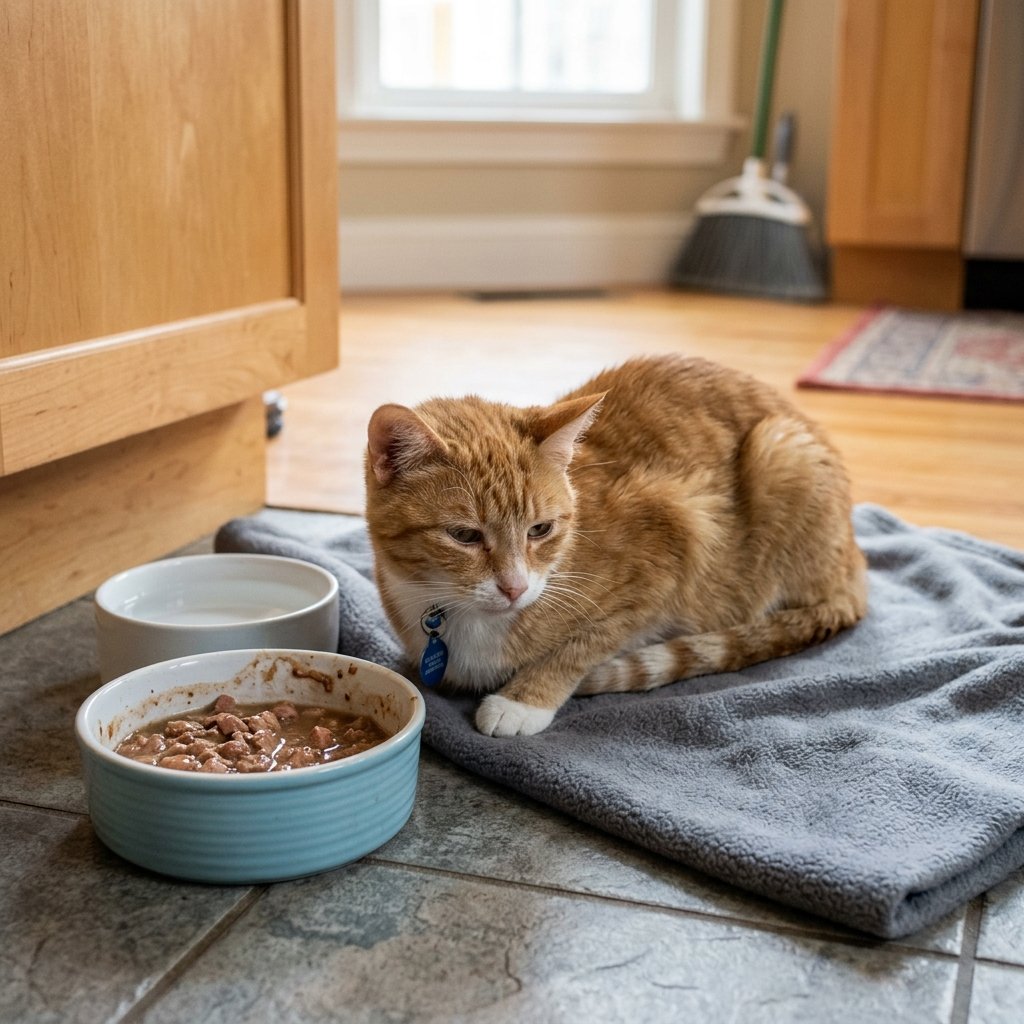
A cat that suddenly stops eating can be in serious trouble, and in many cases you should contact a vet quickly rather than waiting to “see if it passes.” This guide explains six common reasons your cat may not be eating, what you can safely try at home, and when it becomes an emergency.
Introduction: Why Loss of Appetite Is Serious in Cats
Unlike some other animals, cats cannot safely go without food for long periods. Going more than 24–48 hours without eating can lead to serious complications, including a life‑threatening condition called hepatic lipidosis (fatty liver).
Loss of appetite (also called inappetence or anorexia) is a symptom, not a disease, so the real goal is to find out why your cat is not eating. Causes range from stress and minor stomach upset to serious illnesses like kidney disease, dental problems, or gastrointestinal obstructions.
1. Medical Illnesses That Make Eating Difficult
Many internal medical conditions can cause nausea, pain, or general malaise, which naturally makes a cat less interested in food. These issues often come on gradually, but appetite loss can be one of the first signs you notice at home.
Common medical causes include:
- Kidney disease (especially in older cats), which causes nausea and increased thirst.
- Gastrointestinal disorders such as inflammatory bowel disease, pancreatitis, parasites, or intestinal cancer.
- Liver disease, which can both cause and result from poor appetite.
- Systemic illness like diabetes, hyperthyroidism, or infections.
What to Watch For
Look for other symptoms that might point to an underlying illness:
- Vomiting or diarrhea
- Weight loss or muscle wasting
- Drinking much more or much less water
- Lethargy, hiding, or changes in behavior
- Bad breath, yellow gums, or changes in urination
What You Can Do
If your cat’s appetite is reduced for more than 24 hours, or if they show any of the symptoms above, arrange a veterinary appointment as soon as possible. Your vet may recommend blood tests, urine tests, imaging, or other diagnostics to identify the cause and prescribe specific treatment.
Practical example:
A 10‑year‑old cat begins eating only half her usual portion and is drinking a lot more water. Over a couple of weeks, she loses weight and seems less active. Blood work at the vet reveals early kidney disease; with diet changes and medication, her appetite and energy improve.
2. Dental and Mouth Pain
Dental disease is one of the most common and under‑recognized reasons cats stop eating or eat less. Painful teeth, inflamed gums, oral ulcers, or tumors in the mouth can make chewing very uncomfortable.
Signs of mouth pain include:
- Dropping food from the mouth while trying to eat
- Favoring soft or wet food over dry kibble
- Pawing at the mouth or face
- Bad breath, drooling, or bleeding from the gums
- Vocalizing or running away from the bowl when trying to eat
What You Can Do
You usually cannot solve dental pain at home, and delaying treatment prolongs suffering. A veterinarian should examine your cat’s mouth and may recommend professional dental cleaning, extractions, or biopsy of any concerning masses.
While you are waiting for the appointment, offering soft, warmed wet food may help them eat a little more comfortably, but this is not a substitute for dental care.
Practical example:
A 5‑year‑old cat who has always eaten dry food suddenly starts licking gravy but leaving the chunks behind. A vet exam shows a broken tooth and inflamed gums; after extraction and dental cleaning, the cat returns to normal eating within days.
3. Gastrointestinal Upset and Obstruction
Anything that affects the stomach and intestines can reduce appetite. Mild stomach upset from eating something unusual may pass quickly, but more serious problems like foreign bodies or severe inflammation require urgent care.
Common GI causes include:
- Parasites
- Gastroenteritis or colitis
- Pancreatitis
- Constipation or digestive obstruction (string, toys, hair ties)
- GI cancers
What to Watch For
GI problems often come with additional signs:
- Vomiting foam, food, or hair
- Diarrhea or very hard stools
- Straining in the litter box
- Painful abdomen, crying when picked up
- Sudden hiding or aggression when touched
What You Can Do
If vomiting, diarrhea, or signs of abdominal pain accompany appetite loss, contact your vet the same day. An obstruction in particular is an emergency and may require imaging and surgery. Avoid giving human medications, which can be toxic to cats or worsen the problem.
Practical example:
An indoor cat starts playing with a ribbon and later refuses dinner, then vomits and hides under the bed. At the emergency clinic, X‑rays reveal the ribbon stuck in the intestines; surgery removes it, and the cat recovers after several days.
4. Stress, Anxiety, and Changes in Routine
Cats are creatures of habit, and stress is a very common reason for reduced appetite—even in otherwise healthy cats. Changes that seem small to you can feel huge to your cat.
Stress‑related causes include:
- Moving to a new home or rearranging furniture
- New pets or people in the household
- Changes in feeding schedule or food location
- Loud noises, renovations, or guests
- Trips to the vet or recent boarding
What to Watch For
Along with eating less, a stressed cat may:
- Hide more than usual
- Become more irritable or vocal
- Groom excessively or not enough
- Eliminate outside the litter box
What You Can Do
To help a stressed cat eat:
- Place food and water in a quiet, safe area away from noise and other animals.
- Stick to consistent feeding times and routines.
- Offer familiar food instead of switching diets during stressful events.
- Provide hiding spots, vertical spaces, and calm, predictable interactions.
Veterinarians or behaviorists may also recommend pheromone diffusers or, in some cases, medication for anxiety.
Practical example:
After a new puppy arrives, a cat begins skipping meals and hiding under the bed. The owner moves the cat’s feeding station to a separate quiet room and uses a pheromone diffuser; within a week, the cat’s appetite and confidence return.
5. Food Issues: Taste, Smell, and Sudden Diet Changes
Sometimes the problem is not your cat’s health, but the food itself. Cats are sensitive to smell and texture, and they often dislike sudden changes.
Common food‑related reasons include:
- Sudden switch to a new brand or flavor
- Food that is stale, expired, or has been stored improperly
- Food served too cold from the refrigerator
- Change from wet to dry, or vice versa, without a gradual transition
What You Can Do
You can make the food more appealing and transitions less stressful:
- Warm wet food slightly to enhance aroma (mix well and test temperature).
- Add a small amount of tuna juice or low‑sodium chicken broth for extra smell.
- Introduce new food gradually over 7–10 days by mixing small amounts into the old food.
- Check expiry dates and storage; discard any food that smells off.
If your cat refuses a new diet completely, speak to your vet about safe alternatives rather than forcing a long hunger strike.
Practical example:
A cat happily eating one dry food suddenly refuses it after the owner changes to a “healthier” brand overnight. Mixing the new food slowly into the old over a week results in the cat accepting the change with minimal fuss.
6. Recent Vaccinations, Medications, or Minor Short‑Term Causes
Some cats experience a brief dip in appetite after routine events. In many cases this is mild and temporary, but monitoring is still important.
Short‑term causes include:
- Recent vaccinations
- Motion sickness or stress from travel
- Beginning a new medication
- Mild self‑limiting stomach upset
What You Can Do
If your cat otherwise seems bright, comfortable, and is still drinking, you can:
- Offer a favorite food or a small portion of warmed wet food.
- Keep things calm and quiet for a day or two.
- Follow any post‑vaccination or medication instructions from your vet.
However, if appetite does not improve within 24 hours, or your cat develops additional symptoms such as vomiting, lethargy, or swelling at the injection site, contact your vet.
Practical example:
After annual vaccines, a cat naps more and eats only half its dinner. The next day the cat is back to normal, and no further action is needed; if the reduced appetite had continued, a recheck visit would have been appropriate.
Safe Home Steps to Encourage Your Cat to Eat
While you arrange veterinary care or support a cat with a mild appetite reduction, a few safe strategies may help.
Simple Appetite‑Boosting Ideas
- Warm the food slightly to boost aroma.
- Offer strong‑smelling foods like canned fish or specialized recovery diets recommended by your vet.
- Add a little tuna juice or broth (without onions, garlic, or excess salt) to regular food.
- Keep bowls clean; stainless steel or ceramic bowls are easiest to disinfect.
- Provide fresh, accessible water sources; some cats drink more from water fountains.
Important Safety Notes
- Do not force‑feed without guidance; done incorrectly, it can cause choking or food aspiration.
- Do not give human medications, including over‑the‑counter pain relievers or anti‑nausea drugs.
- Remember that these are short‑term supports, not a replacement for diagnosing the cause.
When Is a Cat Not Eating an Emergency?
Knowing when to wait a few hours and when to rush to the vet can save your cat’s life.
Seek urgent or emergency care if:
- Your cat has not eaten at all for 24 hours, especially if overweight or previously ill.
- Appetite has been reduced for up to 3 days or more.
- Appetite loss is accompanied by vomiting, diarrhea, difficulty breathing, or collapse.
- The abdomen is painful, swollen, or your cat cries when touched.
- Your cat is very lethargic, hiding constantly, or breathing rapidly.
If you are unsure, it is always safer to call your vet or local emergency clinic for advice.
Expert Tips for Protecting Your Cat’s Appetite and Health
Veterinary nutrition and behavior experts emphasize prevention and early action.
Pro tips:
- Schedule regular veterinary checkups, especially for cats older than 7, to catch kidney, dental, or metabolic disease early.
- Weigh your cat monthly at home (using a scale and subtracting your weight) to spot gradual weight loss before it becomes obvious.
- Introduce any new food over at least a week to reduce the risk of GI upset or refusal.
- Maintain a calm, predictable environment with safe hiding places and vertical spaces to reduce chronic stress.
- Work with a vet or certified behaviorist if stress, multi‑cat tension, or environmental changes repeatedly affect your cat’s eating.
Frequently Asked Questions
How long can a cat safely go without eating?
Most sources recommend contacting your vet if your cat has eaten nothing for 24 hours, or significantly less than normal for up to three days. Cats are prone to hepatic lipidosis when they stop eating, particularly if they are overweight.
What if my cat is not eating but still drinking water?
This can still indicate a problem, such as kidney disease, GI illness, or dental pain. Drinking while not eating is better than refusing both, but you should still seek veterinary advice within 24 hours if the behavior continues.
Can I wait to see if my cat starts eating again on its own?
A short delay (a few hours) may be reasonable if your cat is otherwise bright, playful, and shows no other symptoms. However, if they skip more than one meal or show any signs of illness, do not wait—call your vet.
Are appetite stimulants safe for cats?
Veterinarians sometimes prescribe appetite stimulants for cats with chronic illnesses, but they should never be used as a substitute for diagnosing the underlying cause of poor appetite. Only use these medications under direct veterinary supervision.
Is it normal for an older cat to eat less?
Older cats may have lower energy needs, but a noticeable drop in appetite is not something to ignore. Senior cats are more prone to diseases that suppress appetite, so a vet visit is important.
Conclusion
A cat refusing food is not just “being picky”—it is a warning sign that something physical or emotional may be wrong. From dental pain and kidney disease to stress and sudden diet changes, appetite loss deserves prompt attention and, in many cases, professional veterinary care.
If your cat has stopped eating or is eating noticeably less, start by observing for other symptoms, offering safe appetite‑boosting support, and contacting your veterinarian within 24 hours if there is no clear, short‑term explanation. Early action can prevent serious complications and get your cat feeling comfortable, happy, and hungry again.
If you are worried about your own cat right now, your best next step is to call your local vet or emergency clinic and describe what you are seeing—they can tell you whether your cat needs to be seen urgently and what to do in the meantime.