
Cat Pregnancy Guide: 4 Stages, Early Signs and Essential Care
Cat Pregnancy Guide: 4 Stages, Early Signs and Essential Care
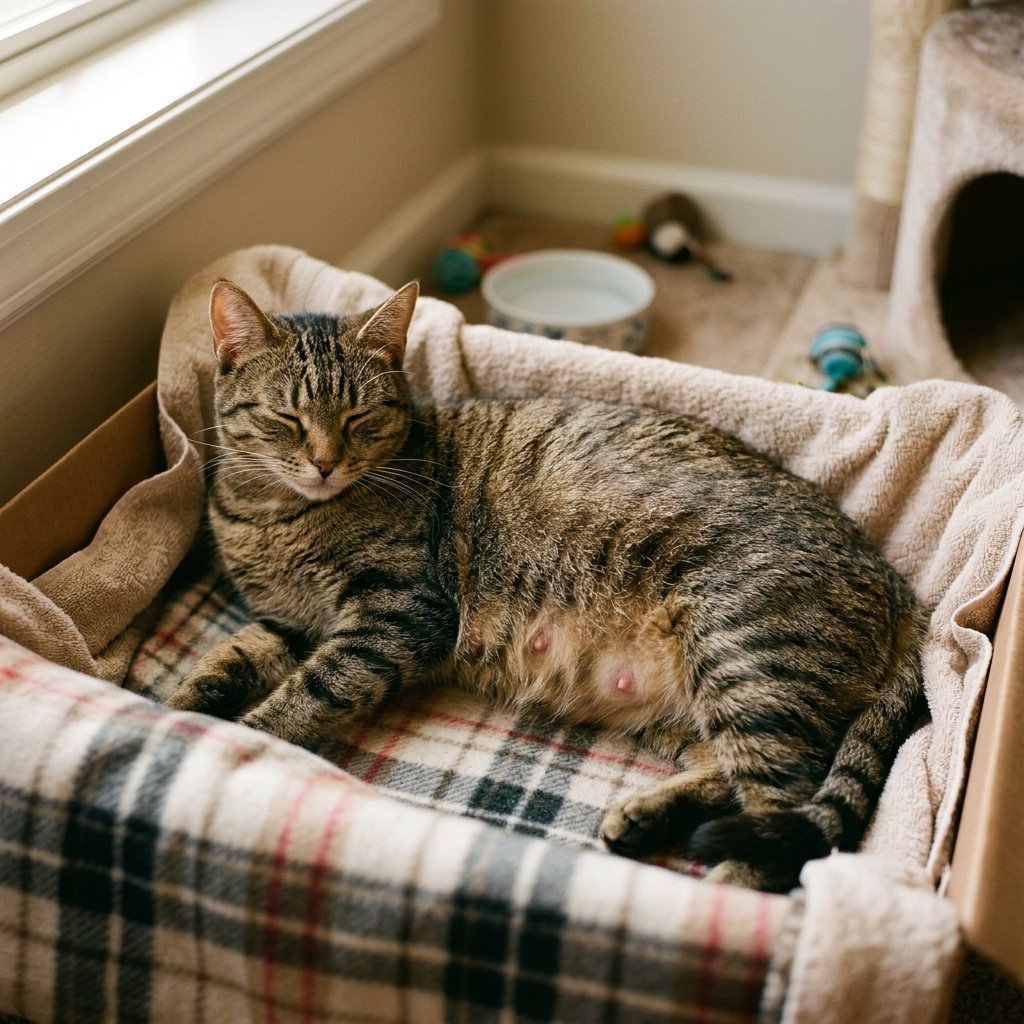
Stages Of Cat Pregnancy: 4 Phases, Signs And Care Essentials
If you suspect your cat might be pregnant, you’re probably excited, a little nervous, and full of questions. How long are cats pregnant? What signs should you watch for? How can you keep your expecting feline safe and comfortable?
This guide breaks cat pregnancy down into four clear stages, explains the key signs at each phase, and gives you practical care tips so you’ll know exactly what to expect—from the first subtle changes to the moment the kittens arrive.
Understanding Cat Pregnancy Basics
Cat pregnancy (also called gestation) typically lasts about 63–65 days, or roughly nine weeks. Most vets break this time into stages or trimesters, since both the mother and the kittens change rapidly throughout the pregnancy.
An unspayed female cat can become pregnant very easily once she reaches sexual maturity, which can be as early as four to six months of age. If you didn’t plan the pregnancy, it’s still important to focus on healthy care now—and consider spaying in the future to prevent repeated litters.
Stage 1: Early Pregnancy (Weeks 1–3)
During the first phase, it’s often hard to tell that anything has changed—both behavior and body shape may look almost normal. Much of the action is happening inside, as fertilized eggs implant and begin developing into embryos.
Early Pregnancy Signs
Some cats show very faint signs in the first three weeks:
- Slight increase in appetite
- Mild “morning sickness” (occasional vomiting or decreased appetite)
- A little more sleep or subtle changes in behavior
Around the third week, one of the earliest visible signs appears: the nipples enlarge and turn a deeper pink color, a change often called “pinking up.”
Care Essentials in Stage 1
- Schedule a vet visit: If you suspect pregnancy, a vet can often confirm it by palpation or ultrasound after a couple of weeks.
- Avoid medications and chemicals: Always check with your vet before using flea treatments, dewormers, or other drugs during pregnancy.
- Maintain a stable routine: Keep stress low and avoid major changes at home, which can unsettle your cat.
Practical example:
Your usually independent cat starts eating a bit more and sleeping in your bed every night. Two weeks later, you notice her nipples look larger and pinker than usual—this combination of signs prompts a vet visit, where pregnancy is confirmed by exam.
Stage 2: Mid Pregnancy (Weeks 4–6)
By the middle of pregnancy, the signs become much easier to spot. The kittens are growing quickly, and the mother’s body is visibly changing to support them.
Mid-Pregnancy Signs
Common signs between weeks 4 and 6 include:
- Noticeable weight gain, especially around the abdomen
- Firm, rounded belly that continues to grow
- Nipples that remain large and pink
- Increased appetite and thirst
- More affectionate or, in some cats, more private behavior
A veterinarian may be able to feel the kittens gently during this stage, although they will avoid pressing too hard to protect the fetuses.
Care Essentials in Stage 2
- Upgrade nutrition: Vets typically recommend switching to a high‑quality kitten food as soon as pregnancy is confirmed, because it has extra calories and nutrients.
- Feed smaller, frequent meals: As the kittens grow, there is less room for the stomach, so several small meals often work better than one or two large ones.
- Keep her indoors: Especially from mid‑pregnancy onward, keep your cat inside to prevent accidental injury or giving birth outdoors.
Practical example:
At week 5, your cat’s belly has become rounder, and you notice she finishes her bowl quickly and comes back looking for more. Your vet suggests moving to kitten food and splitting her daily portion into three or four smaller meals.
Stage 3: Late Pregnancy (Weeks 7–8)
In the third phase, your cat looks obviously pregnant. The kittens are much larger, and you may even see or feel gentle movements when she is resting.
Late-Pregnancy Signs
Typical signs during weeks 7 and 8 include:
- Very round, enlarged abdomen
- More pronounced swaying of the belly when walking
- Stronger nesting behavior—seeking quiet, safe spaces
- Increased or fluctuating appetite
- More rest and sleep, sometimes with periods of restlessness
Many cats start “nesting” at this stage, looking for cozy, hidden spots like closets, under beds, or inside boxes to prepare for birth.
Care Essentials in Stage 3
- Prepare a nesting box: Provide a clean, comfortable box or bed in a quiet room, lined with blankets or newspaper that you can easily wash or replace.
- Minimize stress and handling: Avoid picking her up unnecessarily, and keep children and other pets away from her chosen nesting area.
- Continue high‑quality nutrition and hydration: Make sure she has easy access to food and fresh water near her resting place.
Practical example:
Your cat keeps disappearing into your wardrobe and curling up on your folded clothes. Recognizing this as nesting behavior, you set up a cozy, lined box in a quiet room, and she quickly chooses it as her preferred spot.
Stage 4: Pre-Labor & Labor (Week 9 and Birth)
The final phase covers the last days of pregnancy and the birth (queening) itself. Most cats deliver around day 63, although a normal range is about 63–65 days from mating.
Signs Your Cat Is Close to Labor
In the day or two before labor, you may see:
- Increased restlessness and pacing
- Spending more time in the nesting area
- Decreased appetite or refusal of food
- Drop in body temperature (your vet can explain how to check safely)
- Increased grooming of the genital area
- Possible small amount of clear or reddish discharge
During active labor, common signs include:
- Strong, visible abdominal contractions
- Vocalizing or crying
- Passing of the first kitten, followed by others at intervals
- Licking and cleaning each kitten and the surrounding area
Care Essentials During Labor
- Stay nearby but calm: Most cats handle birth well on their own. Watch from a respectful distance unless there’s a problem.
- Keep the environment quiet: Dim lights, reduce noise, and keep other pets and people out of the room.
- Know when to call the vet: If your cat strains strongly for more than 20–30 minutes with no kitten, or if she seems very distressed, call your vet immediately.
Practical example:
Your cat becomes restless one evening, moving in and out of her nesting box and refusing dinner. A few hours later, you notice rhythmic abdominal contractions and soft meowing. You stay nearby, and she safely delivers her kittens over the next couple of hours, cleaning each one as it’s born.
Key Signs of Cat Pregnancy at a Glance
Many owners ask, “How can I tell if my cat is pregnant?” Here are the most common signs across the stages:
- Weeks 1–3: Possible mild vomiting, subtle appetite change, more sleep, “pinking up” of nipples
- Weeks 4–6: Noticeable weight gain, rounder abdomen, larger nipples, increased appetite
- Weeks 7–8: Very round belly, more nesting behavior, more rest, occasional restlessness
- Week 9: Nesting intensifies, appetite may drop, restlessness, genital licking, labor signs
If you notice several of these signs together—especially pink nipples and weight gain—schedule a vet visit to confirm pregnancy and discuss care.
Essential Care Tips for Pregnant Cats
Supporting your cat properly through pregnancy helps keep both her and the kittens safe.
Nutrition and Hydration
- Feed a high‑quality kitten food once pregnancy is confirmed, and continue through nursing.
- Offer multiple small meals per day, especially in later stages when the abdomen is crowded.
- Provide fresh water at all times, ideally near her favorite resting spots.
Environment and Comfort
- Keep her indoors in the later stages to prevent accidental outdoor birth or injury.
- Prepare a warm, draft‑free nesting area in a quiet room, with washable bedding.
- Limit stressful changes and loud noises, especially in the last two weeks.
Veterinary Care and Safety
- Schedule at least one prenatal vet visit to confirm pregnancy, discuss deworming, vaccinations, and nutrition.
- Avoid over‑the‑counter medicines or flea products unless your vet specifically approves them.
- Keep your vet’s emergency number handy in case of problems during labor.
When to Call the Vet Urgently
Most cat pregnancies and births go smoothly, but some signs mean you should seek veterinary help right away.
Contact your vet or an emergency clinic if you notice:
- Straining in active labor for more than 20–30 minutes without a kitten appearing
- More than 2 hours between kittens with your cat still straining or clearly in distress
- Foul‑smelling discharge or heavy bleeding at any point
- Complete loss of appetite, severe lethargy, or repeated vomiting during pregnancy
- Difficulty breathing, collapse, or extreme pain
When in doubt, it’s always safer to call your vet and describe what you’re seeing. They can tell you whether it’s normal or needs immediate attention.
Expert Tips for First-Time Cat Parents
Vets and experienced breeders often emphasize a few key points for smooth cat pregnancies.
Pro tips:
- Plan ahead for the cost and responsibility of caring for kittens, including vaccinations, deworming, and finding responsible homes.
- Keep a notebook or phone log of dates (suspected mating, first signs, vet visits) to help estimate due date and track changes.
- Limit handling of your pregnant cat’s belly, especially in mid and late pregnancy, to avoid stressing or injuring her.
- After birth, monitor the kittens’ weight gain and the mother’s appetite and behavior, and call your vet if anything seems off.
- Consider spaying after the kittens are weaned if you do not intend to continue breeding, to prevent repeated pregnancies and health risks.
Frequently Asked Questions About Cat Pregnancy
How long are cats pregnant?
Cats are usually pregnant for about 63–65 days, or around nine weeks, from mating to birth.
How soon can I tell if my cat is pregnant?
Many owners first notice signs around three weeks, when the nipples enlarge and turn pink. A vet may be able to confirm pregnancy around this time using palpation or ultrasound.
Can my cat still go into heat while pregnant?
It’s unusual but possible for hormonal behavior to be confusing early on. If you notice signs of heat or are unsure whether your cat is pregnant, consult your vet for a proper exam.
Should I change my pregnant cat’s diet right away?
Once pregnancy is confirmed, most vets recommend gradually transitioning to kitten food over a week to avoid digestive upset, then keeping her on it through nursing.
Do I need to stay with my cat while she gives birth?
You don’t have to hover, but it’s wise to be nearby and available in case of complications. Many cats prefer privacy, so watch quietly from a distance and only intervene if your vet advises it.
Conclusion
Understanding the four stages of cat pregnancy—early, mid, late, and labor—helps you spot important signs, provide the right care at the right time, and know when a situation needs urgent veterinary help. With good nutrition, a calm environment, and basic preparation, most cats carry and deliver their kittens safely with minimal stress for everyone involved.