
Cat Dementia: 7 Early Signs and Quality‑of‑Life Strategies
Cat Dementia: 7 Early Signs and Quality‑of‑Life Strategies
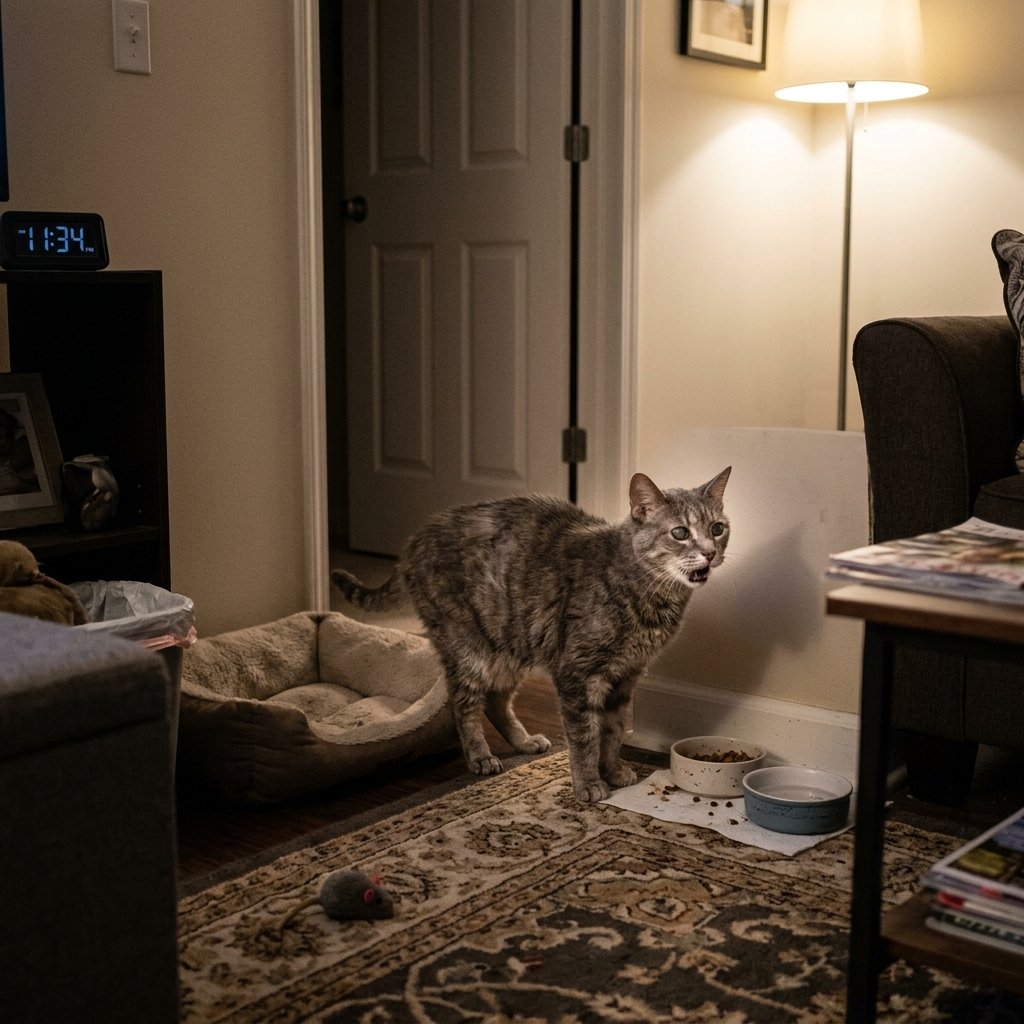
Cat dementia (feline cognitive dysfunction) is a degenerative brain disease in older cats that leads to confusion, memory problems, and behavior changes, similar to dementia in humans. It’s estimated that a large proportion of cats over 15 show at least some signs of cognitive decline.
Although there is no cure, recognizing the early signs means you can work with your vet to slow progression and maintain a good quality of life for your cat for as long as possible.
7 Early Signs of Cat Dementia
Veterinarians often use checklists like DISHAAL (Disorientation, social Interactions, Sleep‑wake changes, House‑soiling, Activity changes, Anxiety, Learning/memory) to identify cognitive dysfunction in cats. Below are seven key early signs to watch for at home.
1. Disorientation and Getting Lost
Cats with dementia can become confused in familiar places: they may wander aimlessly, get “stuck” in corners, or go to the wrong side of the door and seem unsure how to proceed. You might notice your cat staring blankly at walls or furniture or appearing unsure of the location of their litter tray or food bowl.
This spatial disorientation often shows up subtly at first—taking longer than usual to navigate rooms or hesitating at doorways.
2. Changes in Social Interactions
A once‑independent cat may suddenly become very clingy, following you around and demanding more attention, or the opposite might happen: a social cat may withdraw and seem to avoid family members. Some cats appear not to recognize familiar people or pets, which can lead to irritability or unexpected aggression.
These shifts in how your cat seeks or avoids contact are often one of the first changes guardians notice.
3. Sleep–Wake Cycle Disturbances
Senior cats with dementia often sleep more during the day and become restless or active at night. Night‑time pacing, wandering, and vocalizing are classic signs, sometimes accompanied by a cat seeming confused about whether it’s time to eat or interact.
Owners sometimes assume this is “just old age,” but altered sleep patterns are a hallmark of cognitive dysfunction.
4. House‑Soiling and Litter Box Changes
Forgetting previously learned toilet habits is another common early sign. A cat with dementia may urinate or defecate just outside the litter box, in random spots, or appear unsure how to step into the tray.
Because house‑soiling can also indicate medical issues such as kidney disease, arthritis, or urinary problems, any change in litter box use warrants a thorough veterinary exam.
5. Increased Vocalization, Especially at Night
Loud, persistent meowing or howling—particularly at night or in otherwise quiet situations—is strongly associated with feline dementia. The cat may vocalize as if distressed, even when food, water, and the litter box are available, likely reflecting confusion, anxiety, or altered perception.
This can be very disruptive to the household, but it’s important to see it as a symptom of brain changes, not “bad behavior.”
6. Changes in Activity Levels and Grooming
Some cats become less playful and less inclined to explore, while others may pace or wander aimlessly. You might notice reduced grooming leading to a dull, matted coat, or in some cases, repetitive licking of certain areas.
Changes in activity and self‑care often reflect both cognitive decline and possible joint pain, so they’re another reason to schedule a senior checkup.
7. Learning, Memory, and Routine “Mistakes”
Cats with dementia may forget routines they have followed for years, such as where their food bowl is, when mealtimes happen, or how to use a cat flap. They may ask for food moments after eating or seem unable to learn new cues, routes, or locations in the house.
These learning and memory problems can be subtle in the beginning, so tracking changes over time is helpful.
Getting a Diagnosis: When to See the Vet
Why You Should Not Self‑Diagnose
Many signs of cat dementia—like house‑soiling, vocalization, or sleep changes—overlap with other conditions such as hyperthyroidism, kidney disease, arthritis, or pain. Your vet’s job is to rule out treatable medical causes through physical exams, bloodwork, and other tests before confirming cognitive dysfunction.
Early veterinary involvement can uncover health problems that, once treated, may significantly improve your cat’s comfort and behavior.
What to Expect at the Vet Visit
Your vet will typically:
- Take a detailed history of behavior changes and routines.
- Perform a thorough physical and neurological exam.
- Recommend lab tests (blood, urine, possibly blood pressure) to check for other age‑related diseases.
In some cases, the vet may use structured checklists or scoring tools to assess cognitive function and monitor progression over time.
Quality‑of‑Life Strategies for Cats With Dementia
Once your cat is diagnosed—or strongly suspected—to have cognitive dysfunction, your goal shifts to maximizing comfort, safety, and emotional wellbeing.
1. Create a Safe, Predictable Environment
Cats with dementia cope better when their surroundings and routines remain consistent. Helpful steps include:
- Avoid rearranging furniture or frequently changing the layout of key rooms.
- Keep food, water, beds, and litter trays in the same, easy‑to‑reach places.
- Use nightlights in hallways and near litter boxes to reduce nighttime disorientation.
Consistency helps reduce confusion and anxiety in disoriented cats.
2. Make Everyday Resources Easy to Access
Mobility and orientation can decline together, so accessibility becomes crucial. Consider:
- Providing low‑sided litter boxes on each floor, in quiet, obvious locations.
- Adding ramps or pet steps to help your cat reach favorite elevated spots without jumping.
- Using non‑slip mats on slippery floors to prevent falls and hesitancy.
These adjustments support both physical comfort and cognitive confidence.
3. Support Brain Health Through Diet and Supplements
Diets formulated for senior or “brain health” support may help slow cognitive decline. Many such diets are enriched with antioxidants, omega‑3 fatty acids, and other nutrients thought to protect neurons from damage.
Discuss with your vet whether a prescription senior diet, omega‑3 supplements, or other targeted nutritional support is appropriate for your cat’s age and medical status.
4. Provide Gentle Mental and Physical Stimulation
Mental stimulation can help maintain cognitive function and slow decline in many cats. Good options include:
- Short, low‑stress play sessions that mimic hunting, using wand toys or small soft toys.
- Simple puzzle feeders or food‑dispensing toys that encourage sniffing and problem‑solving.
- “Hide and seek” exploration games with treats placed in clearly accessible locations.
Intensity should be tailored to your cat’s energy, vision, and joint health so that activities are enjoyable, not exhausting.
5. Manage Anxiety and Night‑Time Howling
Anxiety is common in cats with dementia and may show up as restlessness, hiding, or loud vocalization at night. You can help by:
- Keeping a stable, calm daily routine and feeding schedule.
- Offering safe, cozy hiding spots and quiet resting areas around the home.
- Using nightlights and, in some cases, pheromone diffusers to create a more reassuring environment.
If anxiety is severe or constant, your vet may suggest medications or supplements to reduce distress and improve sleep.
Assessing Quality of Life and Difficult Decisions
Using Quality‑of‑Life Frameworks
Veterinary quality‑of‑life (QOL) scales often focus on key categories such as pain, hunger, hydration, hygiene, happiness, mobility, and “more good days than bad.” Regularly reflecting on each area helps you and your vet track whether your cat is still experiencing more comfort than suffering.
Watching trends over time—rather than single bad days—makes it easier to make compassionate, informed decisions.
When to Discuss Euthanasia
For some cats, dementia eventually progresses to the point where they are persistently disoriented, anxious, unable to rest or groom, and frequently soiling themselves despite all supportive measures. When distress outweighs enjoyment most days, your vet may gently raise the topic of euthanasia as a humane option.
While these conversations are heartbreaking, planning ahead and understanding your cat’s QOL helps ensure they do not endure prolonged suffering.
Expert Tips for Caring for a Cat With Dementia
- Keep a behavior diary
Note changes in sleep, vocalizations, toileting, appetite, and interactions to share with your vet and track progression. - Schedule senior wellness checks at least every 6–12 months
Frequent vet visits help detect new medical problems early and adjust care plans as your cat’s needs change. - Be patient and avoid punishment
Dementia‑related behaviors like night howling or accidents are not deliberate; punishment increases fear and confusion. - Focus on small comforts
Warm, cozy beds near family activity, gentle grooming, and quiet companionship all add up to a better day‑to‑day life. - Look after yourself too
Caring for a cognitively impaired pet can be emotionally exhausting; seeking support from your vet team, friends, or pet loss support groups can help.
Frequently Asked Questions (FAQ)
At what age do cats typically develop dementia?
Many signs of cognitive decline appear in senior cats around 11–15 years, and the condition becomes more common in cats older than 15. Not all older cats will develop dementia, but age is a major risk factor.
Is cat dementia curable?
No, feline cognitive dysfunction is not currently curable, but its symptoms can often be managed and progression may be slowed with environmental changes, diet, and sometimes medications. Early recognition gives you the best chance to support your cat’s brain health.
How is cat dementia treated?
Treatment usually combines managing other medical issues, switching to a senior or brain‑supportive diet, offering mental enrichment, and possibly using medications or supplements to improve blood flow or reduce anxiety. Your vet will tailor a plan to your cat’s overall health and lifestyle.
Are my cat’s nighttime howls from dementia or something else?
Night‑time vocalization is common in dementia but can also be caused by pain, hypertension, hyperthyroidism, or sensory loss like poor vision or hearing. A vet exam and appropriate tests are essential to rule out these treatable causes.
How do I know when my cat’s quality of life is too poor?
Look at pain, ability to eat and drink, hygiene, mobility, anxiety, enjoyment of interactions, and whether there are still clearly “good days.” If distress or confusion dominates most days despite supportive care, it may be time to discuss next steps, including humane euthanasia, with your vet.
Conclusion
Cat dementia is a progressive condition, but it does not mean your cat cannot still experience comfort, affection, and moments of joy. By recognizing early signs, working closely with your veterinarian, and making thoughtful changes at home, you can significantly improve your senior cat’s quality of life and navigate the later years with compassion and confidence.