
Betta Fish Care: Complete Guide to Tank Setup, Diet, and Health
Betta Fish Care: Complete Guide to Tank Setup, Diet, and Health
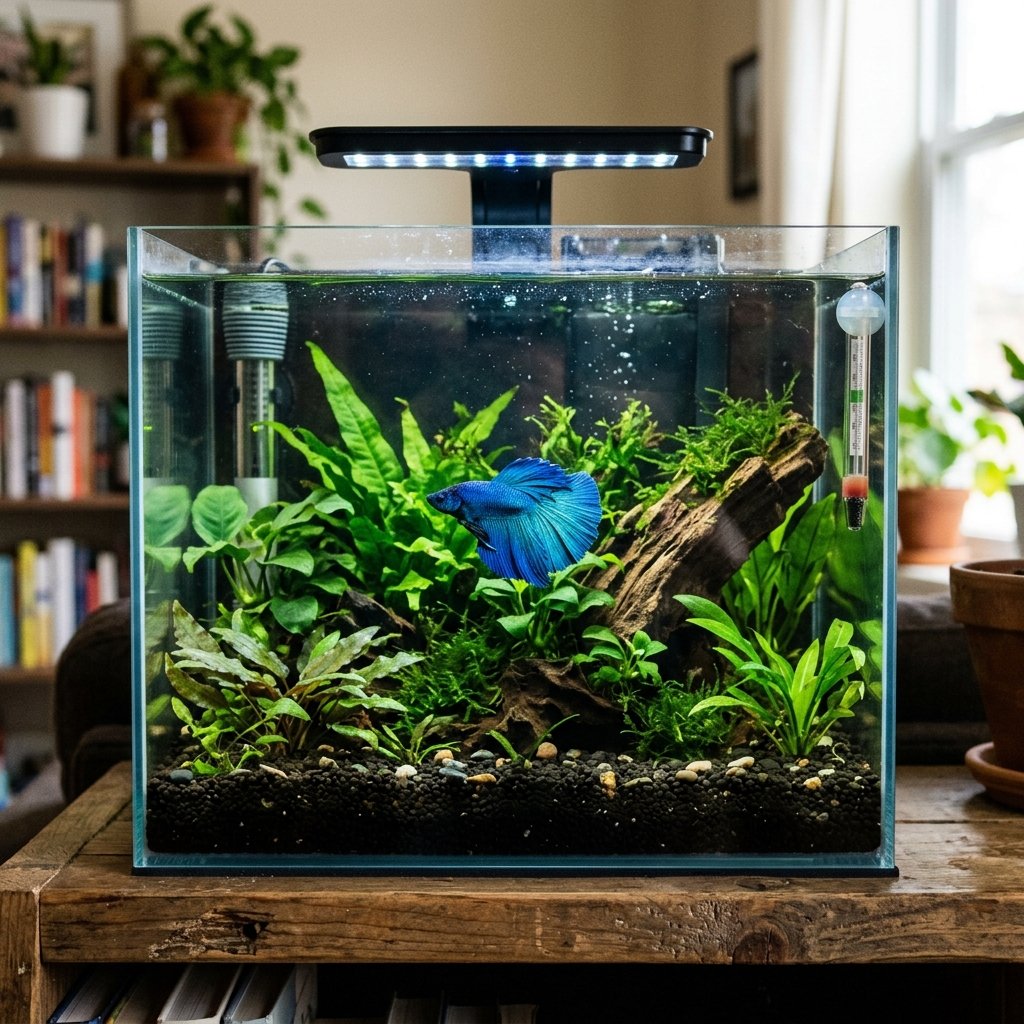
Betta fish are often sold in tiny cups or vases, which makes them look “low‑maintenance,” but this setup is stressful and can drastically shorten their lifespan. In reality, bettas are tropical fish that need warm, stable water, gentle filtration, and enough space to swim and explore.
This complete guide walks you through proper betta tank setup, feeding routines, and health basics so you can keep your betta vibrant and active for years.
Betta Tank Setup: Size, Equipment, and Water
Minimum Tank Size and Shape
While bettas are small, they do best in an aquarium of at least 2.5–3 gallons, and many experts recommend 5 gallons or more for easier water stability. Larger horizontal tanks are better than tall, narrow ones because bettas prefer side‑to‑side swimming and regularly surface to breathe air.
A secure lid is essential, as bettas are capable jumpers and can leap out of open containers.
Heater, Filter, and Water Conditions
Bettas are tropical fish native to warm, slow‑moving waters, so they need heated, clean water in captivity.
Key parameters:
- Temperature: about 76–82°F (24–28°C) with a reliable heater and thermometer.
- Filter: gentle, low‑flow filtration so long fins are not battered by strong currents.
- Water: dechlorinated tap water or conditioned water; avoid untreated tap or pure distilled water without remineralization.
- pH: roughly 6.5–7.8 and, more importantly, stable and close to your source water’s pH.
Always set up and run the tank with heater and filter for at least a day before adding your betta, so temperature and equipment can stabilize.
Substrate, Plants, and Decorations
A comfortable, enriched environment helps bettas feel secure and reduces stress.
- Substrate: 1–2 inches of rinsed aquarium gravel or sand is typical.
- Plants: live or silk plants with soft, fin‑friendly leaves—like anubias and java fern—offer hiding spots and resting areas.
- Decor: smooth caves, logs, and driftwood; avoid sharp, rough, or metal objects and flaking painted ornaments that can tear fins or alter water chemistry.
Leave open swimming space and avoid crowding the surface, as bettas use a labyrinth organ to gulp air from the top of the tank.
Water Quality and Maintenance
Cycling and Testing Your Betta Tank
A healthy betta tank relies on beneficial bacteria to convert toxic ammonia from fish waste into less harmful compounds. This process—called cycling—takes time, and using bottled bacteria starters and regular testing helps protect your fish during the early weeks.
Test weekly for:
- Ammonia and nitrite (should be at zero).
- Nitrate (keep as low as possible through water changes).
- pH (stable is more important than “perfect”).
Water Changes and Cleaning Schedule
Regular partial water changes remove waste and keep your betta’s environment stable.
A simple routine:
- Daily: quick check of equipment, temperature, and fish behavior.
- Weekly: test water; change about 15–25% of the water; siphon the substrate with a gravel vacuum.
- Monthly: clean algae from glass and decor and service filter media according to manufacturer instructions (never wash media in tap water, use tank water).
Avoid full‑tank water changes unless absolutely necessary, as they remove beneficial bacteria and cause stressful parameter swings.
Betta Diet: What, How Much, and How Often
What Do Betta Fish Eat?
In the wild, bettas are carnivorous and eat insects and small invertebrates, so they need a high‑protein diet in captivity. The main staple should be quality betta‑specific pellets with a high protein content.
Occasional treats can include:
Treat foods should complement, not replace, a balanced pellet diet.
How Much and How Often to Feed
Overfeeding is one of the most common betta care mistakes and can lead to obesity and poor water quality.
General guidelines:
- Feed once or twice per day, offering only as many pellets as about the size of your betta’s eye (usually 2–5 pellets).
- Remove uneaten food after a few minutes so it doesn’t rot and foul the water.
- You can replace a pellet meal with frozen or freeze‑dried foods 1–2 days per week as a special treat.
Watch your betta’s body shape; a constantly swollen belly or lethargy after meals may signal overfeeding.
Betta Health: Common Problems and Warning Signs
Common Betta Health Issues
Many betta health problems are linked to poor water quality, stress, or improper housing. Frequent conditions include:
- Fin rot: ragged, fraying fins often caused by bacteria in dirty or cold water.
- Ich (white spot disease): tiny white spots on the body and fins, usually related to sudden temperature shifts or new infected fish/plants.
- Velvet: gold or rust‑colored dusting on the body, plus clamped fins and scratching.
- Swim bladder issues: difficulty swimming upright, floating or sinking, often tied to constipation or infections.
Prompt treatment and improved environment are key to successful recovery.
Early Warning Signs to Watch For
Check your betta daily for:
- Lethargy or unusual hiding.
- Loss of appetite or spitting out food.
- Clamped fins, color fading, or visible damage to fins.
- Gasping at the surface constantly or hanging near the filter output.
- White spots, fuzzy patches, or odd growths.
If you notice several of these signs, test your water immediately and contact an aquatic‑experienced vet or reputable fish health resource.
Expert Tips and People‑Also‑Ask Questions
Can Betta Fish Live in Bowls?
Very small unheated bowls can keep a betta alive for a while, but they don’t provide the stable temperature and water quality needed for long‑term health, and many experts consider them inhumane. A properly heated and filtered aquarium of at least a few gallons is far better.
Do Betta Fish Need a Filter and Heater?
Yes—bettas are tropical fish and thrive in warm, clean water with stable parameters, which are nearly impossible to maintain without a heater and gentle filtration. The filter should not create strong currents, especially for long‑finned varieties.
Can Betta Fish Have Tank Mates?
Some bettas can live peacefully with small, calm tank mates in larger, well‑planted aquariums, but many are too territorial or stressed by other fish. Never house two male bettas together, and avoid fin‑nippers or bright, flashy species that may trigger aggression.
How Long Do Betta Fish Live?
With good care—proper tank size, warm clean water, and correct diet—betta fish often live around 3–5 years, and sometimes longer. Poor husbandry dramatically shortens their lifespan, so environment matters far more than many beginners realize.
How Often Should I Clean My Betta Tank?
In a properly filtered and cycled tank, aim for small partial water changes of about 15–25% once a week, with substrate vacuuming and glass cleaning as needed. Very small or unfiltered containers need more frequent maintenance, which is another reason a larger tank is actually easier to keep healthy.
Conclusion
Betta fish care is simple but not “minimal”: they need adequate space, warm and stable water, gentle filtration, and a high‑protein betta‑specific diet to stay healthy and show their best colors. By investing in a proper tank setup, establishing a regular maintenance and feeding routine, and watching for early health warning signs, you can transform a betta from a sad cup fish into a lively, interactive pet that becomes a centerpiece of your home.