
Dog Bee Sting First Aid: 5 Essential Steps For Your Pup
Dog Bee Sting First Aid: 5 Essential Steps For Your Pup
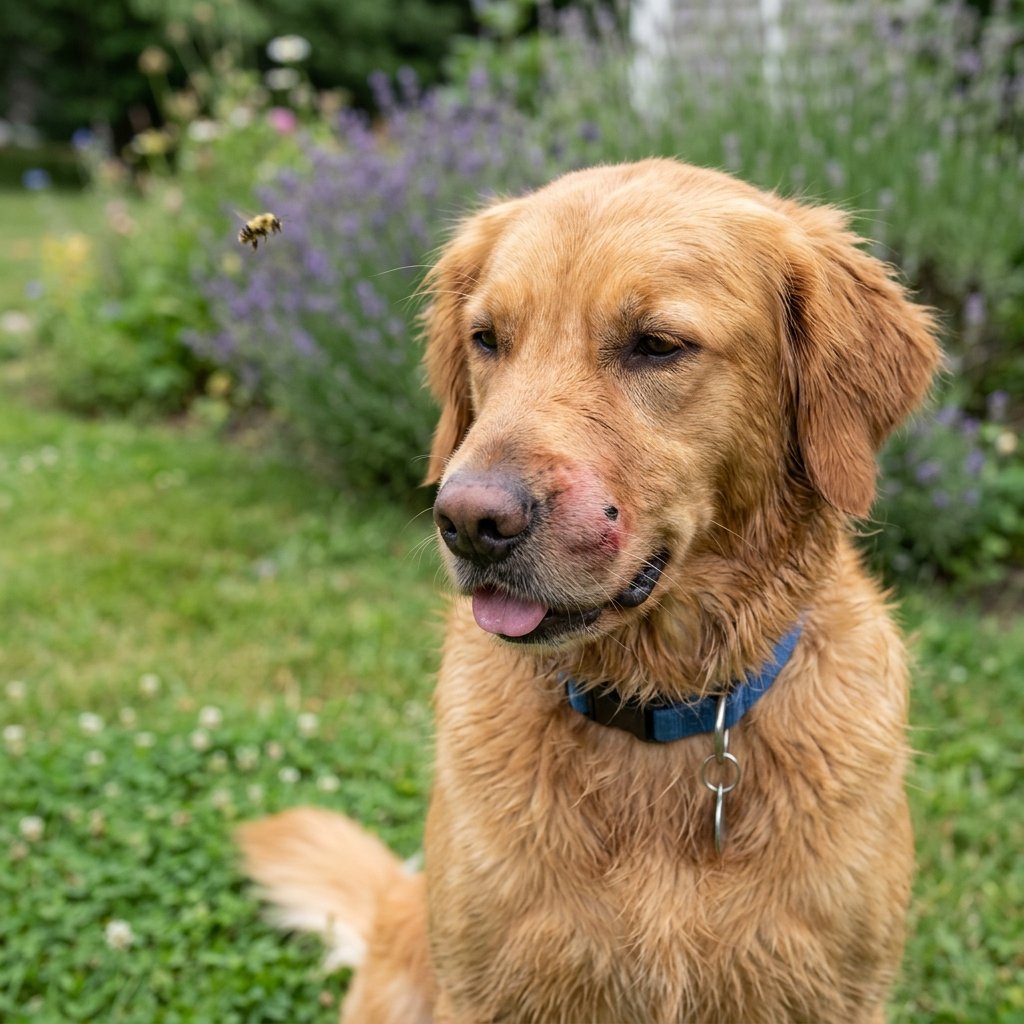
If your dog is stung by a bee, the key first aid steps are to stay calm, remove the stinger, cool the area, keep your dog calm, and monitor closely for any signs of an allergic reaction. Knowing exactly what to do in those first few minutes can reduce pain, limit swelling, and might even save your dog’s life in the case of a severe reaction.
Introduction: Why Dog Bee Sting First Aid Matters
Curious, playful dogs often chase buzzing insects, and a bee sting can happen in seconds. While many stings remain mild and just cause local swelling and pain, some can trigger dangerous allergic reactions or become an emergency, especially if the sting is on the face, mouth, or throat.
Having a simple, clear first aid plan means you will know exactly what to do instead of panicking, which helps both you and your pup stay safer and calmer. In this guide, you will learn the 5 essential steps to take right away, how to spot an emergency, and when to call the vet.
Step 1: Stay Calm and Move Your Dog to Safety
Your first reaction sets the tone for your dog. If you panic, your dog is more likely to panic too. A frightened, painful dog may run, hide, or snap, which makes treatment and monitoring much harder.
- Speak softly and calmly, and gently move your dog away from the area where the sting happened.
- If you suspect a disturbed hive or multiple bees, call your dog to you rather than running in yourself, to avoid more stings to both of you.
- Once you are in a safe place, put your dog in good light so you can inspect the body for the sting site.
This calm, controlled start helps you quickly find the problem and decide what to do next.
Step 2: Find and Remove the Stinger
Bees usually leave a stinger behind, while wasps typically do not, so you may or may not see a stinger. Removing a bee stinger quickly helps reduce how much venom enters your dog’s body.
How to locate the sting
Common sting locations include paws (from stepping on a bee), the muzzle, lips, or face (from sniffing or snapping at bees). Look for:
- A small red or swollen area
- Your dog licking, chewing, or scratching a particular spot
- A tiny dark dot that may be the stinger sticking out
How to safely remove the stinger
Veterinary and first-aid resources recommend removing the stinger as soon as possible, but gently.
You can:
- Use something stiff and flat, like a credit card or a piece of card, to scrape across the skin and flick the stinger out.
- Avoid squeezing the venom sac attached to the stinger, as that can inject more venom.
Some sources allow careful use of tweezers if you can grasp the stinger below the venom sac, but squeezing is a risk, so scraping is often preferred as the simplest, safest method for most owners.
If your dog will not let you near the area, or the sting is in the mouth, eye, or throat, call your vet for help instead of struggling and risking a bite or additional injury.
Step 3: Cool and Soothe the Sting Area
Once the stinger is out (or if there was not one), focus on reducing pain and swelling. Cooling the area and using simple topical care can provide a lot of relief.
Cold compress or ice pack
- Wrap an ice pack or bag of frozen peas in a thin cloth and gently hold it on the sting site for about 5–10 minutes at a time.
- Never apply ice directly to your dog’s skin because extreme cold can damage tissue.
- If your dog feels uncomfortable, use a cool, damp towel instead.
Baking soda paste
Many vet-backed resources recommend a simple paste of baking soda and water to soothe bee stings.
- Mix a small amount of baking soda with water into a thick paste.
- Gently dab it onto the sting site and let it sit for a few minutes if your dog tolerates it.
This can help neutralize the acidic venom from bees and reduce irritation.
Step 4: Keep Your Pup Calm and Prevent Scratching
Physical activity can increase blood flow and spread venom more quickly around the body, and scratching or chewing can make the sting worse or cause infection.
Limit activity
- Try to keep your dog resting for a while after the sting, especially if the sting is on a leg or paw.
- Avoid rough play, running, or long walks until swelling begins to settle.
Stop licking and scratching
- If your dog keeps licking or scratching the sting site, you may need an Elizabethan collar (cone) or an inflatable collar to protect the area.
- Distract your dog with a chew toy, food puzzle, or gentle cuddles while you watch for a reaction.
Keeping your dog calm also makes it easier to notice any new symptoms that might signal a more serious reaction.
Step 5: Watch for Allergic Reactions and Call the Vet
Many dogs only experience mild, localized swelling and pain that you can manage at home. However, some dogs can develop moderate to severe allergic reactions that require prompt veterinary care.
When home care is usually enough
If your dog:
- Has a single sting on the body or limb
- Shows mild swelling and discomfort only at the sting site
- Acts mostly normal (alert, breathing normally, no vomiting or collapse)
…you can usually manage at home with stinger removal, cooling, and careful observation.
You should still:
- Call your vet to ask whether you should give an antihistamine such as diphenhydramine (Benadryl) and for the exact dosage based on your dog’s weight.
- Monitor your dog closely for the next several hours to ensure symptoms do not worsen.
Never give human medication without your vet’s guidance, as doses and safety can differ significantly for dogs.
Signs of a serious reaction (emergency)
Seek urgent veterinary help immediately if you see any of the following warning signs:
- Rapidly increasing swelling, especially around the face, muzzle, lips, eyes, or throat.
- Difficulty breathing, noisy breathing, or your dog holding the neck extended.
- Pale gums, collapse, weakness, or disorientation.
- Vomiting, diarrhea, or drooling alongside swelling and hives.
- Multiple stings (e.g., your dog disturbed a hive or nest).
These can indicate anaphylaxis, a severe allergic reaction that can be life-threatening without immediate veterinary treatment.
If in doubt, it is always safer to call your vet or an emergency clinic for advice.
Practical Examples: Bee Sting Scenarios and What To Do
Example 1: Paw Sting on a Walk
You are walking your dog in the park, and suddenly they yelp and start limping, licking one paw. You see a small swollen spot and possibly a stinger.
What you do:
- Move to a quiet area and calmly restrain your dog.
- Scrape out any visible stinger with a credit card.
- Apply a cold compress for several minutes.
- Call your vet about antihistamines and monitor your dog for the rest of the day.
Example 2: Facial Sting at Home
Your dog snaps at a bee in the garden and then develops swelling around one side of the muzzle.
What you do:
- Get your dog indoors, stay calm, and locate the sting site.
- Remove the stinger if present, using a scraping motion.
- Apply a wrapped ice pack and a baking soda paste if your dog allows it.
- Watch the swelling closely; if it spreads rapidly or affects breathing, go to the vet immediately.
Example 3: Multiple Stings From a Disturbed Hive
Your dog runs through a shrub and comes out yelping, with multiple bees flying around.
What you do:
- Call your dog away rather than running in, to avoid more stings.
- Once safe, quickly remove any visible stingers and apply cool compresses.
- Go to the vet promptly, as multiple stings raise the risk of severe reaction and venom load.
Expert Tips to Be Prepared Before a Sting Happens
- Create a mini pet first-aid kit that includes gauze, a clean cloth, instant cold pack, baking soda, and your vet’s emergency contact numbers.
- Ask your vet in advance about safe antihistamines and doses for your dog’s weight, and note them down for emergencies.
- Train a calm “stay” and “let me look” cue so your dog is used to you checking paws and face, which makes sting checks much easier.
- Know your local insect risks—in some areas, certain bees or wasps may be more aggressive, and vets there will have specific advice.
- If your dog has had a serious reaction before, talk to your vet about carrying special emergency medication or an action plan.
FAQ: Dog Bee Sting First Aid
How can I tell if my dog was stung by a bee?
Look for sudden yelping, limping, paw lifting, or your dog licking or chewing at one spot, often followed by local swelling and redness.
Should I always remove the stinger?
Yes, if you can see it and reach it safely, remove the stinger quickly by scraping with a credit card or similar flat object to reduce venom exposure.
Can I give my dog Benadryl for a bee sting?
Many vets use diphenhydramine (Benadryl) for allergic reactions, but you must call your vet first for approval and an exact dose for your dog.
How long does swelling last after a bee sting?
Mild swelling often improves within a few hours and continues to settle over 24–48 hours; if it worsens or does not improve, see your vet.
When is a bee sting an emergency?
Any breathing trouble, rapid or widespread swelling (especially on the face or throat), collapse, or multiple stings is an emergency needing immediate veterinary care.
Conclusion
A bee sting can be frightening, but with a simple 5-step plan—stay calm, remove the stinger, cool the area, keep your dog calm, and watch closely for reactions—you can handle most stings confidently and know when to get emergency help. Taking just a little time today to prepare a pet first-aid kit and save your vet’s emergency number will make a huge difference if your pup ever tangles with a bee.