
Dog Constipation: Causes, Symptoms, and Effective Treatments
Dog Constipation: Causes, Symptoms, and Effective Treatments
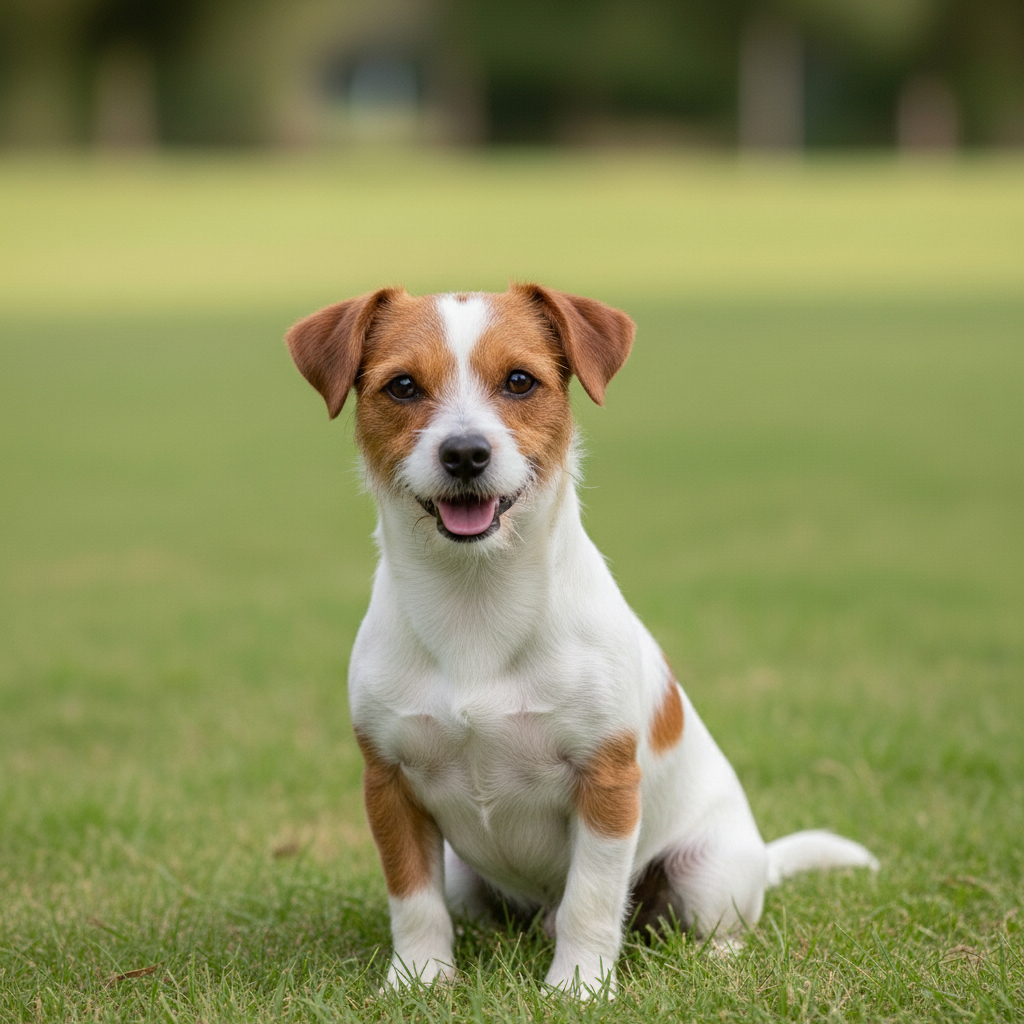
Constipation can happen to any dog, no matter their age or breed. It often leads to discomfort and straining when they try to go. Spotting the signs early and addressing the cause promptly can help prevent serious problems like obstipation or megacolon.
What Is Dog Constipation?
A dog is constipated when it has trouble passing hard, dry stools or hasn’t pooped for more than 48 hours. Unlike the occasional firm stool, real constipation means your dog tries to go but can only pass a little or nothing at all, and it’s often painful.
Constipation is not the same as obstipation, which is a serious blockage that needs a vet right away. Older dogs, big breeds like German Shepherds, and dogs with trouble moving are more likely to get constipated because their digestion is slower.
Common Signs Your Dog Is Constipated
Keep an eye out for these signs when your dog goes outside. Catching constipation early often means you can fix it before it gets worse.
- Straining or “scooting” with little to no stool output.
- Hard, pebble-like feces or mucus-covered droppings.
- Visible abdominal bloating or discomfort when touched.
- Loss of appetite, vomiting, or lethargy.
- Frequent unproductive trips outside, circling without result.
- Excessive licking around the rear end.
If your dog’s symptoms last more than 24 to 48 hours, or if your dog seems to be in pain, contact your vet right away to check for blockages.
Primary Causes of Constipation in Dogs
Many things can slow down your dog’s digestion and make the stools hard. Figuring out what’s causing the problem helps you choose the right solution.
Diet is a common cause. Low-fiber foods, sudden changes in your dog’s diet, or swallowing things like bones, fabric, or toys can block the intestines. Not drinking enough water makes things worse, especially in hot weather or if your dog eats salty snacks.
Other culprits include:
- Lack of exercise is common in apartment-dwelling or senior dogs.
- Matted fur from excessive grooming, trapping hair in stools.
- Anal gland impactions or infections can cause pain during defecation.
- Medical conditions like hypothyroidism, enlarged prostate, kidney disease, or spinal injuries disrupt nerve signals.
- Medications (e.g., opioids), anesthesia recovery, stress, or age-related colon enlargement.
Breeds with long coats, like Shih Tzus, or those prone to obesity, need vigilant monitoring.
Diagnosing Constipation at Home and with a Vet
Begin by keeping track of how often your dog poops. Most dogs go between one and five times a day, depending on their diet and size. Gently feel your dog’s belly to check for firmness, but don’t try to force anything.
Veterinarians use physical exams, X-rays, bloodwork, or ultrasounds to detect obstructions, tumors, or pelvic trauma. In-office anal gland expression and fecal analysis pinpoint infections or parasites.
Safe Home Remedies for Mild Cases
If your dog is only mildly constipated and has no serious symptoms, you can try these vet-recommended tips. Make any changes slowly to prevent diarrhea.
Help your dog stay hydrated by offering fresh water or even ice cubes. Try to give about one ounce of water per pound of body weight each day. You can also add moisture by feeding wet food or low-sodium broth.
Incorporate fiber safely:
- 1-4 tablespoons plain canned pumpkin (not pie filling) mixed into meals.
- A teaspoon of psyllium husk (like Metamucil, unflavored) per 10 pounds of body weight.
- Wheat bran sprinkled on food, starting small.
Take your dog for a 20 to 30-minute walk on a leash after meals to get things moving. You can also add a small amount of olive oil—one teaspoon for every 20 pounds of body weight—to help lubricate the gut for a short time.
| Remedy | Dosage Guideline | Best For | Precautions |
| Canned Pumpkin | 1 tsp per 10 lbs, 1-2x/day | Fiber boost | Plain, no spices; limit to 3 days |
| Psyllium Husk | 1 tsp per 20 lbs in water | Bulking stool | Mix well; ensure extra water |
| Exercise | 2-3 short walks daily | Motility | Avoid overexertion in seniors |
| Olive Oil | 1 tsp per 20 lbs, once | Lubrication | Not for frequent use; monitor stools |
Don’t give your dog milk unless you know they can handle it. Most adult dogs are lactose intolerant, and milk can cause problems.
When to See a Vet Urgently
Go to the vet right away if home remedies don’t work after 48 hours, or if your dog is vomiting, very tired, has blood in their stool, or hasn’t pooped in three days. These signs could indicate a serious problem, such as constipation or megacolon.
Puppies, older dogs, or dogs with health problems need to see a vet right away. Never try to give your dog an enema at home, as this can cause injury or upset their body’s balance.
Professional Veterinary Treatments
Vets tailor plans based on severity. Mild cases get stool softeners, laxatives like lactulose, or motility drugs to stimulate contractions.
Dehydration receives IV or subcutaneous fluids. Enemas (phosphate or soapy, vet-administered) safely clear blockages. High-fiber prescription diets from Hills or Royal Canin support long-term management.
Surgery addresses tumors, foreign objects, or megacolon via colon resection. Anal gland issues may need flushing or expression. Follow-up includes probiotics for gut health restoration.
Preventing Recurring Dog Constipation
Consistency prevents most episodes. Feed a balanced, high-fiber diet suited to your dog’s life stage—rotate proteins like chicken or salmon for variety.
- Ensure constant access to water; use fountains for picky drinkers.
- Make sure your dog gets daily exercise that fits their breed. For example, active dogs like Labs need about 60 minutes each day.
- Groom regularly to prevent hair ingestion; trim fur around the anus.
- Annual vet checkups catch issues like prostate enlargement early.
Transition foods over 7-10 days. Probiotics like FortiFlora maintain microbiome balance.
Long-Term Management for Chronic Cases
Dogs with hypothyroidism or neurological issues need lifelong meds and monitoring. Obese pets benefit from weight-loss plans; pelvic trauma survivors use supportive slings.
Track bowel movements in a journal for patterns. Holistic add-ons, such as omega-3 fatty acids from fish oil, help reduce inflammation.
FAQs
How long can a dog go without pooping?
Typically 48-72 hours max; beyond that, see a vet to avoid obstipation.
What home remedy works fastest for dog constipation?
Canned pumpkin (1-2 tsp) adds fiber quickly; pair with a walk.
Is milk safe for constipated dogs?
Small amounts of goat milk may help; cow milk often causes diarrhea.
Can diet alone cause dog constipation?
Yes, low-fiber or dehydrating foods can harden stools.
When is dog constipation an emergency?
If straining >48 hours, vomiting, or bloating occurs—go to the vet now.