
Dog’s Stomach is Gurgling! Causes and Concerns
Dog’s Stomach is Gurgling! Causes and Concerns
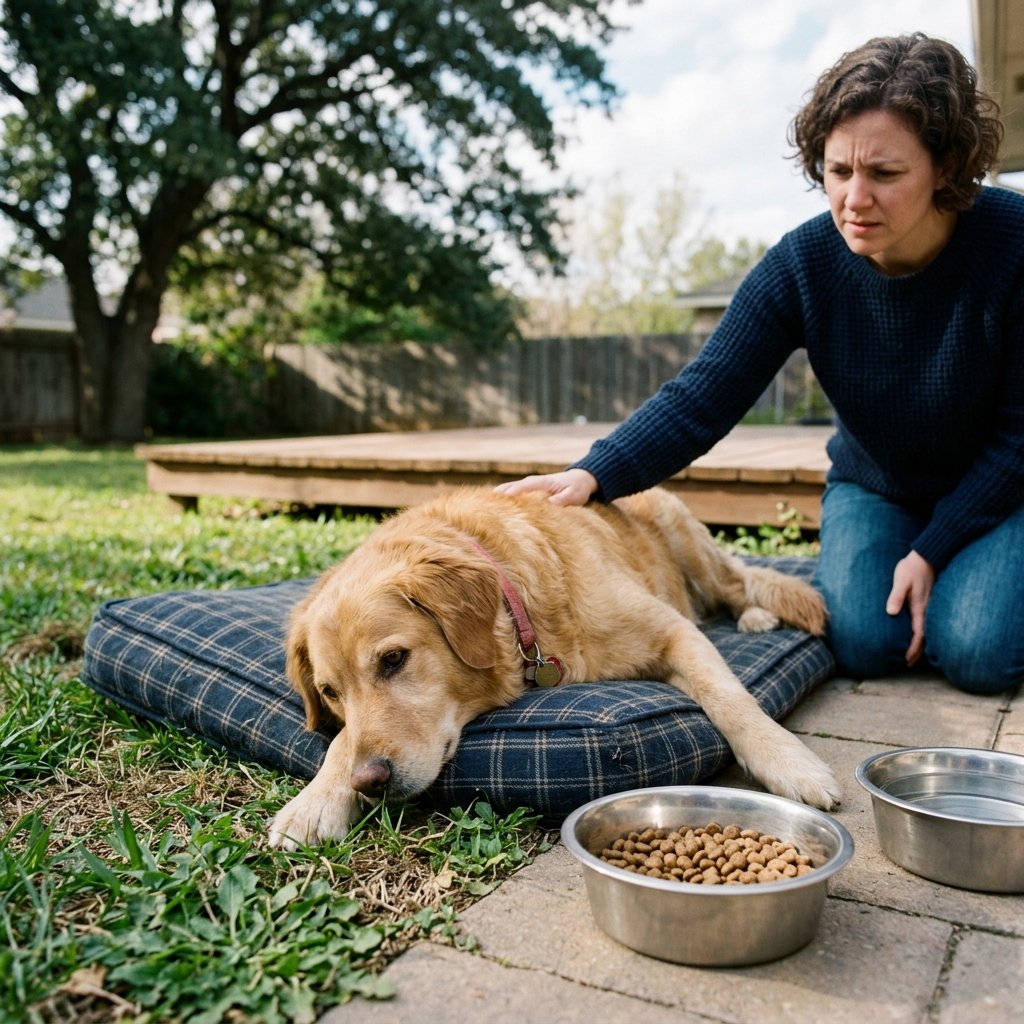
A dog’s gurgling stomach (called borborygmi) is usually just gas and fluid moving through the gut during normal digestion or when they are hungry, and often is not a problem. It becomes a concern when the noise comes with symptoms like not eating, vomiting, diarrhea, pain, or lethargy, which can signal more serious illness or even an emergency.
Introduction: What That Gurgling Sound Really Is
Those rumbling, gurgling, or “tummy growling” sounds are produced when gas and fluid move through your dog’s intestines as the muscles of the gut contract. Vets call this borborygmi, and every dog has some level of it as part of normal digestion.
You’re more likely to notice it when your house is quiet, your dog is lying close to you, or their stomach is empty so there’s less food to muffle the sound. The key is working out what is normal for your dog and when extra signs mean it is time to call the vet.
Common Causes of Dog Stomach Gurgling
1. Normal Digestion
As food moves along the gastrointestinal tract, the intestines squeeze it forward, pushing gas and liquid along and making rumbling sounds. In many healthy dogs, you can occasionally hear these noises after they’ve eaten, especially if you’re sitting with your head or hand on their belly.
If your dog is bright, happy, eating normally, with normal stools, this kind of mild gurgling is typically nothing to worry about.
2. Hunger
Just like in humans, an empty dog stomach can be noisy as digestive juices and gas move around in preparation for the next meal. You might hear louder rumbling if:
- It is close to meal time or you are behind schedule
- Your dog skipped a meal, was fasted for a procedure, or is on a new feeding routine
If your dog is otherwise well and the noise settles after a normal meal, hunger is a very likely explanation.
3. Swallowing Air (Eating Too Fast or Panting)
Dogs that bolt their food, gulp water, or pant heavily can swallow extra air, which then travels through the intestines and makes more noise than usual. This is especially common in enthusiastic eaters and some deep‑chested breeds.
Slow-feeder bowls, smaller meals, and calmer eating environments can reduce air swallowing and gurgling in these cases.
4. Dietary Indiscretion (“Garbage Gut”)
If your dog has been in the trash, eaten table scraps, swallowed something they shouldn’t, or had a sudden rich or fatty meal, their gut can become irritated. This often causes:
- Louder stomach gurgling
- Gas
- Mild diarrhea or soft stools
- Slightly off appetite or mild discomfort
Often this settles within 24 hours with rest, bland food, and careful monitoring, but it can tip into more serious gastroenteritis or obstruction in some dogs.
5. Food Intolerance or Sensitivity
Some dogs are sensitive to particular ingredients (e.g., certain proteins, lactose, high‑fat or highly processed foods), and their guts respond with extra gas, gurgling, and upset stools. You might notice:
- Recurrent noisy stomach after specific foods
- Intermittent soft stool or diarrhea
- Extra gas and sometimes itching or skin issues
These dogs often improve on a more digestible, consistent, or vet‑recommended diet, sometimes after a food trial.
6. Gastroenteritis and Gut Inflammation
Inflammation of the stomach and intestines (gastroenteritis) from infections, toxins, or diet changes can cause overactive intestines, leading to louder gurgling. This usually comes along with:
- Vomiting
- Diarrhea
- Loss of appetite
- Lethargy or your dog “not themselves”
Many mild cases resolve with supportive care, but severe or bloody diarrhea, ongoing vomiting, or a very quiet dog require prompt veterinary care.
7. Intestinal Parasites
Worms and other parasites can cause excess gas, gurgling, and changes in stool. Some dogs show:
- Weight loss or poor coat
- Intermittent diarrhea or mucus in stool
- Increased appetite or sometimes reduced appetite
Regular deworming and stool checks with your vet help catch and treat parasites before they cause bigger problems.
8. More Serious Conditions
Occasionally, stomach gurgling is a sign of a more serious issue such as:
- Inflammatory bowel disease (IBD)
- Gastrointestinal obstruction (foreign body/blockage)
- Pancreatitis
- Bloat/GDV (twisted stomach)
- Intestinal or abdominal tumors
- Liver or hormonal disease affecting the gut
These are usually accompanied by obvious illness (pain, vomiting, not eating, collapse, or major behavior changes) and are not just “noisy tummy” alone.
When You Should Worry: Red‑Flag Signs
Most mild gurgling with a bright, hungry dog is normal. You should be more concerned if the noises come with any of these signs:
- Refusing food or significant drop in appetite
- Vomiting (especially repeated or with blood)
- Diarrhea, black or bloody stools
- Marked lethargy, weakness, or collapse
- Abdominal pain (hunched posture, “prayer” pose, whining when touched)
- Excess drooling, restlessness, or panting without obvious cause
- A hard, swollen, or very tense abdomen
If your dog’s stomach is gurgling loudly and they are not eating, seem painful, or are vomiting/diarrheic, most vets recommend a same‑day or emergency visit.
What You Can Do at Home (And What Not to Do)
Safe steps for a bright dog with only mild gurgling
If your dog seems well otherwise, you can:
- Observe for 12–24 hours while allowing access to fresh water.
- Offer small, frequent meals or a bland diet (if recommended by your vet) rather than one big meal.
- Use a slow feeder or puzzle bowl if they tend to gulp food.
- Avoid rich treats, table scraps, or sudden food changes.
If the noises settle and your dog stays normal, it was likely benign digestion, hunger, or mild gas.
Things to avoid
- Do not give human medications like antacids or anti‑gas products without veterinary advice.
- Do not continue feeding normally if your dog is vomiting repeatedly or clearly painful—this can make some conditions worse.
- Do not wait days if your dog is not eating and has loud gurgling plus other symptoms; seeking early veterinary help often leads to better outcomes.
How Vets Investigate a Gurgling Stomach
If your vet is concerned, they will look at the whole picture rather than the noise alone.
They may:
- Take a detailed history (diet, recent changes, access to trash/toys, stress, medications).
- Perform a physical exam, including abdominal palpation and temperature.
- Run fecal tests for parasites and infections.
- Order blood tests to check organ function, hydration, and signs of inflammation.
- Use imaging (x‑ray or ultrasound) if they suspect a blockage, bloat, pancreatitis, or tumors.
Treatment then ranges from simple diet changes and dewormers to fluids, pain relief, and sometimes surgery, depending on the cause.
Expert Tips to Keep Your Dog’s Gut Quieter and Healthier
- Keep your dog on a consistent, good‑quality diet and avoid frequent brand or recipe switches.
- Use slow‑feeder bowls for fast eaters to reduce swallowed air and gassiness.
- Stick to dog‑appropriate treats; skip high‑fat scraps like cheese, fatty meats, and leftovers that often cause stomach upsets.
- Maintain regular parasite prevention and stool checks.
- For dogs with known sensitive stomachs, talk to your vet about long‑term diet strategies and whether probiotics might help.
FAQ: Dog Stomach Gurgling
Is it normal to hear my dog’s stomach gurgling?
Yes, occasional soft gurgling is normal and usually just gas moving through the intestines, especially after eating or when hungry.
When is a gurgling stomach an emergency?
It’s urgent if your dog has loud gurgling plus not eating, repeated vomiting, diarrhea (especially with blood), abdominal pain, lethargy, or a swollen, hard belly.
Should I feed my dog when their stomach is gurgling?
If they seem well and are hungry, small, normal meals are fine; if they are refusing food or look unwell, contact your vet before feeding.
Can grass‑eating cause stomach noises?
Grass can sometimes add to gurgling, but many dogs eat grass out of habit or boredom; it’s usually not a problem unless accompanied by vomiting or other illness.