
How to Stop a Dog’s Nail From Bleeding: Safe, Fast Home First Aid
How to Stop a Dog’s Nail From Bleeding: Safe, Fast Home First Aid
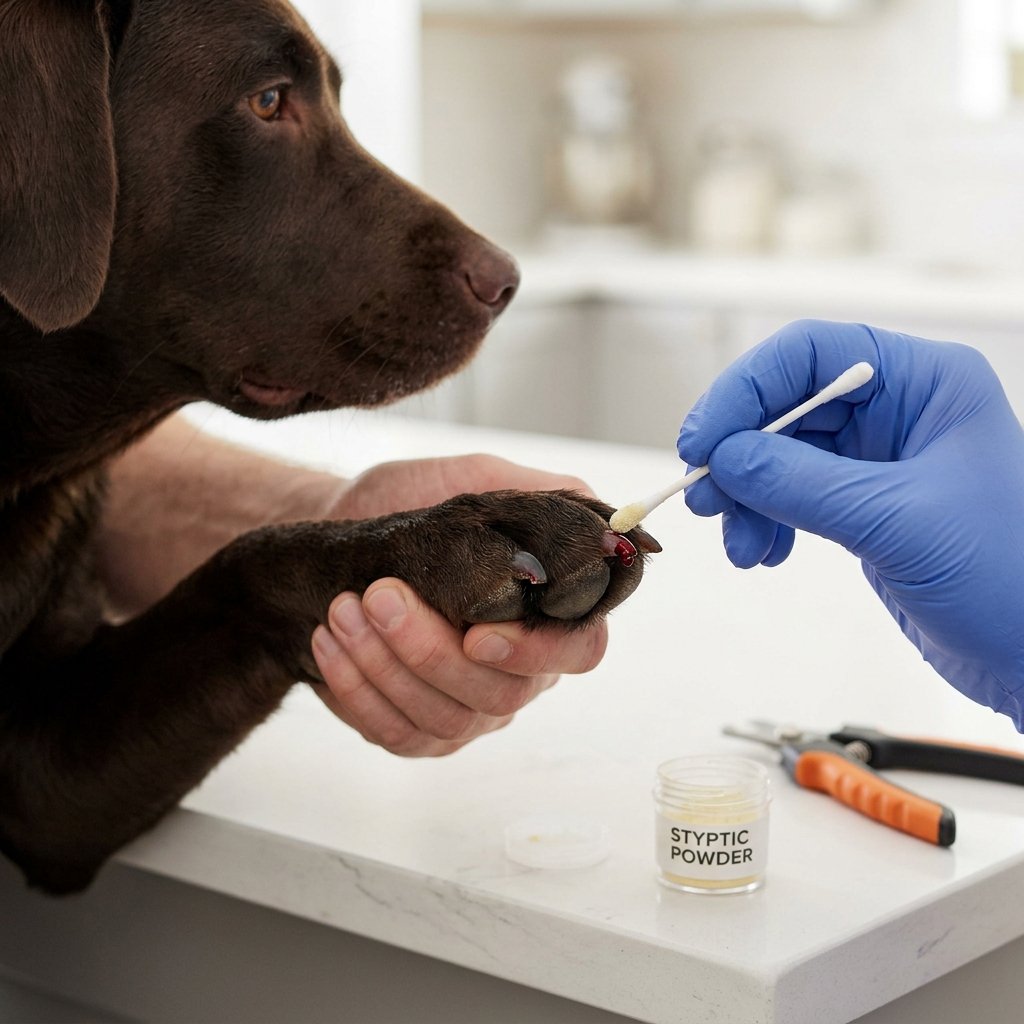
Cutting a dog’s nail too short or a broken, torn nail is one of the most common minor emergencies dog owners face. The bleeding can look dramatic because the “quick” (the blood‑ and nerve‑rich core of the nail) is very vascular and sensitive. With the right first‑aid steps and a few basic supplies, you can usually stop the bleeding at home and keep your dog comfortable.
This guide explains exactly what to do the moment you see blood, how to bandage the nail, when to call the vet, and how to avoid nail bleeding in the future.
Understanding Dog Nail Bleeding
What Is the “Quick” in a Dog’s Nail?
Inside each nail is a soft core of tissue called the quick, which contains blood vessels and nerves. When you cut or tear into this area, it causes pain and bleeding, similar to cutting into the skin at the tip of your finger.
In light or white nails, you can usually see the quick as a pink area inside the nail, while in black nails it’s hidden and must be judged more carefully.
Common Causes of a Bleeding Nail
- Nail trimmed too short (cutting into the quick).
- Nail snagged on carpet, fabric, decking, or a crate and torn.
- Naturally long nails that crack or split under pressure.
- Fragile nails due to underlying health or age (needs a vet check).
Some broken nails may be just small chips, while others may split up into the quick and require veterinary care.
Immediate First Aid: Step‑by‑Step
Step 1: Stay Calm and Safely Restrain Your Dog
Dogs pick up on your anxiety, so keeping a calm, steady tone helps keep them still and cooperative. Even a normally gentle dog might snap when in pain, so it’s wise to have another adult help hold or gently hug the dog, and use a muzzle if there is any risk of biting.
Safe restraint makes it easier to see the nail clearly and apply pressure or powder where you need it.
Step 2: Apply Direct Pressure to Control Bleeding
Use a clean cloth, gauze, or paper towel to gently wrap or press on the bleeding nail tip. Hold firm but not crushing pressure for a few minutes without constantly checking; lifting the cloth too often can restart bleeding.
If the nail is only oozing lightly, pressure alone may slow or stop the bleeding enough for the next step.
Home Methods to Stop a Dog’s Nail From Bleeding
Using Styptic Powder (Best Option)
Styptic powder is the most effective product for stopping a dog nail bleed quickly. It contains ingredients that constrict blood vessels and help blood clot.
How to use it:
- Place a small amount of styptic powder in your palm or a shallow dish.
- Dip the bleeding nail tip directly into the powder, or press a pinch of powder firmly onto the tip.
- Hold it there for several seconds; you can repeat once or twice if necessary.
Be prepared for a brief sting when the powder touches the exposed quick, so hold your dog securely and offer calm reassurance and treats.
Home Alternatives If You Don’t Have Styptic Powder
If you don’t have styptic powder on hand, several household items can help minor bleeding:
- Cornstarch or flour: Dip the nail into plain cornstarch or flour, or press some onto the tip to help form a clot.
- Cornstarch with baking soda: A 1:1 mix can be used similarly to styptic powder for small bleeds.
- A clean bar of scent‑free soap: Gently press or rub the nail tip onto a slightly softened bar to physically plug the bleeding surface.
- A damp tea bag: For very minor bleeding, pressing a cooled, damp tea bag on the nail may help due to the tannins.
These methods typically take longer and may not work as fast as commercial styptic products, but they often handle small nicks effectively.
Bandaging, Aftercare, and When to Call the Vet
Bandaging the Paw After Bleeding Slows
Once the bleeding has stopped or nearly stopped, you may want to bandage the paw to protect the nail and prevent your dog from licking it.
Basic bandaging steps:
- Gently clean dried blood from the surrounding fur with lukewarm water.
- Place a small sterile gauze pad over the nail tip.
- Wrap the paw lightly with gauze or a soft bandage, ensuring it’s snug but not tight enough to cut off circulation.
- Keep your dog as quiet as possible and off their feet for 20–30 minutes to avoid re‑opening the wound.
Check the bandage several times a day for moisture, swelling, or slipping, and replace it if it gets wet or soiled.
When a Bleeding Nail Is an Emergency
Call your veterinarian or emergency clinic if:
- The nail keeps bleeding steadily for more than 20–30 minutes despite pressure and clotting agents.
- The nail is badly torn, hanging, or split far up toward the base of the nail.
- Your dog is in significant pain, limping severely, or won’t bear weight on the paw.
- The toe becomes red, hot, swollen, or starts to ooze, suggesting infection.
Vets may need to trim away damaged nail, fully remove a broken section, apply pain relief, and sometimes prescribe antibiotics to prevent infection, especially when the nail bed is exposed.
Preventing Future Nail Bleeding
How to Trim Dog Nails Safely
Proper technique and the right tools dramatically reduce the risk of hitting the quick.
Key tips:
- Use sharp, dog‑specific nail clippers or a grinder; dull blades crush and can cause pain even without bleeding.
- For clear or white nails, avoid cutting into the visible pink quick.
- For black nails, trim only a small amount at a time (about 1 mm), and stop when you see a dark central dot on the cross‑section of the nail.
- Clip to just before the point where the nail curves down toward the floor, not into the curve.
Keeping nails trimmed regularly also prevents the quick from growing too far out, making it easier to keep them short over time.
Handling Nervous Dogs After a Bleeding Incident
A bleeding nail can make a dog fearful of nail trims. To rebuild confidence:
- Take a break from trimming for at least a day or two after the incident.
- Gradually reintroduce handling the paws with gentle touch and treats, without clipping.
- Pair every small step—showing the clippers, touching the nail, clipping one nail—with praise and high‑value treats.
For very anxious dogs, ask your vet or a professional groomer for help or a demonstration.
Expert Tips for Dog Nail First Aid and Safety
Keep a Simple Pet First Aid Kit Ready
Having supplies prepared makes nail bleeding far less stressful. Include:
- Styptic powder or pencil.
- Gauze pads and soft bandage wrap.
- Clean cloths or paper towels.
- A muzzle or soft fabric to use as a makeshift muzzle if needed.
- Dog‑safe nail clippers or a grinder.
Store these items near where you usually trim nails so they’re always within reach.
Learn to Spot When a Nail Needs a Vet, Not DIY
Expert care is safest when:
- The nail is broken high up near the base or the toe itself looks injured.
- Your dog won’t let you near the paw due to pain or aggression.
- The same nail keeps bleeding or breaking repeatedly, which might signal a deeper health issue.
Prompt veterinary treatment reduces pain, speeds healing, and prevents serious complications like bone infection from an exposed quick.
Frequently Asked Questions (FAQ)
What stops a dog’s nail from bleeding fast?
Styptic powder, gel, or pencil is the fastest and most reliable way to stop a dog’s nail from bleeding. It works by causing the blood vessels to constrict and helping the blood clot quickly. Cornstarch or flour can help in a pinch for minor bleeds.
How long should a dog’s nail bleed after being cut?
With proper pressure and a clotting agent, bleeding from a quicked nail should usually stop within a few minutes. If steady bleeding continues longer than 20–30 minutes despite treatment, you should contact your veterinarian or an emergency clinic.
Is a bleeding nail an emergency?
Most simple quick cuts are not life‑threatening and can be managed at home, but heavy or persistent bleeding, severe pain, or a badly torn nail can be an emergency. If you are unsure, err on the side of caution and call your vet for advice.
Can I walk my dog after a nail has been bleeding?
It is better to rest your dog and keep them off their feet for at least 20–30 minutes after the bleeding has stopped so the clot can stabilize. Avoid long walks, rough surfaces, or high‑energy play for a day if the nail was deeply cut or torn.
How can I avoid cutting the quick in the future?
Trim small amounts regularly, use bright lighting, and know where the quick is in your dog’s nails. For black nails, cut tiny slices until you see a pale, chalky outer shell with a darker central dot, and use that as your stopping point. Having a groomer or vet show you once can be very helpful.
Conclusion
A bleeding dog nail can look frightening, but with calm handling, direct pressure, and a clotting product like styptic powder or cornstarch, most minor nail injuries can be safely managed at home. Knowing when the bleeding or damage is too severe for DIY care—and getting prompt veterinary help in those cases—keeps your dog safe and prevents painful complications. With regular, careful nail maintenance and a small first‑aid kit on hand, you can greatly reduce the chances of serious nail problems in the future.