
How to Stop Cat Spraying: 8 Effective Vet-Backed Steps
How to Stop Cat Spraying: 8 Effective Vet-Backed Steps
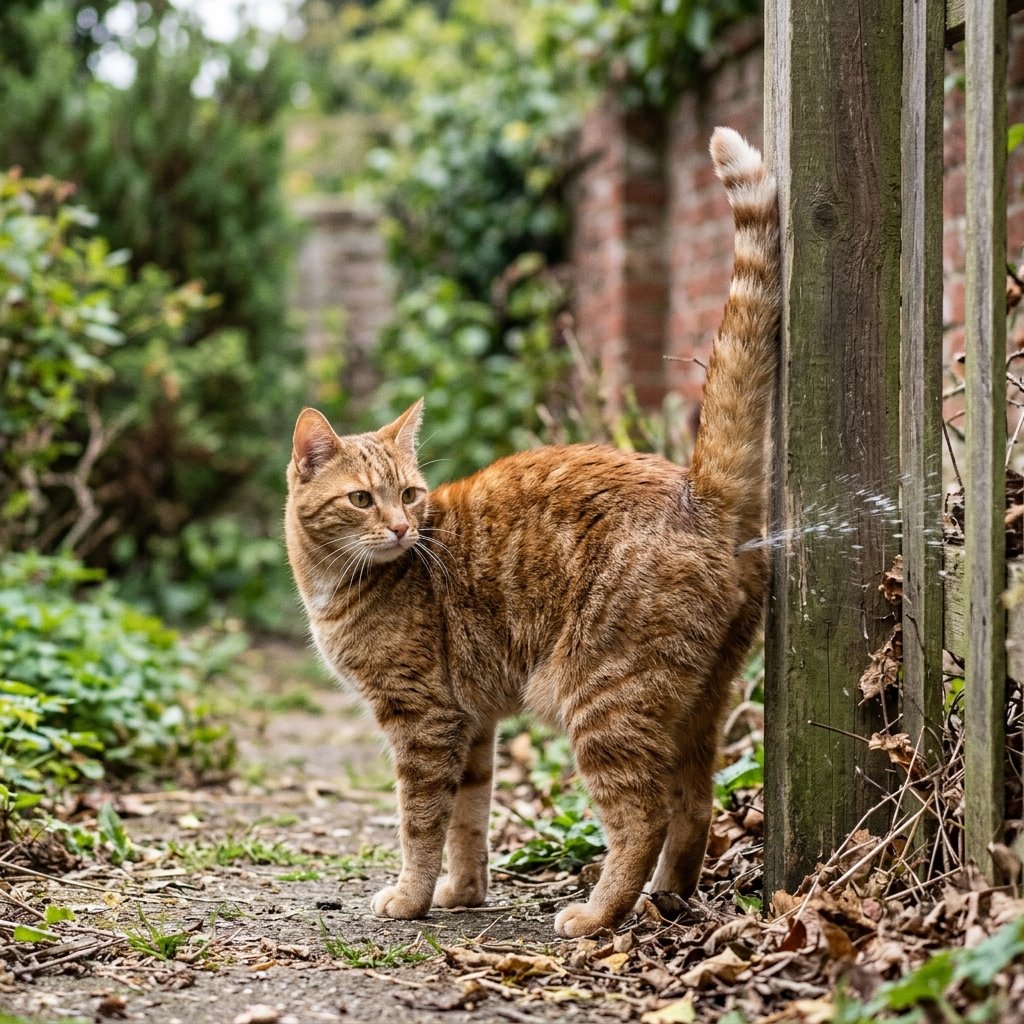
Cat spraying is one of the most frustrating behavior problems cat owners face—strong-smelling urine on walls, furniture, doors, or even your bed can make your home feel unlivable. Yet spraying is a natural cat behavior, usually driven by stress, hormones, or territory issues, not “spite” or bad manners.
This guide explains why cats spray, how to tell spraying from regular peeing, and eight effective, vet-backed steps you can take to stop it and prevent it from coming back.
What Is Cat Spraying (And How Is It Different From Peeing)?
Before you can fix spraying, you need to be sure that’s what’s happening.
When a cat sprays, they usually stand with their tail up (often quivering), back up to a vertical surface, and release a small amount of strong-smelling urine. In contrast, normal urination involves squatting and leaving a larger puddle on a flat, horizontal surface such as the floor or litter box.
Spraying is a form of scent marking and communication, often triggered by stress, competition, or sexual hormones, while inappropriate urination can also be caused by medical problems or litter box issues.
Practical example:
If your cat is backing up to the wall next to the front door with their tail twitching and leaving a small streak of urine on the paint, that’s spraying. If they’re squatting and leaving a puddle on the rug, that’s more likely a litter box or medical issue.
Why Cats Spray: Common Causes
Understanding the “why” behind spraying will help you choose the right solutions instead of just trying to mask the smell.
Hormones and Sexual Behavior
Unneutered male cats have a strong hormonal drive to mark territory with urine, and intact females can spray too, especially when in heat. This sent-marking broadcasts information about sex, status, and territory to other cats.
Stress, Anxiety, and Territory Conflicts
Many neutered cats spray because they feel threatened or stressed rather than because of hormones. Triggers can include:
- New cats or people in the home
- Outdoor cats lurking near windows or doors
- Moving, remodeling, or routine changes
- Multi-cat tension, bullying, or limited resources
Litter Box or Environmental Problems
Sometimes what looks like “behavior” is really your cat saying something is wrong with their bathroom setup. Dirty boxes, strong-smelling litter, not enough boxes, or boxes in noisy, exposed areas can push a sensitive cat to mark elsewhere.
Medical Issues
Urinary infections, bladder inflammation, painful conditions like arthritis, and other illnesses can all change urination habits and cause marking behavior. Any sudden change in toileting should prompt a vet check to rule out medical causes first.
Step 1: Rule Out Medical Problems
Your first move should always be a veterinary exam, especially if the spraying is new.
Why a Vet Visit Matters
Conditions like urinary tract infections, bladder stones, cystitis, kidney disease, diabetes, and arthritis can all cause pain, urgency, or difficulty using the litter box. Cats often associate that pain with the box and may start avoiding it or marking elsewhere.
Your vet can perform a physical exam, urinalysis, and other tests to check for these problems and treat them if present. Fixing the underlying health issue often significantly reduces spraying.
Practical example:
A cat that suddenly starts spraying in several spots around the house is diagnosed with painful cystitis at the vet; after medication and dietary changes, the spraying stops and normal litter box use resumes.
Step 2: Neuter or Spay Your Cat
Neutering (for males) or spaying (for females) is one of the most effective ways to reduce hormone-driven spraying.
How Much Does Neutering Help?
Desexed cats can still spray, but the behavior is much less common and usually less intense. Removing the hormonal drive reduces the urge to mark territory and advertise for mates, particularly in males.
Behavior experts and vets consistently list neutering as a first-line recommendation for cats that spray, especially if they are young and otherwise healthy.
Practical example:
An intact male cat who sprays multiple times a day on door frames and furniture is neutered; over the next few weeks, the spraying frequency drops dramatically and eventually stops.
Step 3: Identify and Reduce Stress Triggers
Once health issues and hormones are addressed, stress is often the main driver of spraying.
Find the Source of Stress
Look for patterns:
- Are most marks near windows or doors where outdoor cats appear?
- Are they near another pet’s favorite resting area or food bowl?
- Did spraying start after a move, new baby, renovation, or schedule change?
Reduce or Block Triggers
- Block visual access to outdoor cats with frosted film, curtains, or rearranged furniture.
- Provide separate feeding, resting, and litter areas for each cat in multi-cat homes to reduce competition.
- Keep routines predictable—consistent feeding times, play sessions, and quiet time help sensitive cats feel secure.
Practical example:
A cat that sprays only on the inside of the front door is constantly seeing a neighborhood cat outside. Covering the lower glass panel with frosted film and using a deterrent for the outdoor cat reduces the indoor cat’s stress and the spraying stops.
Step 4: Optimize the Litter Box Setup
Even if spraying is mainly stress-related, a poor litter box setup can make things worse.
Litter Box Best Practices
- Provide at least one box per cat, plus one extra (for example, three boxes for two cats).
- Scoop boxes at least once daily and fully wash them regularly.
- Use unscented clumping litter; many cats dislike strong fragrances.
- Place boxes in quiet, low-traffic areas—not next to washing machines or loud appliances.
- Avoid covered boxes if your cat seems anxious inside them; some cats prefer open boxes where they can see around them.
If your cat is spraying in a particular spot, temporarily place a litter box nearby to give them an appropriate alternative.
Practical example:
A cat in a busy household has only one covered litter box next to a noisy dryer. After adding two open boxes in quieter rooms and keeping them very clean, the cat stops marking on the hallway wall and returns to using the boxes.
Step 5: Clean Soiled Areas Properly (And Thoroughly)
If you do not remove the urine scent completely, your cat is likely to keep returning to the same spot.
How to Clean Cat Spray Effectively
- Use an enzymatic cleaner specifically designed for pet urine; these products break down the odor-causing compounds instead of just covering the smell.
- Avoid ammonia-based cleaners, which can smell like urine to cats and encourage more marking.
- Use a UV blacklight to locate all old spray marks so you don’t miss hidden spots behind furniture or on walls.
After cleaning, consider turning that area into a positive space by placing a bed, food bowl, or play area there so your cat starts associating it with eating or resting instead of marking.
Practical example:
A cat repeatedly sprays the corner of a couch. The owner uses a UV light to find several older spots, cleans them with an enzymatic spray, and then starts feeding the cat treats on a blanket in that corner. The cat stops marking there.
Step 6: Use Calming Aids and Environmental Enrichment
Reducing stress overall makes spraying much less likely.
Calming Supports
- Synthetic pheromone diffusers, sprays, or collars can help some cats feel more secure, especially around key areas where spraying occurs.
- Your vet may also suggest calming supplements or, in severe cases, short-term anti-anxiety medication.
Enrich Their Environment
Bored or frustrated cats are more prone to stress and marking. Provide:
- Vertical spaces like cat trees and shelves
- Scratching posts in key areas
- Interactive toys and food puzzles
- Daily play sessions that mimic hunting (chase, pounce, capture)
Practical example:
In a home with three cats and limited vertical space, one cat begins spraying behind the TV. Adding cat trees, window perches, more playtime, and a calming diffuser decreases tension and stops the marking.
Step 7: Change the Meaning of “Spray Spots”
Behaviorists often recommend turning previous spray locations into positive, non-marking zones.
Make Old Marking Areas Valuable in a New Way
Once thoroughly cleaned:
- Place a bed or favorite blanket there and encourage your cat to sleep there.
- Feed treats or meals in that location.
- Engage them in short play sessions nearby.
Cats are less likely to spray in areas where they eat, sleep, and play, because it changes the emotional meaning of that space from “threat” to “comfort.”
Practical example:
A cat sprays near a windowsill where they watch neighborhood cats. After cleaning the sill, the owner blocks the outside view, moves a cozy bed there, and regularly gives treats in that spot. Over time, the cat naps there instead of marking.
Step 8: Work with a Vet or Behavior Specialist
If you’ve addressed health, neutering, cleaning, litter boxes, stress, and enrichment but spraying continues, it’s time to bring in expert help.
When to Seek Professional Help
- Spraying has been going on for a long time and is getting worse.
- There are multiple cats and frequent conflicts.
- Your cat also shows other behavior issues like aggression, fear, or extreme anxiety.
Veterinary behaviorists and qualified trainers can assess your cat, household, and routine, then create a tailored plan, sometimes using behavior modification techniques and medication.
Practical example:
In a four-cat home with long-term spraying and fights, a behavior specialist maps out each cat’s territory, recommends new resource placements, introduces gradual reintroductions between cats, and prescribes anti-anxiety treatment for the main sprayer, leading to a gradual reduction in marking.
Frequently Asked Questions About Cat Spraying
Why is my cat suddenly spraying in the house?
Sudden spraying can be triggered by a new stressor (like a new pet, move, or outdoor cat) or a medical problem. Always rule out health issues first with your vet.
Will neutering my cat stop spraying completely?
Neutering significantly reduces hormone-driven spraying, especially in males, but some neutered cats still spray due to stress or environmental issues. You usually need to combine neutering with behavior and environment changes.
How can I tell if it’s spraying or just peeing outside the box?
Spraying is usually done standing against a vertical surface with the tail up and a small amount of urine; inappropriate peeing is done squatting on horizontal surfaces.
Can punishment stop cat spraying?
No; yelling, scolding, or physical punishment tends to increase stress and can make spraying worse. Focus on identifying triggers, improving the environment, and rewarding calm, appropriate behavior instead.
How long does it take to stop cat spraying?
It varies. Some cats improve within days of medical treatment or environmental changes, while others need several weeks or months of consistent management, especially if the habit is long-standing.
Conclusion
Cat spraying is stressful, embarrassing, and hard to live with—but it is also understandable, manageable, and often very treatable when you address the real causes instead of just the smell. By ruling out medical problems, neutering when appropriate, reducing stress, optimizing the litter box setup, cleaning marks properly, and enriching your cat’s environment, you can usually stop spraying and restore peace to your home.