
The Bearded Dragon’s Diet: What Can They Eat?
The Bearded Dragon’s Diet: What Can They Eat?
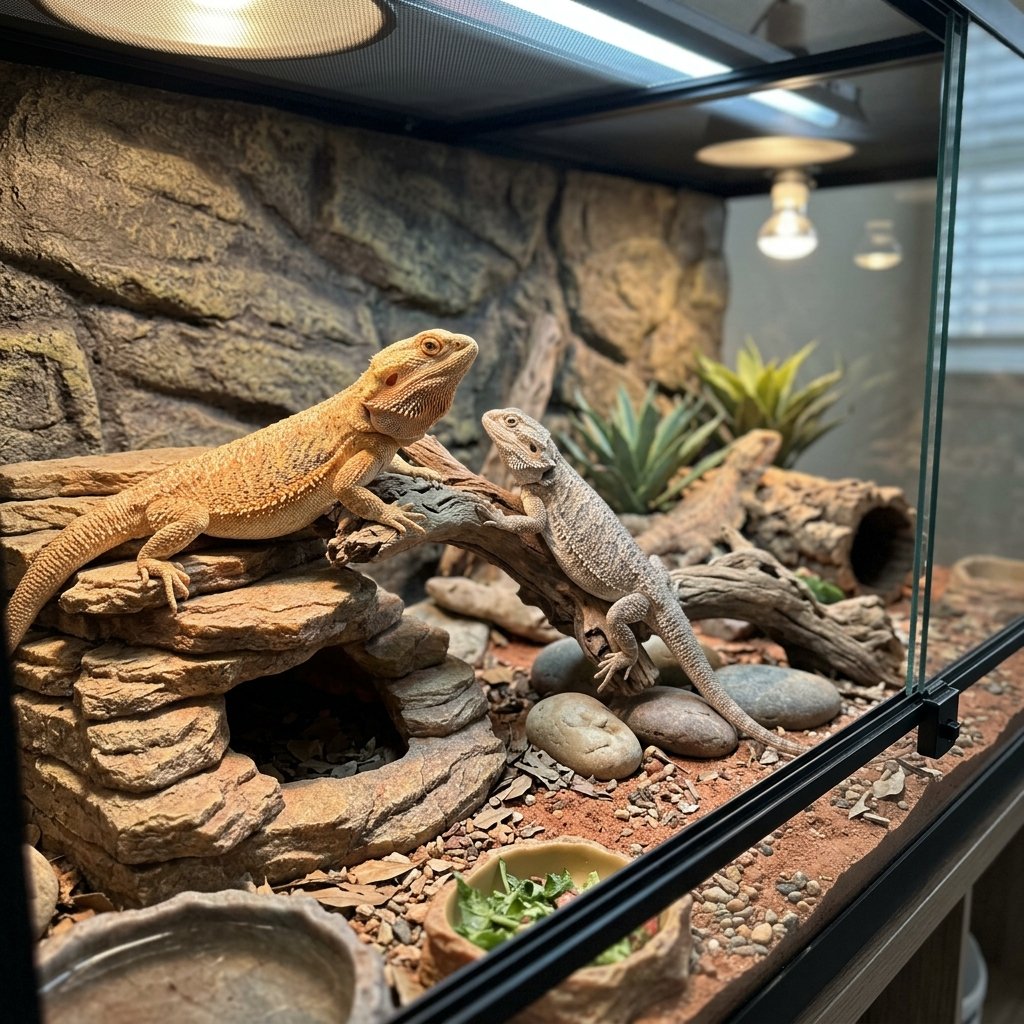
Bearded dragons are omnivores, which means they need a mix of insects, leafy greens, vegetables, and a small amount of fruit to stay healthy. The right balance changes as they grow, with babies needing more insects and adults needing mostly plants.
Introduction: Why Diet Is So Important for Bearded Dragons
A bearded dragon’s diet does more than just keep them full—it directly affects their growth, bone strength, energy levels, and lifespan. Poor nutrition is one of the most common causes of illness in pet beardies, leading to problems like metabolic bone disease, obesity, and organ issues.
Because these reptiles are omnivores from dry, desert-like environments, they have specific needs for protein, fiber, calcium, and hydration that we must recreate in captivity. This guide walks you through what bearded dragons eat at every age, which foods are safe staples, which should be treats only, and which are dangerous.
Bearded Dragon Diet Basics (By Age)
Omnivores with shifting needs
Bearded dragons eat both animal and plant matter, but the ratio changes as they grow.
- Baby/juvenile (up to ~12 months): Around 70–80% insects and 20–30% greens and vegetables.
- Sub-adult/young adult: More balanced mix of insects and plants as growth slows.
- Adult (around 18 months+): About 70–80% plants and 20–30% insects.
This shift happens because younger dragons need more protein for rapid growth, while adults need more fiber and micronutrients to maintain a healthy weight and organs.
Feeding frequency
- Babies: Multiple insect feedings per day, with fresh salad offered daily.
- Adults: Salad daily; insects every day or every other day depending on weight and activity.
Always remove uneaten live insects after feeding to avoid them biting or stressing your dragon.
Safe Insects and Protein Sources
Insects should be gut-loaded (fed nutritious foods) and lightly dusted with calcium before feeding your bearded dragon.
Best staple insects
These are suitable as regular protein sources:
- Crickets
- Dubia roaches
- Black soldier fly larvae (also called Calci-worms or phoenix worms)
- Silkworms
- Hornworms (in moderation; very hydrating)
These insects provide good protein and, when gut-loaded, also carry vitamins and minerals into your dragon’s diet.
Occasional insects (treats)
Some worms are very fatty and should be limited:
- Mealworms
- Superworms
- Waxworms
- Butterworms
These are great for encouraging picky eaters or as high-value treats, but too many can lead to obesity and unbalanced nutrition.
Animal foods to avoid or limit
- Wild-caught insects (risk of pesticides/parasites).
- Fireflies and other glowing insects – highly toxic.
- Regular feeding of pinky mice is generally not recommended for pet beardies unless under vet guidance.
Greens, Vegetables, and Fruits
Plant matter is the foundation of an adult bearded dragon’s diet and should be varied and nutrient-dense.
Staple leafy greens (daily)
These greens can form the bulk of the salad bowl:
- Collard greens
- Turnip greens
- Mustard greens
- Dandelion greens
- Endive
- Escarole
- Bok choy
- Arugula
- Cactus pads/prickly pear pads
They provide fiber, calcium, and vitamins without too much phosphorus or oxalates when rotated.
Good vegetables (regular rotation)
Common safe vegetables you can offer often include:
- Squash (butternut, acorn, spaghetti, yellow)
- Bell peppers
- Carrots (grated)
- Okra
- Zucchini
- Celery (in moderation, chopped finely)
- Pumpkin
- Parsnips
These should be finely chopped or grated to make them easy to eat and mix well with greens.
Fruits (occasional treats only)
Fruit should only be a small part of the diet, typically around 5–10% at most.
Safe fruits in small amounts include:
- Apples (no seeds, peeled)
- Berries (strawberries, blueberries, blackberries)
- Mango
- Papaya
- Melon
- Grapes
- Figs
- Peaches
- Watermelon
Fruits are higher in sugar and water, so overfeeding them can cause diarrhea, obesity, and long-term health issues.
Foods to Avoid (Very Important)
Some foods are unsafe or unhealthy for bearded dragons and should be avoided completely.
- Avocado – contains persin, which is toxic to many animals.
- Rhubarb – highly toxic; can cause serious illness.
- Citrus fruits (oranges, lemons, grapefruit) – too acidic and can upset digestion and calcium balance.
- Lettuce (especially iceberg and even romaine) – mostly water and offers little nutrition; can cause diarrhea.
- Processed human foods, salty or sugary snacks – not suitable for reptiles.
Also avoid feeding any plant that may have been treated with pesticides or herbicides.
Sample Daily Menus and Practical Examples
Example 1: Juvenile bearded dragon (~6 months)
Goal: High protein with some salad to build good habits.
- Morning:
- 10–20 small crickets or dubia roaches, gut-loaded and calcium-dusted.
- Side dish: Small bowl of finely chopped collard greens and dandelion greens, with a bit of grated squash.
- Afternoon:
- Second insect feeding of crickets or black soldier fly larvae.
- Evening:
- Optional light insect snack, depending on appetite and growth.
Fresh water should be available, and uneaten insects removed after a short time.
Example 2: Adult bearded dragon
Goal: Mostly plant-based with moderate insect protein.
- Daily salad:
- Base of collard greens, mustard greens, and escarole.
- Add chopped squash and bell pepper, plus a few grated carrots.
- Tiny topping of fruit once or twice a week (e.g., a few blueberry pieces or a small mango cube).
- Insects:
- 1 feeding of gut-loaded dubia roaches or crickets every 1–2 days.
- Occasional treat worms like waxworms or superworms, not every day.
Example 3: Hydration and picky eaters
If your dragon is not keen on greens:
- Offer finely chopped, colorful veggies (like squash and peppers) to attract interest.
- Try lightly misting greens or mixing in a very small amount of fruit for smell and taste.
- Start salad first, then offer insects after, to encourage at least some plant eating.
Hydrating vegetables and occasional hornworms can help with water intake too.
Expert Tips for a Healthy Bearded Dragon Diet
- Use calcium and vitamin supplements correctly: Most guides recommend regular calcium dusting and a multivitamin a few times per week (especially for growing dragons); follow your vet’s schedule.
- Gut-load insects 24–48 hours before feeding with high-quality greens and veggies so they pass on nutrition instead of empty calories.
- Aim for variety, not just one “perfect” food—rotating safe greens, veggies, and insects gives a better nutrient spread.
- Watch weight and body condition: An adult with too many worms and insects may become overweight; cut back insects and increase salads if needed.
- Link diet to proper lighting: Without correct UVB lighting, even a good diet cannot be used properly for calcium and bone health.
- Check reputable food lists before adding something new; not all human-safe foods are safe for reptiles.
Quick Reference Table: What Bearded Dragons Eat
| Category | Good staples (often) | Occasional only | Avoid completely |
|---|---|---|---|
| Insects | Crickets, dubia roaches, BSFL, silkworms, hornworms | Mealworms, superworms, waxworms, butterworms | Wild-caught bugs, fireflies |
| Leafy greens | Collard, mustard, turnip, dandelion, endive, escarole, bok choy, arugula, cactus pads | Kale, carrot tops, spring mix (rotated) | Lettuce (iceberg/romaine) |
| Vegetables | Squash, bell pepper, carrot (grated), okra, zucchini, pumpkin, parsnip | Celery, cucumber (peeled), herbs, flowers like hibiscus | Plants treated with chemicals |
| Fruit | None as staples; only small mixed-in pieces | Berries, apple, mango, papaya, melon, grapes, figs, peaches | Citrus fruits, large amounts of any fruit |
FAQ: Common Questions About Bearded Dragon Diets
How often should I feed my bearded dragon?
Babies need multiple insect meals daily plus salad, while adults usually do best with a daily salad and insects every day or every other day, depending on activity and weight.
Do bearded dragons need fruit?
They do not need fruit, but a small amount (around 5–10% of the diet) can be offered as an occasional treat and variety, not as a staple.
Can bearded dragons eat kale and spinach?
Kale is now considered safe in rotation, but spinach should be limited because of higher oxalate content; use mostly other greens like collard or dandelion as staples.
Can I feed my bearded dragon only pellets?
Commercial bearded dragon pellets can be part of the diet, but they should not replace fresh greens, vegetables, and insects entirely.
How do I know if my dragon is getting enough calcium?
Watch for signs like soft jaw bones, tremors, weakness, or deformities, and have regular vet checkups; correct diet, supplementation, and UVB lighting together prevent calcium problems.
Conclusion
A healthy bearded dragon diet is about balance: plenty of varied greens and vegetables, the right amount of high-quality insects, very small servings of fruit, and strict avoidance of unsafe foods. When you combine that with proper supplements and UVB lighting, you give your beardie the best chance at a long, active, and happy life.