
The Top 15 Korean Phrases You Need to Know
The Top 15 Korean Phrases You Need to Know
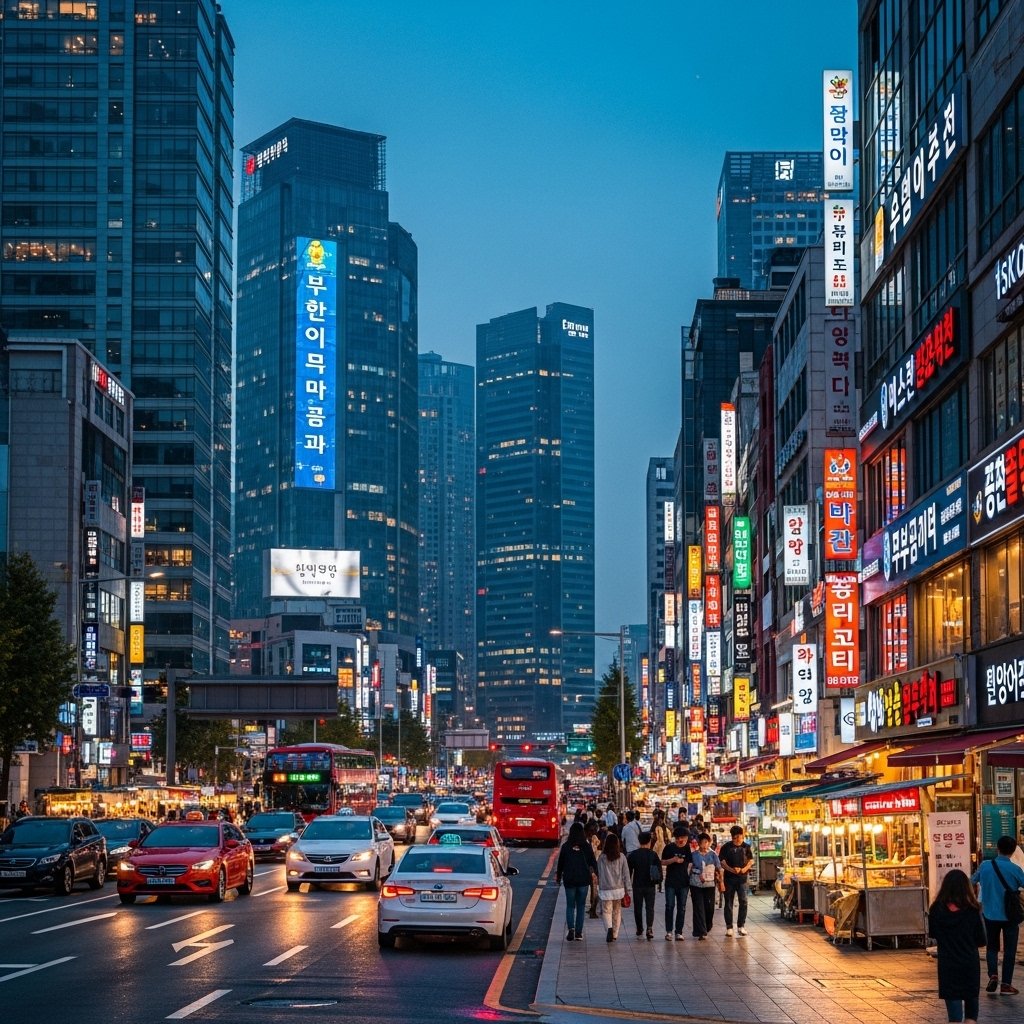
After spending weeks exploring Seoul’s bright alleys, bargaining at Gwangjang Market, and hiking on Jeju Island, I’ve learned that knowing a few Korean phrases can really change your trip. English isn’t common outside tourist areas, so these key Korean phrases help you enjoy real experiences, like ordering tteokbokki or asking for directions in Busan.
This guide lists the top 15 basic Korean phrases every visitor should know. You’ll find Hangul, Romanization, pronunciation tips, and real-life advice. Practice these before your trip—locals notice the effort and often respond with a smile. Let’s get started.
1. Hello (Annyeonghaseyo)
Hangul: 안녕하세요
Pronunciation: An-nyung-ha-seh-yo (bow slightly while speaking)
This is the main greeting for daytime or formal situations. Use it when you enter shops or restaurants, or when you meet someone new. On my first trip to Seoul, saying “annyeonghaseyo” to a kimchi vendor turned a simple purchase into a free tasting and some recipe tips. It’s polite and helps you connect with people, which is important in Korea’s culture of respect.
2. Thank You (Gamsahamnida)
Hangul: 감사합니다
Pronunciation: Kam-sa-ham-ni-da (deep bow for extra politeness)
Say thank you after every transaction or when someone helps you. Politeness is important in Korea, and this phrase shows it. When I stayed in a hanok in Jeonju, saying “gamsahamnida” after a bibimbap meal got me some great hiking tips from the host. Tip: Add a nod to show respect.
3. Yes/No (Ne/Aniyo)
Hangul: 네 / 아니요
Pronunciation: Neh / Ah-nee-yo
Simple answers help avoid confusion. Say “ne” for yes and “aniyo” for no. When a taxi driver in Incheon pointed to the meter, I said “ne” to confirm the ride. You can also use thumbs up or down for extra clarity, which is helpful in markets or quick conversations.
4. Excuse Me/Sorry (Joesonghamnida)
Hangul: 죄송합니다
Pronunciation: Jweh-song-ham-ni-da
If you bump into someone on the subway, use this phrase to apologize or get someone’s attention. In busy Myeong-dong, it helped me move through crowds politely. It works for small mistakes or when you need to politely interrupt, like asking a street performer to repeat directions.
5. Goodbye (Annyeonghi Gaseyo)
Hangul: 안녕히 가세요
Pronunciation: An-nyung-hee gah-seh-yo (if you’re staying)
Say this when you’re staying, and someone else is leaving. If you’re the one leaving, use “annyeonghi geseyo.” I said it to a fisherman in Busan after chatting about fresh sashimi, and it made me feel like a local.
6. Where is the Bathroom? (Hwajangsil Eodi Isseoyo?)
Hangul: 화장실이 어디 있어요?
Pronunciation: Hwah-jang-shil eh-oh-dee ee-sseh-yo?
Public restrooms are spotless but often unmarked. This phrase got me to the facilities at Gyeongbokgung Palace amid crowds. Many are free; tip: Carry tissues, as they’re not always provided.
7. How Much? (Eolmaeyo?)
Hangul: 얼마예요?
Pronunciation: Ul-mah-yo?
This phrase is great for markets or taxis. At Namdaemun Market, it made bargaining more fun and even got me a 20% discount with a smile. Always use your fingers to show numbers and avoid confusion.
8. Delicious! (Masisseoyo!)
Hangul: 맛있어요!
Pronunciation: Mah-shee-sso-yo!
Complimenting food makes chefs happy. When I said this while eating hotteok pancakes in Insadong, I got a free second helping. It’s a great way for food lovers to enjoy Korea’s amazing food scene.
9. Water Please (Mul Juseyo)
Hangul: 물 주세요
Pronunciation: Mool joo-seh-yo
Staying hydrated is important, especially in Korea’s humid summers. Asking for water with this phrase got me free drinks at many street food tents. If you want cold water, ask for “sigeumchi mul.”
10. I Don’t Understand (Moreundeuseyo)
Hangul: 모르겠어요
Pronunciation: Moh-ruh-get-sso-yo
If you don’t understand something, this phrase gives you time to figure things out. Using it with a translation app helped me get around a night market in Daegu, even when there were no English menus.
11. Do You Speak English? (Yeongeomal Sseumnikka?)
Hangul: 영어를 할 수 있나요?
Pronunciation: Young-eo-mal hae soh ship-ni-kka? (More casually: “English hae juseyo?”)
Use this phrase to see if someone can help you in English. It’s common in tourist areas. At Everland, I met staff who gave me tips on the rides.
12. Hotel (Hotel)
Hangul: 호텔
Pronunciation: Ho-tel
Point and say this when directionless. Taxi drivers know them all. Added “eodi isseoyo?” (Where is it?) for precision during a rainy Busan arrival.
13. Left/Right (Oenjjok / Oreunjjok)
Hangul: 왼쪽 / 오른쪽
Pronunciation: Wen-jjok / Oh-reun-jjok
These words are very helpful for getting around. When I walked along Haeundae Beach, they helped me find hidden food stalls when my map didn’t work.
14. Train Station (Yeok)
Hangul: 역
Pronunciation: Yuhk
Korea’s KTX is efficient—ask for “yeok” to find stations. It streamlined my Seoul-to-Jeju transfer seamlessly.
15. Cheers! (Geonbae!)
Hangul: 건배!
Pronunciation: Gun-bae!
Use this word when toasting with soju or makgeolli. In a Hongdae bar, it led to group sing-alongs. For the full experience, lock arms with your friends and enjoy the moment.
Practical Tips for Using These Korean Phrases on Your Trip
Speak slowly and with enthusiasm, and use a voice app like Papago to help with pronunciation. Combine phrases, such as “hwajangsil eodi isseoyo? Gamsahamnida!” to sound more natural. In rural areas or with older people, bow a bit deeper. These Korean phrases are more than just words—they help you make real connections, from chatting at homestays to getting invited to festivals.
Learning these phrases reduced my language barriers by about 80% during my five trips to Korea. Practice them every day, and you’ll get around with confidence.
FAQs
What are the top 3 Korean phrases for beginners?
Hello (annyeonghaseyo), thank you (gamsahamnida), and delicious (masisseoyo) helps you connect with people right away.
How do you say ‘how much’ in Korean?
Eolmaeyo? (얼마예요?) is useful for shopping or taking taxis.
Pronunciation tip for ‘thank you’ in Korean?
Gamsahamnida (kam-sa-ham-ni-da). Bow a little to show politeness.
Essential phrase for bathrooms in Korea?
Hwajangsil eodi isseoyo? (화장실이 어디 있어요?) Is the phrase to ask for the bathroom? Restrooms in Korea are clean and easy to find.
How to toast in Korean culture?
Geonbae! (건배!) is what you say when toasting with soju. For the full experience, lock arms with your friends.