
What To Do if Your Dog Ate a Chicken Bone
What To Do if Your Dog Ate a Chicken Bone
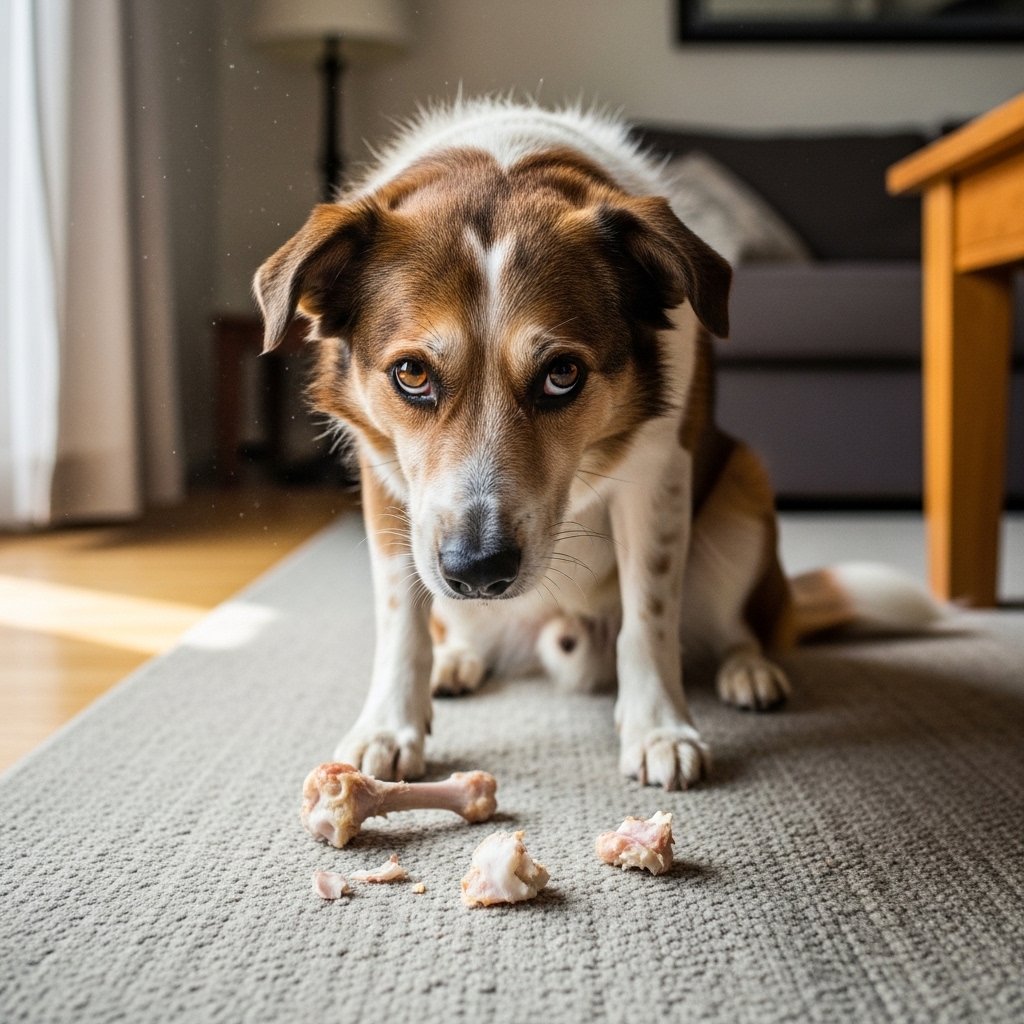
Find out what steps to take, what symptoms to watch for, and how to prevent issues if your dog eats a chicken bone. Stay calm and act quickly to protect your pet.
Why Chicken Bones Are Dangerous for Dogs
Chicken bones are risky because they can break into sharp pieces when chewed, which may injure your dog’s mouth, throat, or digestive tract. Cooking makes bones brittle, while raw bones are softer and generally safer. Sharp pieces can puncture the esophagus, stomach, or intestines, leading to bleeding, blockages, or infections.
Some pet owners give their dogs kitchen scraps after meals, like grilled chicken or stews, but even small cooked bones can be dangerous. Larger dogs might swallow bones whole, increasing the risk. Veterinarians treat thousands of splinter-related emergencies each year.
Immediate Actions to Take
Stay calm because panicking will not help your dog. First, check if your dog is choking by looking for gagging, lots of drooling, pawing at the mouth, or blue gums. If you see these signs, try first aid for dogs, such as the Heimlich maneuver: stand behind your dog, put your fists just behind the ribs, and push upward firmly.
Next, call your vet or an emergency clinic right away, even if your dog does not show symptoms. Tell them the size of the bone, how much your dog ate, and when it happened. The vet may suggest feeding plain white bread or canned pumpkin to help cushion sharp edges as the bone passes. Give about 3-5 tablespoons for small dogs and more for larger ones. Do not give fatty foods or try to make your dog vomit unless your vet tells you to, as this can make things worse.
Watch your dog closely for 72 hours. Your vet may recommend X-rays to see where the bone is.
Symptoms That Require Urgent Vet Care
Watch for warning signs such as vomiting (especially with blood), diarrhea, or black, tarry stools; belly pain shown by whining or hunching; tiredness; loss of appetite; or trouble pooping. Bloating, fever, or pale gums are also serious and mean you should get help right away, as these can signal a tear or blockage.
Smaller dogs are at higher risk because bone fragments can get stuck in narrow passages, while dogs that gulp food, like Labs, might pass pieces without trouble. Check your dog’s stool daily for bone fragments. White, sharp bits mean the bone has passed. If you don’t see any fragments after three days, visit your vet.
What Vets Do in Emergencies
Your vet will begin with a physical exam, feeling your dog’s abdomen for tenderness. X-rays help locate the bone and detect damage. Blood tests look for infection or dehydration.
Treatment depends on what your dog needs. Antibiotics fight bacteria from raw bones, fluids help with discomfort, and stool softeners make it easier for the bone to pass. Surgery may be needed to remove blockages or repair tears, especially if bones have punctured organs. Most cases improve with careful monitoring if caught early.
Prevention Strategies for Pet Parents
Clear counters while preparing meals, and use baby gates or crates to keep your dog out of the kitchen when carving chicken. Lock trash bins, as dogs often look for scraps there. Pick vet-approved chew toys or rawhide alternatives that offer the same crunch as bones but are much safer.
Teach your dog the “leave it” command using high-value treats. Supervise barbecues or picnics where grilled bones might tempt your dog. Remind your family not to give table scraps after cooking chicken dishes.
Safe Alternatives to Chicken Bones
Offer your dog raw beef marrow bones only when you can supervise, or give nylon chews made for strong chewers. Commercial dental bones with enzymes can help clean teeth safely. You can also freeze Kongs filled with peanut butter to keep your dog entertained. Always introduce new treats slowly to avoid stomach upset.
Long-Term Digestive Health Tips
If your dog eats a chicken bone, feed them a bland diet like boiled rice and lean turkey for two days. Probiotics can help restore gut health. Take your dog for yearly check-ups to catch any problems early.
FAQs
How long after eating a chicken bone should I worry?
Monitor 72 hours; seek vet if no bone fragments in stool.
Can small chicken bone pieces pass naturally?
Yes, many small pieces dissolve in stomach acid, but keep an eye out for symptoms.
Should I make my dog vomit a chicken bone?
No, making your dog vomit can cause the bone to splinter. Call your vet first.
What cushions bones in a dog’s stomach?
Feed your dog bread or pumpkin to help cushion sharp edges.
Is it okay if my dog ate a raw chicken bone?
Raw is safer but risks bacteria; still monitor closely.