
Why Tomato Plants Aren’t Flowering: 10 Fixes for More Blooms This Season
Why Tomato Plants Aren’t Flowering: 10 Fixes for More Blooms This Season
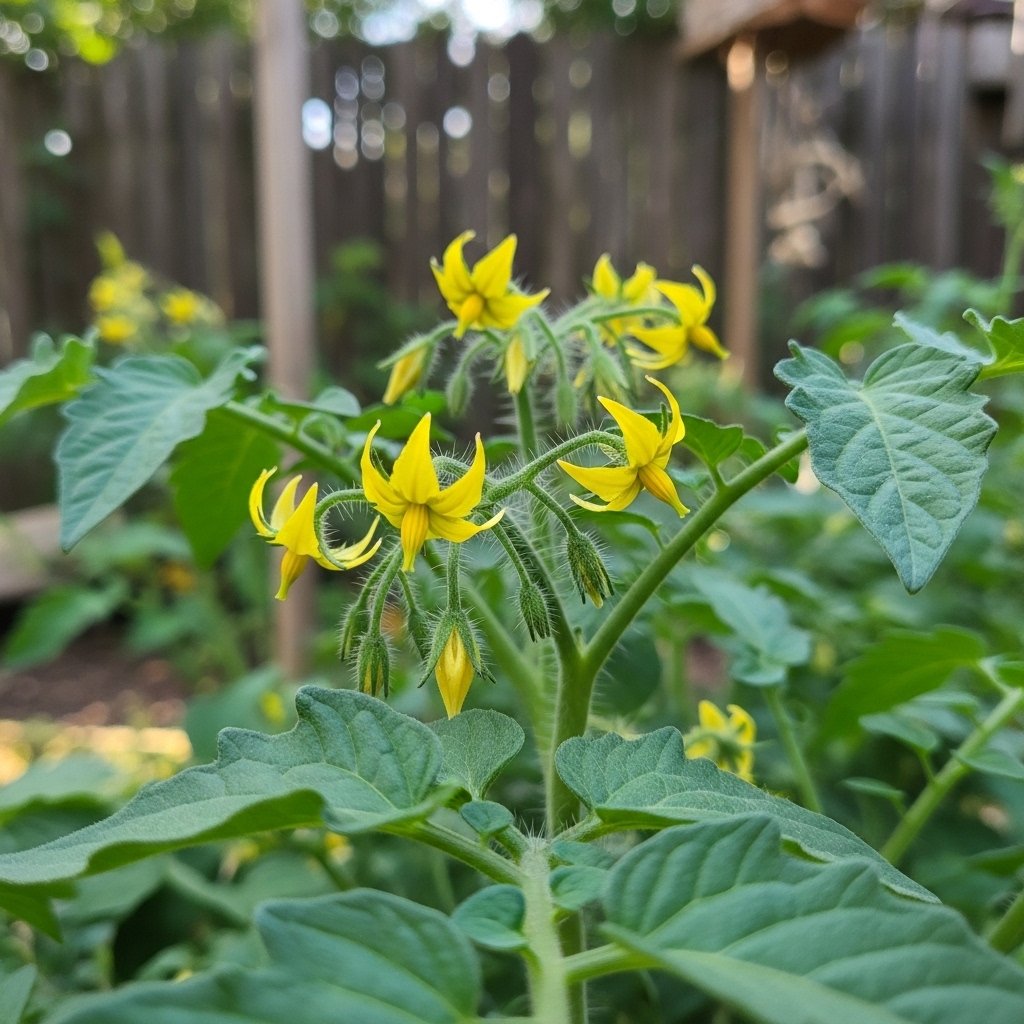
By mid-season, tomato plants should be full of yellow flowers. If there are no blooms, you won’t get any fruit later.
If you see lots of green leaves but no flowers, you’re not alone. This is a common problem for home gardeners, but a few simple changes can usually get your plants blooming quickly.
This guide is based on years of growing tomatoes in different climates. You’ll find step-by-step solutions that have worked in real gardens.
Common Signs of Flowering Trouble
Leaves grow thick and dark. Stems stretch tall without buds—no clusters at stem tips.
Look for yellow edges on leaves or wilting even after watering. These are signs of stress that can prevent blooming.
Young tomato plants often focus on root growth before flowering. Be patient—blooms usually appear after 6 to 8 weeks.
Temperature Swings Block Blooms
Tomatoes grow best when daytime temperatures are between 70 and 85°F and nighttime temperatures are between 60 and 70°F. If it gets hotter than 90°F, flower formation can stop.
If temperatures drop below 55°F, pollen production slows, and flowers may fall off before opening.
Plant heat-tolerant varieties, such as ‘Solar Fire’. Add shade cloth on hot afternoons—mulch soil to steady temps.
Not Enough Sunlight Exposure
Tomatoes need 8 full hours of direct sun. Less triggers leggy growth over flowers.
Shade from trees or buildings can reduce the plant’s energy. When this happens, tomatoes focus on survival rather than on flowering.
Boost light: Prune overhanging branches. Relocate pots to south-facing spots. Reflect the sun with white gravel mulch.
Watering Mistakes Starve Flowers
Overwatering can suffocate the roots, causing stress similar to drought. This often causes flowers to drop before you notice them.
If you are underwater, plants focus on growing leaves instead of flowers. In hot weather, the soil can dry out several inches deep very quickly.
Right routine: Water deeply once the soil feels dry to a depth of 2 inches. Aim for consistent moisture without sogginess. Drip lines prevent leaf wet.
Nutrient Imbalance Hinders Blooms
Excess nitrogen builds foliage jungles. No flowers follow bushy growth.
Not enough potassium can prevent flowers from forming. Phosphorus helps roots grow, but by itself, it won’t encourage blooms.
To balance your soil, use a bloom-boosting fertilizer like 5-10-10 NPK. Add crushed eggshells for calcium, and mix in compost for a steady supply of nutrients.
| Nutrient Issue | Symptoms | Quick Fix |
| High Nitrogen | Lush leaves, no buds | Flush soil, use low-N feed |
| Low Potassium | Weak stems, few flowers | Apply wood ash or potash |
| Calcium Lack | Blossom end rot risk | Gypsum or lime amendments |
Pollination Problems in Enclosed Spaces
Tomatoes self-pollinate via buzz. Still air indoors blocks pollen shake.
High humidity clumps pollen. Low dries it out before transfer.
Aid pollination: Gently shake plants daily. Use an electric toothbrush on stems—open vents for bees. Grow basil nearby for insects.
Over-Pruning Steals Energy
Snip suckers to focus fruit. Too much removes sun-capturing leaves.
Bare stems can’t fuel flowers. Energy diverts to recovery.
For smart pruning, only remove the lower leaves that touch the soil. Keep about 70% of the leaf canopy, and prune in the morning on dry days.
Wrong Tomato Varieties for Climate
Determinate tomato varieties bloom early and set fruit quickly. Indeterminate types need support because they keep growing and spreading.
Heirlooms falter in the heat. Hybrids endure stress better.
For reliable results, try ‘Celebrity’. For great flavor in mild climates, choose ‘Black Krim’. Start seeds indoors about six weeks before planting outside.
Pests and Diseases Sneak In
Aphids feed on plant sap, which takes energy away from blooming. Spider mites cause yellow spots on leaves.
Fungal diseases, such as early blight, create spots on lower leaves. When plants are stressed, they may not produce flowers.
Defend plants: Neem oil weekly—companion plant marigolds. Improve air flow with spacing. Remove debris promptly.
Soil pH and Root Health
Tomatoes grow best in soil with a pH between 6.0 and 6.8. If the soil is too acidic, nutrients become unavailable. If it’s too alkaline, the plants can’t absorb enough iron.
Compacted soil can suffocate roots by blocking oxygen, which prevents blooming.
Test and amend: Use a $10 kit. Add lime for acidity. Loosen with a fork yearly. Organic matter, such as coco coir, improves drainage.
Planting Too Late or Crowded
If you plant too late, your tomatoes may not mature before the season ends. Planting too close together increases humidity and the risk of disease.
Space indeterminate tomato plants 24 to 36 inches apart. If you’re using pots, choose ones that hold at least 5 gallons.
Timing tips: Sow indoors in February in zones 9-11. Harden off seedlings gradually. Stake early for airflow.
Quick Recovery Timeline
Week 1: Diagnose and adjust water/light.
Week 2: Fertilize and prune lightly.
Week 3+: Buds appear with steady care.
Check your plants every day. Most will recover quickly, and you can expect to harvest tomatoes in four to six weeks.
FAQs
Why no flowers on tomato plants?
Temperature extremes, poor light, or excess nitrogen often block blooms. Fix with shade and balanced feed.
How much sun is needed for tomato flowering?
Tomatoes require 8 hours of direct sunlight per day. Less causes leggy growth without buds.
Can overwatering stop tomato blooms?
Yes, soggy roots stress plants. Water only when the top 2 inches are dry.
Best fertilizer for tomato flowers?
Use a low-nitrogen, high-potassium fertilizer, such as 5-10-10. Apply every two weeks.
How to pollinate indoor tomatoes?
Shake plants or use a fan. Vibrate flowers with a toothbrush daily.