
10 Signs Of Dementia In Dogs & How To Spot Them Early
10 Signs Of Dementia In Dogs & How To Spot Them Early
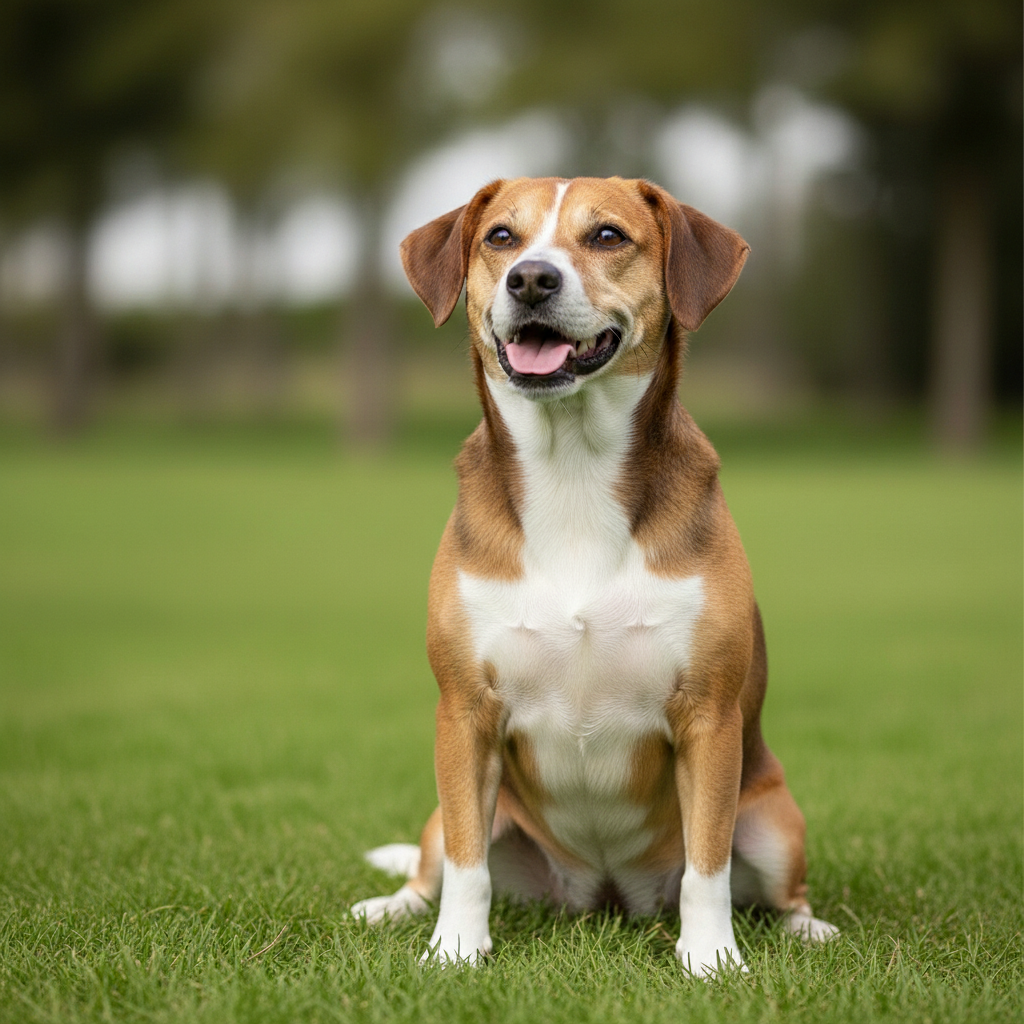
Dog dementia, or canine cognitive dysfunction (CCD), is similar to Alzheimer’s in people and affects many older dogs. Spotting early signs helps owners give the right support and improve their dog’s quality of life.
Understanding Dog Dementia
Dog dementia causes gradual changes in the brain that affect memory, learning, and awareness. Dogs over 10 years old are at higher risk, and up to 60% show symptoms by age 15.
Beta-amyloid plaques can build up in the brain, blocking signals between nerve cells and reducing blood flow. This causes nerve cell death, especially in memory areas like the hippocampus. Poor circulation also speeds up the damage.
Some breeds, such as Boxers and Miniature Poodles, may be more likely to get dementia, but any dog can develop it. Early vet visits help rule out other problems, such as thyroid issues or pain.
Common Signs of Dog Dementia
Look for the DISH signs: Disorientation, changes in Interactions, Sleep-wake problems, and House-training loss. These signs usually appear slowly as dogs get older.
- Disorientation: Dogs may wander without purpose, get stuck in corners, or forget rooms they once knew. They might stare into space or not recognize their own yard.
- Social changes: Dogs may become more clingy, irritable, or withdrawn from family. Once, friendly dogs might snap or avoid playing.
- Sleep disruptions: Dogs may have restless nights, pace around, bark at nothing, or have their sleep schedule flipped, being sleepy during the day and active at night.
- House soiling: Dogs may have accidents indoors even though there is no medical reason, or they may forget their usual potty cues.
Other signs can include forgetting where their food bowl is, being less active, developing new fears, such as being afraid of stairs, or making more noise than usual. Keep a journal of these changes to share with your vet.
Stages of Canine Dementia
Dementia moves through mild, moderate, and severe stages, which helps you understand what kind of care your dog needs.
Mild stage: Dogs may show minor signs of forgetfulness, such as being slower to respond at home or seeming a bit restless. They still interact but might seem a little different.
Moderate stage: Dogs may become clearly confused, have their sleep schedule reversed, have more accidents, and show more anxiety. They are less active and may pace or get lost inside the house.
Severe stage: Dogs may be very disoriented, barely recognize their owners, vocalize constantly, and need help eating. Their quality of life drops a lot at this point.
You can use a quality-of-life scale, such as HHHHHMM (Hurt, Hunger, Hydration, Hygiene, Happiness, Mobility, More good days), to track your dog’s well-being. Vets also check with exams and behavior surveys.
Causes and Risk Factors
The main cause is age-related changes in the brain, including plaque buildup and inflammation. Free radicals can damage brain cells, as seen in human Alzheimer’s disease.
Other factors that can play a role include genetics, prior head injuries, long-term inflammation, or blood flow problems that reduce oxygen to the brain. Dogs that are spayed or neutered, or spend less time socializing, may also be at higher risk.
Unlike sudden illnesses, there isn’t one single cause. It’s the result of aging. Make sure to rule out tumors, infections, or loss of senses first.
Diagnosing Dog Dementia
Vets begin with a full exam, blood tests, and urine tests to rule out other treatable problems. There isn’t one test for CCD, so diagnosis is made by ruling out other causes and using owner surveys.
Tools such as the CCD Rating Scale help track 29 behaviors over time. Brain scans, such as MRI or CT, can find plaques if needed, but this is rarely done. Owners usually report changes they’ve seen over the past 2-3 months.
Finding dementia early gives you more ways to manage it and can slow its progress by one to two years in some cases.
Treatment and Management Strategies
No cure exists, but vet-prescribed drugs like selegiline boost brain dopamine, easing signs in 75% of cases. Start early for best results.
Diet tweaks: Switch to senior formulas rich in antioxidants (vitamins E and C), omega-3s (fish oil), and medium-chain triglycerides (MCT oil from coconut). These fuel brain energy, reducing plaques. Feed 20-30% fewer calories if activity drops.
Supplements like SAM-e, ginkgo biloba, or B vitamins can help with brain function, but always check with your vet first. You can also add one teaspoon of MCT oil daily, increasing slowly as your dog gets used to it.
Keep a regular feeding and sleep schedule to help your dog feel less confused. Puzzle feeders are great for keeping their minds active.
| Management Approach | Benefits | How to Implement |
| Prescription Meds (e.g., Anipryl) | Improves alertness 77% | Vet dose: 0.5-1 mg/lb daily |
| Antioxidant Diets | Slows neuron loss | Hill’s b/d or Purina NeuroCare |
| MCT Oil Supplement | Boosts brain energy | 1/4 tsp per 10 lbs, mix in food |
| Exercise Routine | Enhances circulation | 20-min walks twice daily |
| Enrichment Toys | Builds neural paths | Snuffle mats, treat puzzles |
Practical Ways to Help Your Dog
Make your home safer by using baby gates to stop wandering, raised bowls to help with eating, and night lights to reduce pacing. If your dog forgets potty cues, try bell training.
Exercise: Take your dog on short, frequent walks to keep their blood flowing without tiring them out. Swimming is also good for dogs with sore joints.
Mental stimulation: Play scent games, teach new tricks, or try doggy daycare to keep your dog’s mind active. Change up their toys every week.
Comfort measures: Calming pheromone collars or vet-approved CBD oil can help with anxiety. Gentle massages can also be soothing.
Watch your dog’s weight, as dogs with dementia can gain or lose too much. Hand-feed them if needed. Most importantly, show love and patience—your calm presence helps them feel safe.
When to Consider Quality of Life
If your dog stops eating, is in constant pain, or no longer enjoys life (with a score below 35 out of 70 on quality-of-life scales), talk with your vet about euthanasia in a caring way. Vets can help you choose the right time.
Celebrate good days; hospice care extends comfort. Many dogs live 1-3 happy years post-diagnosis with support.
FAQs
What are the first signs of dog dementia?
Early signs: Confusion in familiar places, sleep changes, mild house soiling.
How fast does dog dementia progress?
Typically, 6-24 months from mild to severe, varying by dog.
Can diet help dog dementia symptoms?
Yes, antioxidant-rich foods and MCT oil effectively slow progression.
Is dog dementia painful?
No direct pain, but anxiety or mobility loss causes discomfort.
When to euthanize a dog with dementia?
When quality-of-life scores drop, eating stops, suffering rises.