
10 Signs Of Dementia In Dogs & How To Spot Them Early
10 Signs Of Dementia In Dogs & How To Spot Them Early
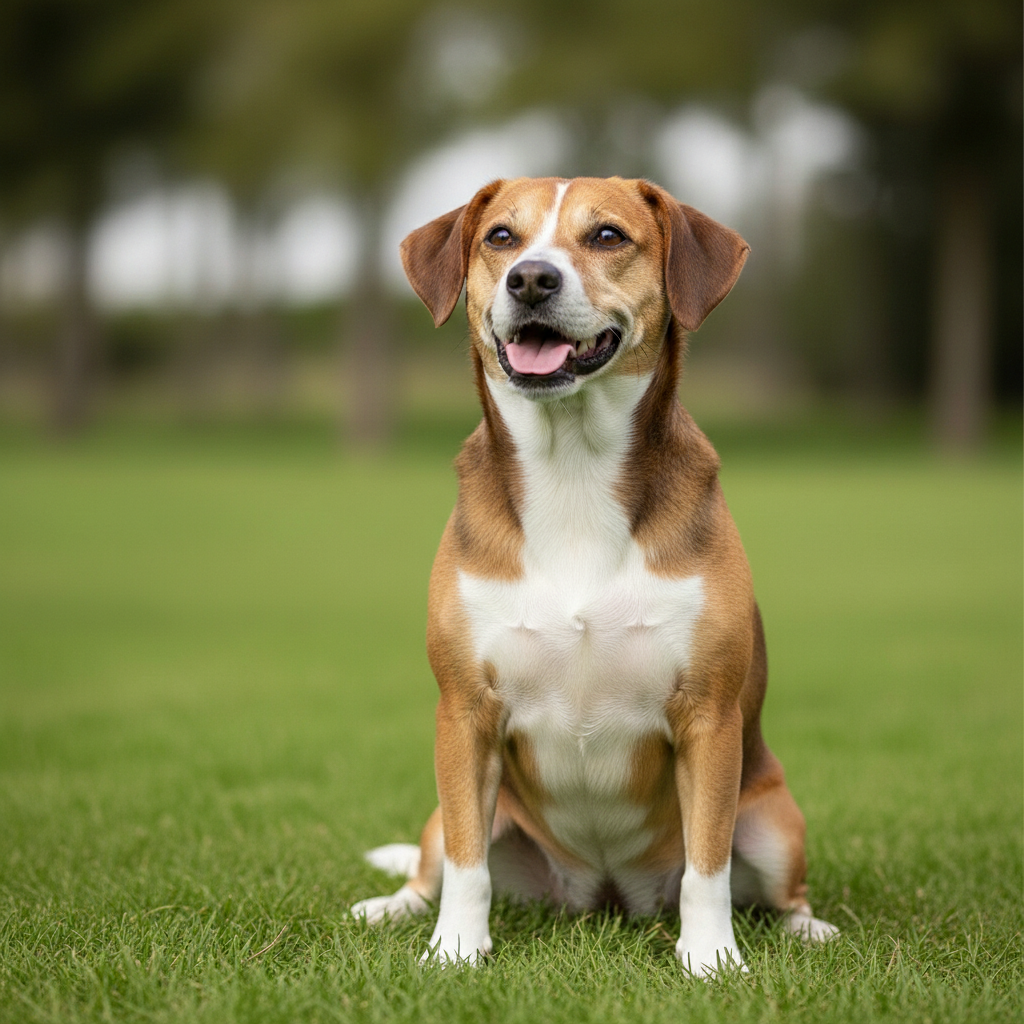
Canine Cognitive Dysfunction is a progressive neurological disorder that affects aging dogs. It leads to gradual decline in brain function, including memory, perception, and behavior.
Studies suggest:
- About 28% of dogs aged 11–12 show at least one symptom
- Nearly 68% of dogs over 15 are affected
Because symptoms can be subtle at first, CCD is often mistaken for “just getting old.”
What Causes Dog Dementia?
The exact cause of dog dementia isn’t fully understood, but several biological changes in the brain contribute to the condition.
Brain Changes
Dogs with CCD often develop beta-amyloid plaques, similar to those seen in human Alzheimer’s disease. These plaques interfere with communication between brain cells.
Oxidative Stress
Damage caused by free radicals can lead to degeneration of brain cells over time, accelerating cognitive decline.
Reduced Blood Flow
Aging can reduce blood circulation to the brain, limiting oxygen and nutrients needed for proper function.
Neurochemical Imbalance
Changes in neurotransmitters like dopamine and serotonin affect mood, memory, and behavior.
Risk Factors
Certain dogs may be more prone to cognitive decline:
- Advanced age (primary risk factor)
- Small and toy breeds
- Dogs with sensory loss (vision or hearing)
- Dogs with neurological or chronic health conditions
Signs and Symptoms of Dog Dementia
Veterinarians often use the acronym DISHAA to identify common symptoms of CCD.
Disorientation
Dogs may appear confused even in familiar places.
- Getting stuck in corners or behind furniture
- Staring at walls or into space
- Difficulty recognizing people or surroundings
- Trouble navigating doorways
Interaction Changes
Your dog’s social behavior may shift noticeably.
- Reduced interest in affection
- Less enthusiasm when greeting you
- Increased clinginess or withdrawal
- Irritability or aggression
Sleep-Wake Cycle Disturbances
Sleep patterns often become disrupted.
- Sleeping more during the day
- Restlessness or pacing at night
- Barking or whining after dark
- Reversed sleep schedule
House-Soiling
Previously trained dogs may forget bathroom habits.
- Accidents inside the house
- Not signaling the need to go outside
- Eliminating in sleeping areas
Activity Level Changes
Behavior may become either sluggish or restless.
- Decreased interest in play
- Wandering or pacing aimlessly
- Repetitive actions like circling
- Reduced response to commands
Anxiety and Restlessness
Many dogs develop increased anxiety.
- Separation anxiety
- Fear of familiar environments
- Excessive vocalization
- General agitation
How Dog Dementia Is Diagnosed
There’s no single test for CCD. Diagnosis is typically made by ruling out other conditions that cause similar symptoms.
Your veterinarian may:
- Perform a physical and neurological exam
- Run blood and urine tests
- Recommend imaging (X-rays, ultrasound, or MRI)
- Review behavioral history
Conditions that need to be ruled out include:
- Arthritis or chronic pain
- Kidney or liver disease
- Thyroid disorders
- Brain tumors
- Vision or hearing loss
Once other causes are excluded, a diagnosis of canine cognitive dysfunction can be made.
Treatment Options for Dog Dementia
While there is no cure, several treatments can help manage symptoms and slow progression.
Medications
- Selegiline (Anipryl): Improves brain function by increasing dopamine levels
- Anti-anxiety medications for stress and agitation
- Sleep aids to regulate sleep cycles
Dietary Support
Nutrition plays a key role in brain health.
- Antioxidants (vitamins E and C) to reduce oxidative damage
- Omega-3 fatty acids for brain function
- Medium-chain triglycerides (MCTs) for energy support
- Supplements like SAMe and phosphatidylserine
Special senior dog diets are often recommended.
Mental Stimulation
Keeping your dog mentally engaged can help slow cognitive decline.
- Puzzle toys and treat games
- Gentle training sessions
- Introducing new (safe) experiences
- Regular interaction and play
Routine and Structure
Dogs with dementia thrive on consistency.
- Feed and walk at the same times daily
- Keep their environment predictable
- Avoid sudden changes in routine
Living With a Dog With Dementia
Caring for a dog with CCD requires patience and adjustments to their environment.
Home Modifications
Make your home safer and easier to navigate.
- Use night lights to reduce confusion
- Add non-slip rugs or flooring
- Block stairs or unsafe areas
- Keep food, water, and bedding accessible
Managing Anxiety
- Create a quiet, comfortable resting space
- Use calming aids like pheromone diffusers
- Avoid overstimulation or loud environments
- Offer gentle reassurance
Hygiene Support
For dogs experiencing house-soiling:
- Take them outside more frequently
- Use indoor potty solutions if needed
- Avoid punishment—this can increase confusion
Regular Vet Visits
Ongoing care is essential.
- Monitor progression of symptoms
- Adjust treatment plans as needed
- Discuss quality-of-life considerations
Stages of Dog Dementia
CCD typically progresses over time.
Mild Stage
- Subtle behavior changes
- Occasional confusion
- Mild sleep disturbances
Care focus: Diet, supplements, and mental stimulation.
Moderate Stage
- Increased disorientation
- Noticeable behavior changes
- Accidents in the house
Care focus: Medication, routine, and environmental adjustments.
Severe Stage
- Failure to recognize family
- Severe anxiety and confusion
- Significant sleep disruption
Care focus: Comfort, safety, and quality of life.
Can Dog Dementia Be Prevented?
There’s no guaranteed way to prevent CCD, but certain habits may reduce risk or delay onset.
Prevention Tips
- Provide lifelong mental stimulation
- Encourage regular physical exercise
- Feed a high-quality, balanced diet
- Maintain a healthy weight
- Schedule regular veterinary checkups
Early care and a healthy lifestyle can make a meaningful difference.
Final Thoughts
Dog dementia is a challenging condition, but it doesn’t mean your dog can’t enjoy their senior years. With the right support, treatment, and environment, many dogs with cognitive dysfunction can continue to live comfortable, fulfilling lives.
If you notice unusual behavioral changes in your aging dog, don’t dismiss them as normal aging. Early intervention is key to slowing progression and improving your dog’s quality of life.support.
FAQs
What are the first signs of dog dementia?
Early signs: Confusion in familiar places, sleep changes, mild house soiling.
How fast does dog dementia progress?
Typically, 6-24 months from mild to severe, varying by dog.
Can diet help dog dementia symptoms?
Yes, antioxidant-rich foods and MCT oil effectively slow progression.
Is dog dementia painful?
No direct pain, but anxiety or mobility loss causes discomfort.
When to euthanize a dog with dementia?
When quality-of-life scores drop, eating stops, suffering rises.