
6 Simple Ways to Fix a Dish That’s Too Spicy
6 Simple Ways to Fix a Dish That’s Too Spicy
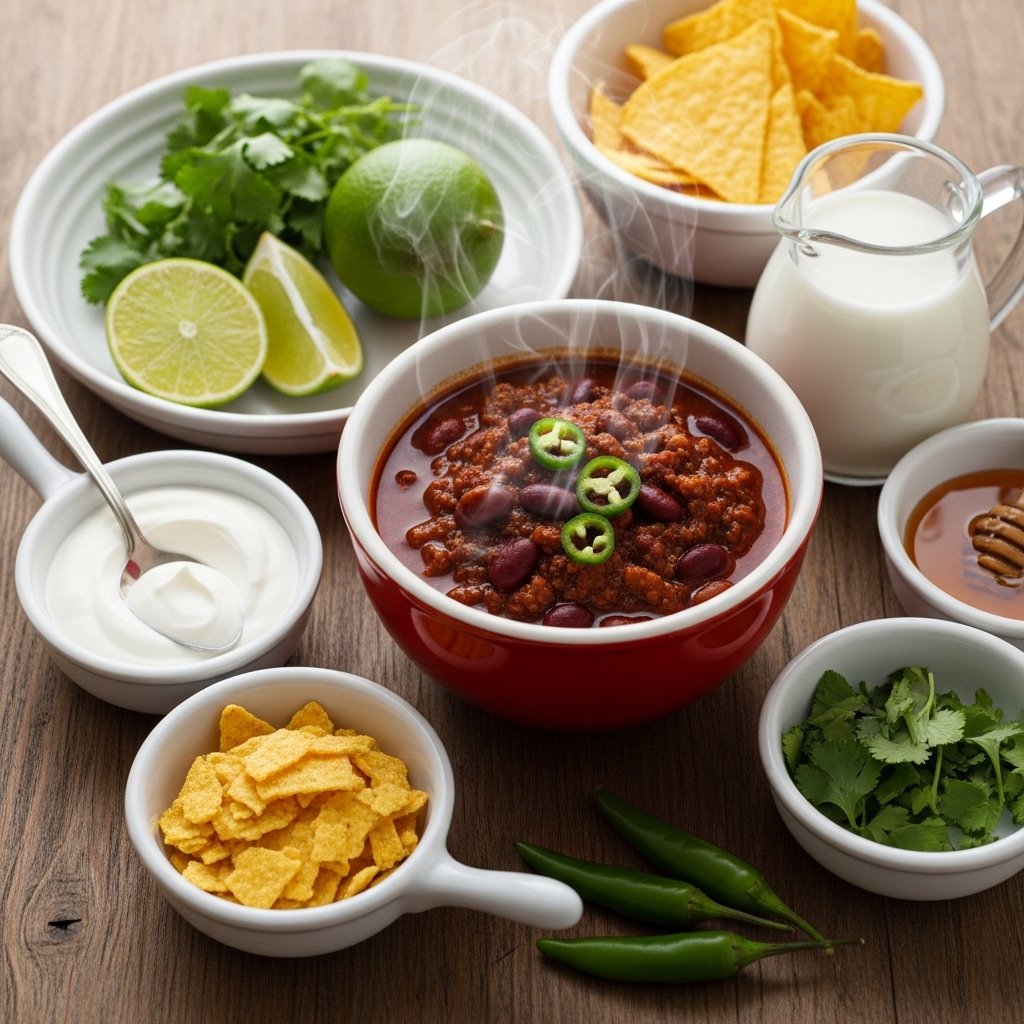
Ever bitten into a curry or stir-fry expecting mild flavor, only to feel the fire?
We’ve all had that moment when too much chili or spice makes a great meal feel like a challenge.
As a food blogger with decades in the kitchen, I rely on these proven fixes.
These methods preserve dishes without masking their original flavors.
Here are some practical steps you can try.
Why Dishes Get Too Spicy
Spicy heat comes from capsaicin in chilies, which binds to pain receptors.
Overdoing it happens fast, especially with fresh peppers or spice blends.
The good news is that you can fix the heat while cooking or even after the dish is done.
These methods work on soups, curries, sauces, and fried dishes.
These tips use dairy, starch, and balancing tricks that chefs around the world rely on.
Method 1: Add Dairy to Neutralize Heat
Dairy is one of the best ways to ease the effects of spicy food.
Fatty foods like cream, yogurt, or milk coat the mouth and block capsaicin receptors.
Stir in full-fat yogurt or coconut milk for curries.
Use 1/4 cup per serving, simmer gently to blend.
Cheese works for pasta sauces—grate in mild cheddar.
In Indian dishes, a dollop of raita cools instantly.
This method works especially well in creamy dishes and helps retain the main flavors.
Method 2: Dilute with Starchy Foods
Stretch the dish by adding rice, potatoes, or bread.
Starches absorb excess spice oils, spreading heat more thinly.
Boil diced potatoes and mix them into stews—they soak up heat like sponges.
Serve with extra rice or naan to tame bites at the table.
Pasta dilutes tomato-based sauces beautifully.
This also makes more food, so you have extra for leftovers.
It’s a great trick for family meals when the spice level gets too high.
Method 3: Balance with Sweetness and Acid
Sugar and citrus help reduce the spice’s sharpness without diluting the flavor.
Honey or sugar tempers capsaicin; lemon brightens and neutralizes.
Add 1 teaspoon of honey per cup of sauce, taste as you go.
Squeeze fresh lime into Thai or Mexican dishes for zing.
Tomato paste adds acid and body to chili.
Use both together for the best balance: add sweetness first, then a bit of acid at the end.
This professional tip brings out the best in spicy-sweet dishes like pad Thai.
Method 4: Incorporate Nut Pastes or Butters
Nuts add fat and creaminess, which help calm down spicy flavors.
Cashew or peanut paste thickens and mellows curries instantly.
Blend 2 tablespoons of soaked cashews with water, stir in.
Tahini works well with Middle Eastern dishes; almond butter with tagines.
Crunchy peanuts add texture to stir-fries.
Vegans appreciate this method because it adds richness without using dairy.
It can turn overly spicy gravies into smooth, enjoyable sauces.
Method 5: Use Oils and Fats Strategically
Oil can dissolve capsaicin, helping remove some of the heat from your dish.
A swirl of butter or olive oil at the end helps retain heat.
For soups, add ghee or sesame oil post-simmer.
Fats like avocado slices pair well with the dish.
Avoid early addition—it spreads spice.
This gentle fix helps keep the original flavors of your dish.
Ideal for oil-based dishes like fajitas.
Method 6: Extend Cooking Time
Low, slow simmering evaporates volatile spice compounds.
Heat breaks down some capsaicin over 10-15 minutes.
Uncover the pot, stir occasionally on medium-low.
Add liquid if needed to prevent sticking.
Works best for wet dishes like dals or chilis.
Be patient and taste your dish every five minutes to check the heat.
You can also combine this method with dilution to get results more quickly.
Quick Prevention Tips for Next Time
Taste as you season; add spice in stages.
Use fresh chilies sparingly and remove the seeds to make the dish less spicy.
Keep dairy or starch sides ready as backups.
Stock coconut milk and potatoes for emergencies.
With practice, these habits will help you handle spicy dishes with confidence.
Pairing Suggestions
Serve fixed dishes with cooling sides.
Cucumber raita, plain yogurt, or iced lassi soothe palates.
Mild naan or quinoa balances bold flavors.
For drinks, go milky—mango lassi or chilled milk tea.
These enhance without overpowering your efforts.
Common Mistakes to Avoid
Don’t just add water, as it can dilute the flavor too much.
Adding too much sweetness can upset the balance, so measure carefully.
If you rush the fixes, the taste can be uneven, so make sure to stir well.
Test small batches first if scaling recipes.
Always taste after each addition.
FAQs
Can sugar reduce spiciness in food?
Yes, add 1 tsp of sugar or honey per cup to balance the capsaicin without overpowering it.
Does milk help with spicy food burn?
Absolutely, milk’s casein breaks down capsaicin; sip or stir it in for quick relief.
How to fix too spicy curry?
Dilute with coconut milk, potatoes, or yogurt; simmer to mellow the heat evenly.
What neutralizes chili heat best?
Dairy products, such as cream or yogurt, work fastest by dissolving the spicy compounds.
Can lemon juice tame spice?
Yes, it’s acid that sharpens; use 1 tbsp per serving and balance with sweetness.