
6 Simple Ways to Fix a Dish That’s Too Spicy
6 Simple Ways to Fix a Dish That’s Too Spicy
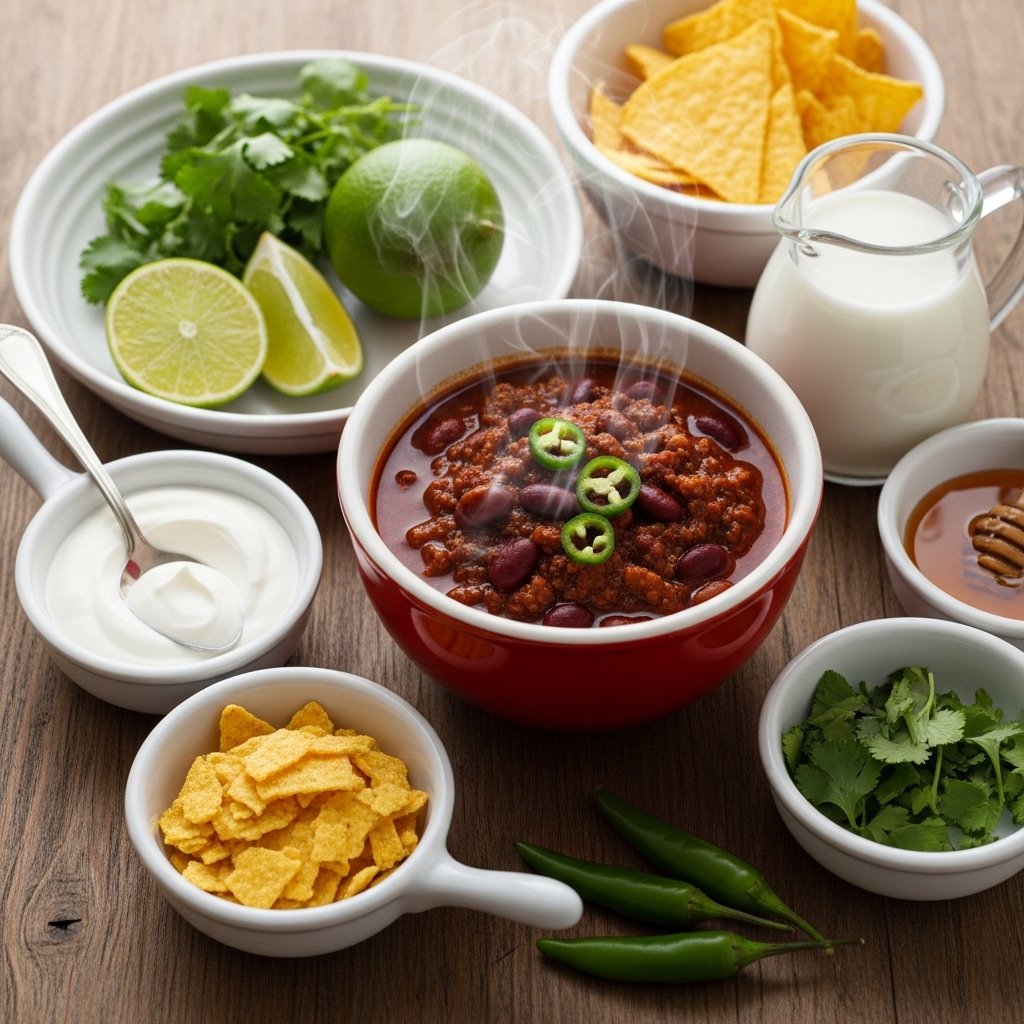
Spicy food can be delicious, but sometimes the heat level goes beyond what you can comfortably enjoy. Whether you accidentally added too many chilies or underestimated the strength of your spices, an overly spicy dish doesn’t have to go to waste. There are several simple and effective ways to reduce the heat and restore balance to your meal without compromising flavor.
In this guide, you’ll learn practical techniques to fix a dish that’s too spicy, using common kitchen ingredients and easy adjustments.
Why Food Becomes Too Spicy
Before fixing the problem, it helps to understand what causes excessive spiciness. The burning sensation in spicy food comes from a compound called capsaicin, found in chili peppers. Capsaicin binds to receptors in your mouth, creating that familiar heat sensation.
When too much capsaicin is present, the dish becomes overpowering. Simply adding more water or ignoring it won’t solve the problem, because capsaicin doesn’t dissolve easily in water. That’s why specific methods work better than others.
Add Dairy to Neutralize Heat
One of the most effective ways to reduce spiciness is by adding dairy products. Dairy contains casein, a protein that helps break down capsaicin and soothe the burning sensation.
You can use ingredients like:
- Milk
- Yogurt
- Cream
- Sour cream
- Cheese
For example, if your curry is too spicy, stirring in some cream or yogurt can instantly tone down the heat while making the texture richer. Similarly, adding cheese to a spicy pasta or taco dish can balance the flavors.
Increase the Quantity of the Dish
Another straightforward method is dilution. If your dish is too spicy, make more of it without adding additional spices.
For example:
- Add more vegetables, meat, or beans to a curry or stew
- Increase the amount of rice or noodles in a dish
- Double the base ingredients like broth or sauce
This spreads the spice across a larger volume, reducing the intensity in each bite. It’s one of the best solutions when you have enough ingredients on hand.
Add Sweetness for Balance
Sweet ingredients can counteract spiciness by balancing the overall flavor profile. While they don’t remove capsaicin, they distract your taste buds and reduce the perception of heat.
You can add:
- Sugar
- Honey
- Maple syrup
- Jaggery
- Coconut milk
For example, adding a small amount of sugar or honey to a spicy tomato sauce can soften the sharp heat and create a more rounded taste. Coconut milk works especially well in Asian and Indian dishes, giving both sweetness and creaminess.
Use Acidic Ingredients
Acidic components can help cut through the heat and brighten the dish. Acids don’t neutralize capsaicin directly, but they balance flavors and reduce the overall intensity.
Try adding:
- Lemon juice
- Lime juice
- Vinegar
- Tomatoes
A squeeze of lemon or lime juice at the end of cooking can make a noticeable difference. In soups and curries, adding tomatoes or a splash of vinegar can mellow out the spice while enhancing the taste.
Add More Fats
Fat helps absorb and distribute capsaicin, reducing its impact on your taste buds. This is why spicy dishes often taste less intense when paired with fatty ingredients.
You can use:
- Butter
- Oil
- Cream
- Nut butters like peanut or cashew paste
For example, stirring butter into a spicy sauce or adding a spoonful of peanut butter to a curry can make it smoother and less fiery.
Serve with Neutral Side Dishes
If you can’t change the main dish, you can balance it by serving it with mild, neutral sides. This doesn’t fix the dish itself but helps make it more enjoyable.
Good options include:
- Plain rice
- Bread or roti
- Noodles
- Boiled potatoes
These foods dilute the spice with each bite and give your palate a break from the heat.
Add More Liquid (the Right Way)
While water alone isn’t very effective, adding flavorful liquids can help dilute the spice while maintaining taste.
Use:
- Broth or stock
- Coconut milk
- Tomato puree
- Cream-based liquids
For example, if a soup is too spicy, adding more broth can reduce the heat without making it bland. Always adjust seasoning afterward to maintain balance.
Incorporate Nut Pastes or Seeds
Nut-based ingredients can help tone down spice while adding richness and depth.
You can try:
- Almond paste
- Cashew paste
- Tahini (sesame paste)
These ingredients are commonly used in many cuisines to create creamy textures and mild flavors. Adding them to a spicy curry or sauce can significantly reduce the heat level.
Remove or Reduce Spicy Elements
If possible, physically removing some of the spicy ingredients can help.
For example:
- Take out whole chilies from the dish
- Remove excess chili oil from the surface
- Avoid crushing whole spices further
This works best when the dish contains visible spice components that haven’t fully blended in.
Add Starch to Absorb Heat
Starchy ingredients can absorb some of the spice and reduce its intensity.
You can add:
- Potatoes
- Rice
- Pasta
- Bread crumbs
For instance, adding boiled potatoes to a spicy curry can help soak up excess heat and make the dish more palatable.
Use Cooling Garnishes
Fresh herbs and cooling toppings can reduce the perception of spiciness.
Try garnishing with:
- Cilantro (coriander leaves)
- Mint
- Yogurt drizzle
- Cucumber slices
These ingredients add freshness and contrast, helping balance the overall flavor of the dish.
Adjust Seasoning Carefully
Sometimes, a dish feels too spicy because it lacks balance. Enhancing other flavors can help reduce the dominance of heat.
Consider adjusting:
- Salt (enhances overall flavor)
- Sweetness (balances heat)
- Acidity (adds brightness)
Make small adjustments gradually and taste as you go to avoid overcorrecting.
Preventing Overly Spicy Dishes in the Future
While it’s useful to know how to fix a spicy dish, prevention is even better.
Here are some tips:
- Add spices gradually and taste frequently
- Use mild chili varieties if unsure
- Remove seeds from chilies to reduce heat
- Balance spices with other ingredients from the start
Cooking is all about balance, and building flavors step by step helps you avoid mistakes.
Common Mistakes to Avoid
When trying to fix a spicy dish, some methods can make things worse.
Avoid:
- Adding only water, which dilutes flavor without reducing heat effectively
- Overloading sugar, which can make the dish too sweet
- Adding too much acid, which can overpower the taste
- Ignoring the issue and hoping it improves on its own
Instead, use a combination of techniques for the best results.
A Quick Example
Imagine you made a curry that turned out too spicy. Here’s how you could fix it step by step:
- Add a splash of cream or coconut milk
- Stir in a small amount of sugar
- Add boiled potatoes or extra vegetables
- Finish with a squeeze of lime juice
This combination balances heat, richness, and flavor, turning the dish into something enjoyable.
Final Thoughts
Fixing a dish that’s too spicy is easier than it seems. With the right approach, you can transform an overly hot meal into a well-balanced and delicious one. Whether you use dairy, sweetness, acidity, or dilution, each method works by addressing the heat from a different angle.
Cooking mistakes happen to everyone, but they’re also an opportunity to learn and improve your skills. The next time your dish turns out too spicy, you’ll know exactly how to fix it and make it even better.
FAQs
Can sugar reduce spiciness in food?
Yes, add 1 tsp of sugar or honey per cup to balance the capsaicin without overpowering it.
Does milk help with spicy food burn?
Absolutely, milk’s casein breaks down capsaicin; sip or stir it in for quick relief.
How to fix too spicy curry?
Dilute with coconut milk, potatoes, or yogurt; simmer to mellow the heat evenly.
What neutralizes chili heat best?
Dairy products, such as cream or yogurt, work fastest by dissolving the spicy compounds.
Can lemon juice tame spice?
Yes, it’s acid that sharpens; use 1 tbsp per serving and balance with sweetness.