
How to Cook Dried Beans Perfectly
How to Cook Dried Beans Perfectly
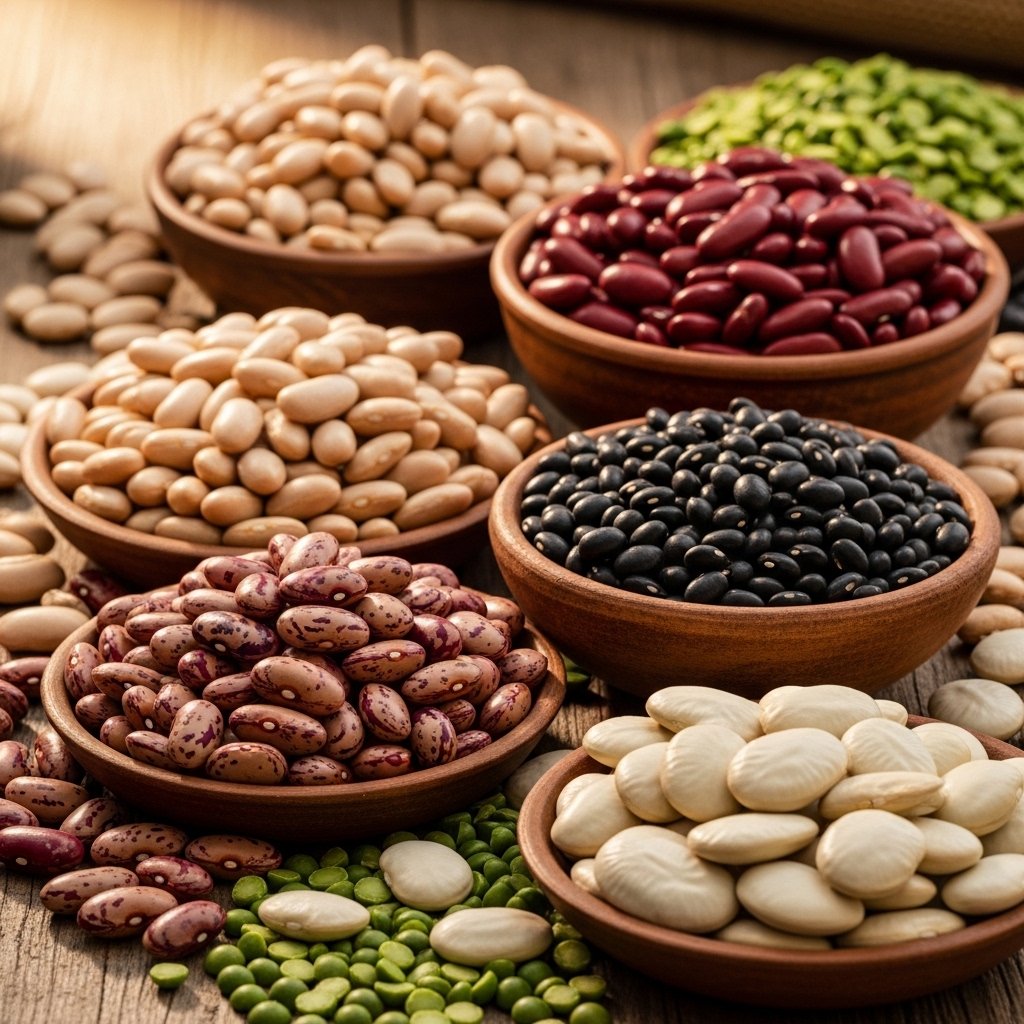
Dried beans are one of the most useful ingredients you can keep in your pantry—affordable, nourishing, and endlessly adaptable. With a little know-how, you can turn a simple bag of beans into tender, flavorful meals all week long.
Below is a completely rewritten, clearly structured, and grammar-checked version of your guide, keeping all the core information but with smoother flow and a more helpful layout.
Why Cook with Dried Beans?
Dried beans are a staple across countless cuisines for good reason. They’re budget-friendly, easy to store, and incredibly versatile. Once you understand how to soak, simmer, and season them properly, you can count on consistently tender beans that outshine canned versions in both flavor and texture.
This guide covers everything from choosing and storing dried beans to soaking options, cooking methods, seasoning ideas, and storage tips—so you can confidently make beans part of your regular cooking routine.
Choosing and Storing Dried Beans
Picking Good-Quality Beans
Good results start with good beans. Look for:
- Whole, intact beans: Avoid cracked, broken, or shriveled beans.
- Even color: Beans should have a uniform, vibrant color without discoloration or dullness.
- No insect damage or debris: Check for small holes, dust, or stones and avoid bags that look dirty or damaged.
Common varieties you’ll see include:
- Black beans
- Pinto beans
- Kidney beans
- Cannellini (white kidney) beans
- Navy beans
- Lima beans
- Chickpeas (garbanzo beans)
- Lentils (brown, green, red, etc.)
Lentils and split peas are technically legumes like beans, but they cook differently and usually do not require soaking.
How to Store Dried Beans
- Container: Store beans in an airtight jar or container.
- Location: Keep in a cool, dry, dark place—like a pantry or cupboard, away from heat and moisture.
- Shelf life: For best results, use within about a year. Older beans may stay tough, even after long cooking, and can take much longer to soften.
If your beans have been sitting around for years, consider buying a fresh bag before starting a big batch.
Do You Really Need to Soak Beans?
Soaking beans is not strictly required, but it offers several benefits:
- Shortens cooking time
- Helps beans cook more evenly
- Can make beans easier to digest for some people
Larger beans (like kidney, pinto, black, and cannellini) usually benefit from soaking. Smaller legumes such as lentils, split peas, and mung beans can typically be cooked without soaking.
Two Main Soaking Methods
1. Overnight Soak
- Place beans in a large bowl or pot.
- Cover with several inches of cold water (beans will expand as they soak).
- Soak for 8–12 hours, or overnight.
- Drain and rinse before cooking.
This method is ideal for planned meals and gives you beans that cook more quickly and evenly.
2. Quick Soak
- Add beans to a large pot and cover with several inches of water.
- Bring to a boil and cook for 2–3 minutes.
- Remove from heat, cover the pot, and let the beans sit for about 1 hour.
- Drain, rinse, and proceed with cooking.
Quick soaking is great when you forget to soak beans the night before but don’t want to cook them entirely unsoaked.
Soaking also helps rinse away some of the compounds that can cause digestive discomfort for certain people.
How to Cook Dried Beans Step by Step
Once your beans are soaked (or if you’re using no-soak varieties like lentils), follow these steps:
1. Rinse and Drain
- Drain off the soaking water.
- Rinse beans thoroughly under cool running water to remove any remaining residue or starch.
2. Add Water and Aromatics
Place the beans in a heavy-bottomed pot and add fresh water to cover them by about 2 inches. Then build flavor with aromatics such as:
- Bay leaves
- Onion halves or quarters
- Smashed garlic cloves
- Celery stalks
- Carrot chunks
- Optional cured meats (slab bacon, ham hock, prosciutto skin, or smoked sausage pieces)
These additions infuse the cooking liquid and beans with deeper flavor.
Salt and timing: Many cooks prefer to add salt near the end of cooking for softer skins, though some add a modest amount earlier for better overall seasoning. You can experiment to see what you prefer.
3. Bring to a Boil, Then Simmer
- Place the pot over high heat and bring the water just to a boil.
- Once boiling, reduce the heat to a gentle simmer.
- Partially cover the pot with a lid to retain some moisture while preventing boil-overs.
4. Simmer Until Tender
- Maintain a gentle simmer, not a hard boil.
- Cooking time varies by bean type and freshness and can range from about 45 minutes to 2 hours for most soaked beans.
- Stir occasionally and skim off any foam that rises to the surface.
5. Test for Doneness
Use the “five-bean test”:
- Taste five beans from different spots in the pot.
- If all five are tender and creamy inside (not chalky or firm), the batch is done.
Beans in the same pot can cook at slightly different rates, so testing more than one is important.
6. Season and Rest
- When beans are cooked to your liking, add kosher salt (if you haven’t already) and adjust seasoning.
- Let the beans rest in their cooking liquid for about 15 minutes. This helps them absorb flavor and stay moist.
- Remove large aromatics like bay leaves, onion pieces, or cured meat before serving or storing.
Seasoning Beans: Aromatics and Flavor Ideas
Beans have a mild flavor on their own, which makes them a blank canvas for seasonings from all over the world.
Aromatics and Add-Ins
- Herbs & spices: Thyme, bay leaves, rosemary, sage, oregano, cumin, smoked paprika, or chili flakes.
- Vegetables: Onion, garlic, celery, carrots, bell peppers.
- Meats (optional): Slab bacon, ham hocks, smoked turkey, andouille sausage, prosciutto skin—all add richness and smokiness.
Regional Flavor Profiles
- Tex-Mex: Jalapeños, chili powder, cumin, garlic, and a dash of hot sauce.
- Cajun/Creole: Andouille sausage, smoked paprika, thyme, green onion, and chile flakes.
- Mediterranean: Olive oil, bay, garlic, rosemary or thyme, plus fresh parsley at the end.
Classic Bean Variations to Try
- Best Basic Pinto Beans:
Simmer pinto beans with onion, garlic, bay leaves, and a bit of bacon or ham. Finish with salt and pepper. Serve with grated cheddar and chopped red onion. - Tuscan-Style Cannellini Beans:
Cannellini beans cooked with onion, celery, carrot, garlic, thyme, bay leaves, and bacon or prosciutto skin until thick and creamy. Finish with olive oil and fresh herbs. - Cajun-Style Beans:
Beans simmered with andouille sausage, paprika, thyme, chile flakes, and green onions for a smoky, spicy dish. - Tex-Mex Beans:
Pinto or black beans seasoned with jalapeños, chili powder, cumin, and hot sauce. Serve with guacamole, salsa, sour cream, and fresh cilantro.
Approximate Cooking Times for Common Dried Beans
Use these times as a general guide for soaked beans simmered on the stovetop:
| Bean Variety | Soaking Needed? | Simmer Time | Notes |
|---|---|---|---|
| Pinto | Yes | 1.5–2 hours | Ideal for chili, refried beans |
| Cannellini | Yes | 1–1.5 hours | Great for soups and salads |
| Kidney | Yes | 1–1.5 hours | Perfect for stews, jambalaya |
| Black beans | Yes | 1–1.5 hours | Great in tacos, burritos, bowls |
| Lentils | No | 25–40 minutes | No soaking needed |
Times can vary depending on bean age and stovetop heat, so always check for tenderness rather than relying on the clock alone.
Money-Saving and Health Benefits
Cooking with dried beans offers both economic and nutritional advantages:
- Cost-effective: A bag of dried beans is much cheaper than the equivalent amount of canned beans and yields more portions.
- Nutrient-dense: Beans are rich in fiber, plant-based protein, complex carbohydrates, iron, magnesium, folate, and other vitamins and minerals.
- Diet-friendly: Naturally gluten-free and suitable for vegetarian and vegan diets. They’re also great for adding bulk and protein to meals without meat.
How to Store Cooked Beans
In the Refrigerator
- Let beans cool in their cooking liquid.
- Transfer to an airtight container, making sure the beans are fully or mostly covered by liquid to prevent drying out.
- Refrigerate for up to 5 days.
In the Freezer
- Portion cooked beans and some of their cooking liquid into freezer-safe containers or bags.
- Label with the bean variety and date.
- Freeze for up to 3 months.
- Thaw overnight in the refrigerator or reheat gently on the stovetop, adding a little water if needed.
This makes it easy to cook a large batch once and use beans in multiple meals over time.
Tips for Perfect Beans Every Time
- Use a heavy-bottomed pot to prevent scorching.
- Keep the simmer gentle, not rolling, to avoid splitting skins.
- Use the “five bean test” to confirm doneness.
- Skim off and discard any foam that forms during cooking.
- Add acidic ingredients (tomatoes, vinegar, citrus) only after beans are fully tender—acid can slow softening.
- For very old or stubborn beans, a pinch of baking soda can help soften them, but use sparingly and taste to ensure the flavor isn’t affected.
- Experiment with when to add salt—near the end for softer skins, or partway through for deeper seasoning.
Creative Ways to Use Cooked Beans
Once you have a pot of cooked beans, there are endless ways to use them:
- Salads: Toss with olive oil, lemon juice, fresh herbs, chopped vegetables, and grains.
- Soups & stews: Add to chili, minestrone, gumbo, or vegetable soups for heartiness.
- Side dishes: Make refried beans, baked beans, or simply mash cooked beans with olive oil and spices.
- Dips: Blend chickpeas or white beans with tahini, olive oil, garlic, and lemon for hummus-style spreads.
- Main dishes: Build bean and rice bowls, burrito bowls, shakshuka-style dishes, or veggie-packed skillets.
FAQs
How long should dried beans be cooked on the stovetop?
Soak beans for 1–2 hours, then simmer until tender; test for creaminess.
Do you need to soak dried beans before cooking?
An overnight soak is recommended; a quick soak works, or skip it for pressure cooking.
Can I cook dried beans without soaking?
Yes, Instant Pot or slow cooker; add 30–50% more time.
Why are my dried beans still hard after cooking?
Old beans or added salt/acid too early; simmer longer with baking soda.
How to store cooked dried beans?
Fridge 5 days in liquid; freeze portions up to 6 months.