
How to Cook Perfect Fluffy Quinoa
How to Cook Perfect Fluffy Quinoa
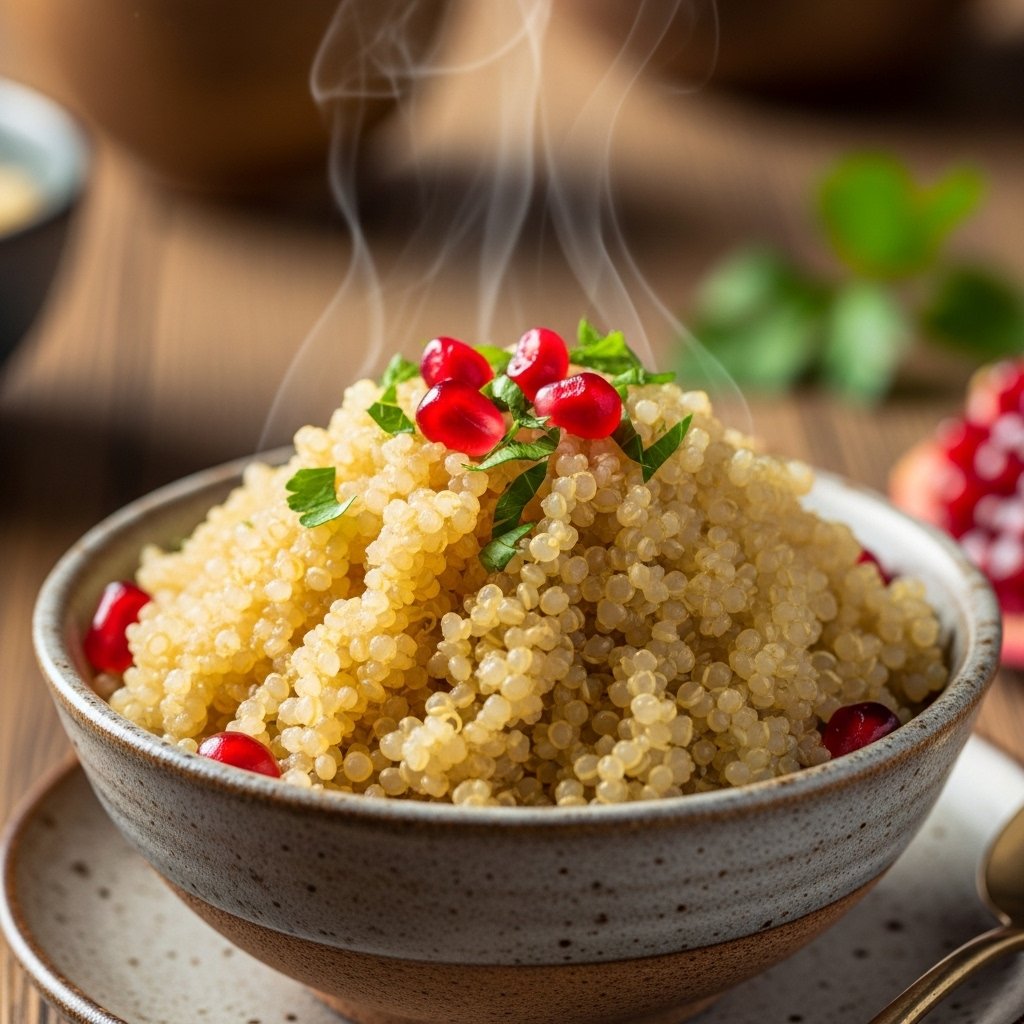
Quinoa has become a go-to ingredient in many modern kitchens thanks to its light, fluffy texture, gentle nutty flavor, and impressive nutrition. Once you understand a few simple steps—rinsing, the right liquid ratio, gentle simmering, and proper resting—you can make perfect quinoa consistently, whether it’s for breakfast, hearty bowls, or simple side dishes.
Here is a fully rewritten, polished version of your guide, with clear structure, natural flow, and corrected grammar.
What Is Quinoa?
Quinoa (pronounced keen-wah) is a seed that’s cooked and eaten like a grain, which is why it’s often called a “pseudo-cereal.” Although it looks and behaves like rice or couscous, it’s naturally gluten-free and richer in protein, fiber, and minerals than many traditional grains.
You’ll commonly find these varieties:
- White quinoa: Mildest flavor, softest and fluffiest texture.
- Red quinoa: Slightly earthier flavor and a firmer texture that holds up well in salads.
- Black quinoa: Earthy and a bit sweeter, with the firmest bite.
- Tri-color blends: A mix of white, red, and black for extra color and texture.
Why Home Cooks Love Quinoa
Quinoa is popular not just for its nutrition, but also for how easy and adaptable it is:
- Quick and convenient: It cooks in about 15 minutes, making it ideal for busy weeknights.
- Versatile: It works as a base for bowls, a side dish, a salad component, or even a warm breakfast “porridge.”
- Nutrient-dense: High in protein and fiber, with valuable minerals like magnesium and iron.
- Gluten-free: Naturally suitable for many dietary needs and lifestyles.
Essential Steps for Cooking Quinoa
Ingredients and Equipment
To cook a basic batch of quinoa, you’ll need:
- 1 cup uncooked quinoa (any variety or blend)
- 2 cups water or broth
- Vegetable or chicken broth add savory flavor
- Coconut milk works well for creamy, breakfast-style quinoa
- ½ teaspoon salt (optional, or to taste)
- 2 teaspoons olive oil (optional, especially if toasting)
Equipment:
- Medium saucepan with a tight-fitting lid
- Fine-mesh strainer
- Fork for fluffing the cooked quinoa
Step 1: Rinse the Quinoa Thoroughly
Quinoa is naturally coated in saponins, a bitter-tasting compound that protects the plant from pests but can make your cooked quinoa taste harsh or soapy if not rinsed off.
How to rinse properly:
- Measure your quinoa and place it in a fine-mesh strainer.
- Rinse under cool running water for 1–2 minutes, using your fingers to gently rub and stir the grains.
- Let it drain well to remove excess water before cooking.
Even if the package says “pre-rinsed,” a quick rinse improves flavor and ensures a cleaner, more pleasant taste.
Step 2: Toast the Quinoa (Optional but Recommended)
Toasting adds a deeper, nuttier flavor and makes quinoa more aromatic.
- After rinsing and draining, heat 2 teaspoons of olive oil in your saucepan over medium to medium-high heat.
- Add the quinoa and cook, stirring frequently.
- Toast for about 2–3 minutes, until the grains are lightly dry, start to smell nutty, and you hear a faint popping sound.
This step is optional, but it elevates both flavor and aroma with very little extra effort.
Step 3: Add Liquid and Bring to a Boil
The standard liquid-to-quinoa ratio is:
- 2 parts liquid : 1 part quinoa
For 1 cup of quinoa, use 2 cups of water, broth, or another cooking liquid.
- Add the water or broth to the saucepan with the quinoa.
- Stir in the salt, if using.
- Increase heat to medium-high and bring the mixture to a strong, steady boil.
Approximate yields:
| Uncooked Quinoa | Liquid | Servings (Side Dish) | Cooked Yield (Approx.) |
|---|---|---|---|
| ½ cup | 1 cup | 1–2 | ~1½ cups |
| 1 cup | 2 cups | 3–4 | ~3 cups |
| 2 cups | 4 cups | 6–8 | ~6 cups |
Flavor tip: Add a bay leaf, smashed garlic clove, piece of ginger, or a small bundle of herbs directly to the pot as it cooks to gently infuse the quinoa.
Step 4: Simmer Gently and Cover
Once the liquid is boiling:
- Reduce the heat to low so the quinoa simmers gently rather than boiling hard.
- Cover the saucepan with a tight-fitting lid.
- Let it cook for about 15 minutes, undisturbed. Avoid lifting the lid, as you’ll lose steam that’s needed for even cooking.
At the end of the cook time, most or all of the liquid should be absorbed. You’ll often see little “steam holes” or channels on the surface and the quinoa’s tiny white “tails” (the germ) separating from the seed.
Step 5: Let the Quinoa Rest Off the Heat
Resting is the secret to fluffy quinoa:
- Remove the saucepan from the heat but leave the lid on.
- Let the quinoa sit, covered, for 5–10 minutes.
This resting period allows the remaining steam to finish cooking the grains gently, giving them a light, tender texture without sogginess.
Step 6: Fluff and Serve
After resting:
- Remove the lid.
- Use a fork to gently fluff the quinoa, separating the grains instead of stirring vigorously.
- Serve warm as a side dish, or let it cool for salads, bowls, and other recipes.
Quinoa can be enjoyed warm, at room temperature, or cold, depending on the dish.
Storing and Freezing Cooked Quinoa
Refrigerating
- Let cooked quinoa cool to room temperature.
- Transfer it to an airtight container.
- Refrigerate for up to 5 days.
Freezing
- Cool quinoa completely.
- Portion it into freezer-safe bags or containers—flatten bags for easy stacking and faster thawing.
- Label and date.
- Freeze for up to 2 months.
To use, thaw overnight in the refrigerator or reheat directly from frozen with a splash of water in a pan or microwave.
Common Quinoa Questions and Troubleshooting
Why Is Rinsing Quinoa Important?
Rinsing removes most of the saponins that can make quinoa taste bitter or soapy. Skipping this step is one of the most common reasons quinoa tastes off. A quick rinse gives you a milder, cleaner flavor.
Why Is My Quinoa Mushy?
Mushy quinoa usually comes from:
- Using too much liquid
- Cooking it too long
- Stirring aggressively while it simmers
To avoid this:
- Stick to a 2:1 ratio (or try 1¾ cups liquid per 1 cup quinoa if you prefer very separate grains).
- Simmer gently with the lid on for about 15 minutes, then rest.
- Fluff gently with a fork rather than stirring.
Why Is My Quinoa Crunchy?
Crunchy or undercooked quinoa is often caused by:
- Too little liquid
- Not enough cooking time
- Not allowing it to rest and steam after cooking
Make sure all the liquid is absorbed, keep the lid on during cooking, and let it rest for 5–10 minutes off the heat before fluffing.
Cooking Quinoa in a Rice Cooker or Instant Pot
Rice Cooker
- Use the same 2:1 liquid-to-quinoa ratio.
- Rinse quinoa as usual, add it to the rice cooker with water or broth, then follow the white rice setting or your cooker’s manual instructions.
- Let it sit a few minutes after the cycle finishes, then fluff.
Instant Pot (Pressure Cooker)
- Use about 1 cup quinoa to 1.25 cups liquid.
- Rinse quinoa and add to the pot with water or broth and a pinch of salt if desired.
- Cook on Manual/High pressure for 1 minute.
- Allow a 10-minute natural release, then release any remaining pressure.
- Fluff with a fork.
Flavor Variations and Serving Ideas
How to Add Flavor While Cooking
- Aromatics in the pot: Add a bay leaf, sprig of thyme, garlic clove, or ginger slice to the cooking liquid.
- Spices with the toast: When toasting quinoa in oil, add ground cumin, coriander, smoked paprika, curry powder, or chili flakes for extra depth.
- Richer liquids: Cook in vegetable or chicken broth for savory dishes, or use coconut milk (straight or mixed with water) for creamy breakfast quinoa.
Easy Ways to Serve Quinoa
- Grain bowls: Use as a base and top with roasted vegetables, beans or chickpeas, leafy greens, and a simple sauce.
- Salads: Toss cooled quinoa with chopped veggies, herbs, nuts or seeds, and a lemony vinaigrette or olive oil–based dressing.
- Breakfast quinoa: Warm quinoa with milk, cinnamon, fruit, and a drizzle of honey or maple syrup.
- Veggie burgers or patties: Mix cooked quinoa into veggie burger mixtures for added texture and protein.
- Simple side: Season with olive oil, salt, pepper, lemon juice, and herbs, then serve alongside fish, chicken, tofu, or roasted meats.
Nutrition Benefits of Quinoa
A cooked cup of quinoa provides around:
- 8 grams of protein
- 5 grams of fiber
- Important minerals like magnesium, manganese, phosphorus, and folate
It’s naturally gluten-free and has a relatively low glycemic impact compared to many refined grains, making it a smart choice for balanced meals.
Expert Tips for Perfect Quinoa Every Time
Make extra on purpose and store it for quick salads, bowls, and breakfasts throughout the week.
Never skip rinsing to avoid bitterness.
Don’t stir while simmering—just cover and let it cook undisturbed.
If quinoa seems slightly wet after cooking, rest it longer with the lid on, or remove the lid and let it sit a few extra minutes so excess moisture can evaporate.
Frequently Asked Questions
Does quinoa always need to be rinsed?
Yes, it’s strongly recommended. Rinsing removes most of the natural saponins that can cause bitterness.
Can I cook quinoa without a lid?
A lid is important. It traps steam, which cooks the quinoa evenly and helps it stay fluffy rather than dry or crunchy.
Can I use liquids other than water?
Absolutely. Broth adds savory depth, while coconut or almond milk is great for sweet or creamy dishes.
Is quinoa healthier than rice?
Quinoa typically has more protein and fiber than white rice and contains all nine essential amino acids, making it a complete plant-based protein source.
What’s the best way to reheat quinoa?
Add a small splash of water, cover loosely, and reheat in the microwave. Or warm on the stovetop over low heat, stirring occasionally until hot.
How much cooked quinoa does 1 cup of dry quinoa make?
About 3 cups of cooked quinoa.