
How to Make Soft-Boiled Eggs
How to Make Soft-Boiled Eggs
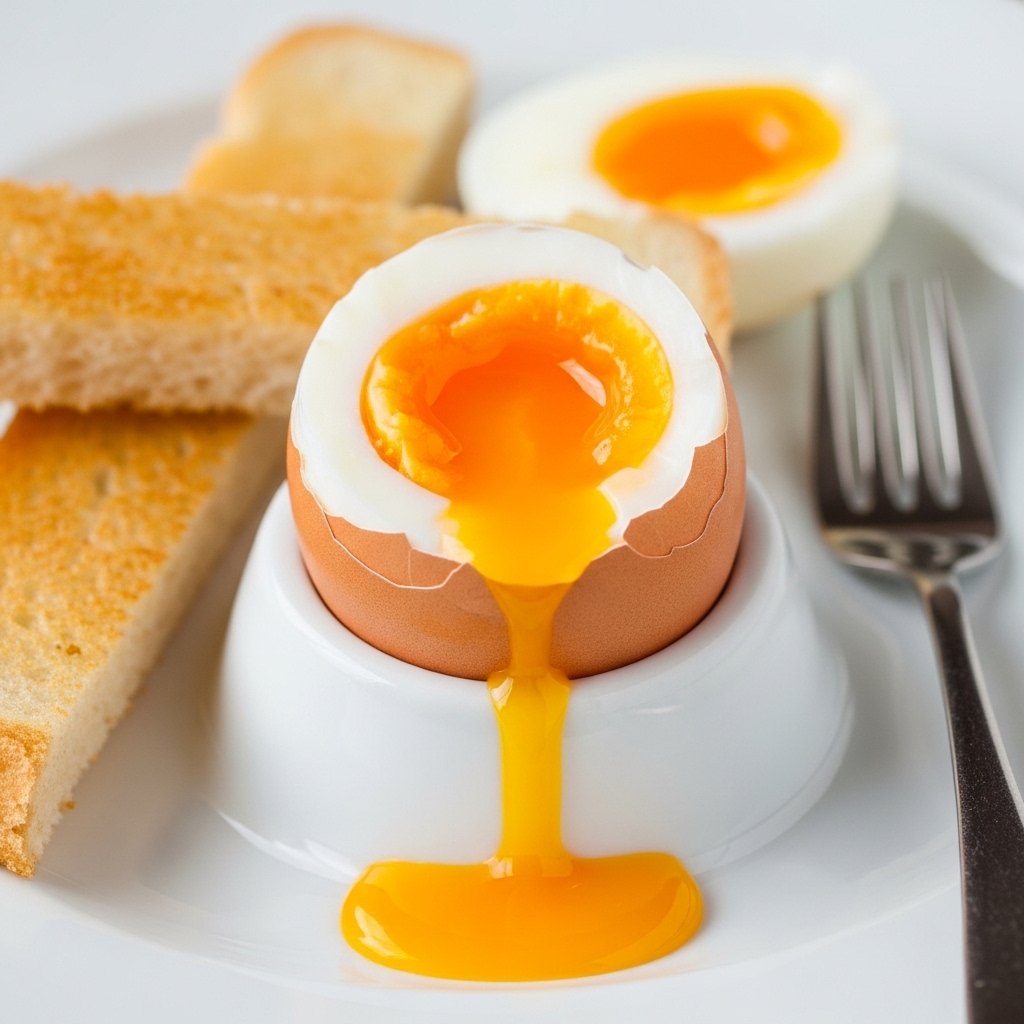
Soft-boiled eggs strike a perfect balance between texture and speed. The whites are set but delicate, and the yolks stay warm, creamy, and runny. They cook in just a few minutes—faster than hard-boiled eggs—and add a restaurant-style touch to everyday dishes with almost no effort.
You can eat them straight from the shell, spooned over toast, or halved and nestled into soups, salads, and grain bowls. Once you master the timing, they quickly become a reliable, versatile recipe in your kitchen.
Essential Equipment and Ingredients
To make consistently great soft-boiled eggs, gather:
- Eggs: Large eggs, preferably about a week old (they peel more easily than very fresh eggs).
- Medium saucepan: A 2–3 quart saucepan works well for 1–4 eggs.
- Slotted spoon: For gently lowering eggs into the water and lifting them out.
- Bowl of ice water: To stop the cooking instantly and help with peeling.
- Timer: Essential for accurate, repeatable results.
Avoid overcrowding the pan. Cooking more than four eggs at once in a small pot can lead to uneven cooking and cracked shells.
Step-by-Step: How to Make Soft-Boiled Eggs
1. Bring the Water to a Boil
- Fill your saucepan with enough water to cover the eggs by about 2.5 cm (about 1 inch).
- Place over high heat and bring the water to a strong rolling boil.
Starting with boiling water makes timing more reliable and consistent from batch to batch.
2. Reduce to a Gentle Simmer
- Once the water is boiling, reduce the heat so it’s at a gentle simmer.
- You should see small, steady bubbles—not a vigorous boil.
This gentler movement protects the eggs from bouncing around and cracking against the pan.
3. Carefully Lower the Eggs
- Using a slotted spoon, gently lower eggs into the hot water one at a time.
- Lower them slowly to minimize sudden temperature shock and splashing.
If your eggs are very cold from the fridge, you can let them sit at room temperature for a few minutes before cooking to further reduce the chance of cracking.
4. Set the Timer
As soon as all the eggs are in the gently simmering water and the simmer has stabilized again, start your timer:
- 6 minutes: Very runny yolk, very tender white.
- 6½ minutes: Fully set white, yolk is runny but slightly thickened.
- 7 minutes: Tender white and a “jammy” yolk—mostly set, still glossy, thick, and creamy.
- 8 minutes: Firm whites and a soft yolk that’s just beginning to set around the edges but still soft in the center.
Do not guess—use a timer every time for consistency.
5. Prepare an Ice Bath
While the eggs cook:
- Fill a large bowl with cold water and plenty of ice.
- This ice bath will stop the cooking the moment the eggs are removed from the saucepan, helping you hit your ideal yolk texture and making peeling easier.
6. Chill the Eggs
- When the timer goes off, immediately lift the eggs from the hot water with the slotted spoon.
- Transfer them directly into the ice bath.
- Let them chill for at least 3–5 minutes, or until they are cool enough to handle comfortably.
This step prevents carryover cooking that would otherwise firm up the yolks.
7. Peel and Serve
To peel:
- Gently tap the wider end of the egg (where the air pocket is) on the counter to crack the shell.
- Roll the egg lightly to create more cracks all around.
- Starting at the wide end, peel the shell away.
- You can slide a small spoon under the membrane to help the shell come off more cleanly if needed.
Peel the eggs soon after chilling for the easiest shell removal.
Timing Guide: Soft-Boiled Egg Doneness
Use this as a quick reference for how long to cook your eggs:
| Cooking Time | Egg White | Egg Yolk |
|---|---|---|
| 6 minutes | Barely set | Very runny |
| 6½ minutes | Fully set | Runny, slightly thickened |
| 7 minutes | Firm and tender | Jammy, mostly set but still glossy |
| 8 minutes | Firm | Soft, just starting to firm at edge |
If you’re unsure what you like best, cook a few eggs at different times to find your ideal texture.
Pro Tips for Perfect Soft-Boiled Eggs
- Don’t overcrowd the pan: Stick to 1–4 eggs in a medium saucepan for even cooking and gentle movement.
- Keep the simmer gentle: A raging boil can crack eggs and make the whites ragged.
- Use slightly older eggs: Eggs that are about a week old peel more easily; very fresh eggs cling tightly to their shells.
- Peel while they’re cool, not ice-cold: Peeling soon after the ice bath gives the best balance of easy handling and shell release.
- Always start timing from a stable simmer: Make sure the water returns to a gentle simmer after adding the eggs before you start the timer.
Common Mistakes to Avoid
- Boiling too vigorously: This can cause eggs to bang into each other and crack, leading to leaking whites.
- Skipping the ice bath: Without rapid cooling, eggs will continue to cook, and your runny yolk can become medium or hard.
- Not using a timer: Guessing leads to inconsistent results and frustrating surprises.
- Crowding the pan: Too many eggs at once can lower the water temperature too much and cause uneven cooking.
Serving Ideas for Soft-Boiled Eggs
Soft-boiled eggs are incredibly versatile and work beyond breakfast:
- Classic egg cups: Serve eggs upright in egg cups, slice off the top with a knife, and eat straight from the shell with a sprinkle of salt, pepper, or your favorite seasoning.
- Avocado toast: Spread mashed avocado on warm toast and top with a halved soft-boiled egg, finishing with salt, pepper, and chili flakes or herbs.
- Ramen and noodle bowls: Halve soft-boiled eggs and add them to ramen, udon, or other noodle soups for rich, velvety yolk in every bite.
- Salad or grain bowls: Add soft-boiled eggs to bowls with grains, greens, roasted vegetables, and a bold dressing—like vinaigrette, tahini, or peanut sauce.
- Soups: Float halved eggs in clear brothy soups or miso soup for extra richness and protein.
Simple Flavor Additions
Take your soft-boiled eggs to the next level with:
Fresh touches: Chopped chives, parsley, coriander (cilantro), or green onions.k.
Seasonings: Flaky sea salt, freshly ground black pepper, chili flakes, smoked paprika, or garlic powder.
Spice blends: Everything bagel seasoning, za’atar, dukkah, or furikake.
Drizzles: Sesame oil, chili oil, soy sauce, or a splash of vinegar (rice, sherry, or cider) for brightness.
Expert Tips and Fun Variations
- Always use the ice bath: It’s critical for stopping the cooking process and preserving a runny yolk.
- Peel gently: Tap all around to crack the shell, then roll lightly to loosen it before peeling.
- Aim for consistency: Use eggs of similar size, keep the water at a stable simmer, and always use a timer.
Try these variations:
- 6-minute “ramen eggs”: Very soft, creamy yolks, ideal for noodle bowls or rich salads.
- 8-minute eggs: Softer yolks that are almost set and slice cleanly—great for lunches and bento boxes.
- Soy-marinated eggs (ajitsuke tamago): Peel soft-boiled eggs and marinate them in a mixture of soy sauce, mirin, and aromatics (like ginger and garlic) for 1–2 hours before serving in ramen or rice bowls.
- Egg and toast soldiers: Serve soft-boiled eggs in the shell with the top cut off and dip strips of buttered toast into the yolk for a classic European-style breakfast.
FAQs
How long to soft-boil an egg?
Medium eggs take 6 minutes to boil, then an ice bath for jammy yolks.
Why did my soft-boiled egg crack?
Cold eggs expand too quickly if dropped straight into boiling water. Lower them gently with a spoon to prevent cracking.
Can I soft-boil eggs in the microwave?
Yes, but carefully: 2-3 minutes in a covered mug with water, then ice bath to avoid explosions.
How do you peel soft-boiled eggs easily?
Ice bath for 2-3 minutes, tap and roll the shell, peel under running water.
Are soft-boiled eggs safe to eat?
Yes, for a 6-minute cook time, use pasteurized eggs as an extra precaution for vulnerable groups.