
Perfect Microwave Scrambled Eggs
Perfect Microwave Scrambled Eggs
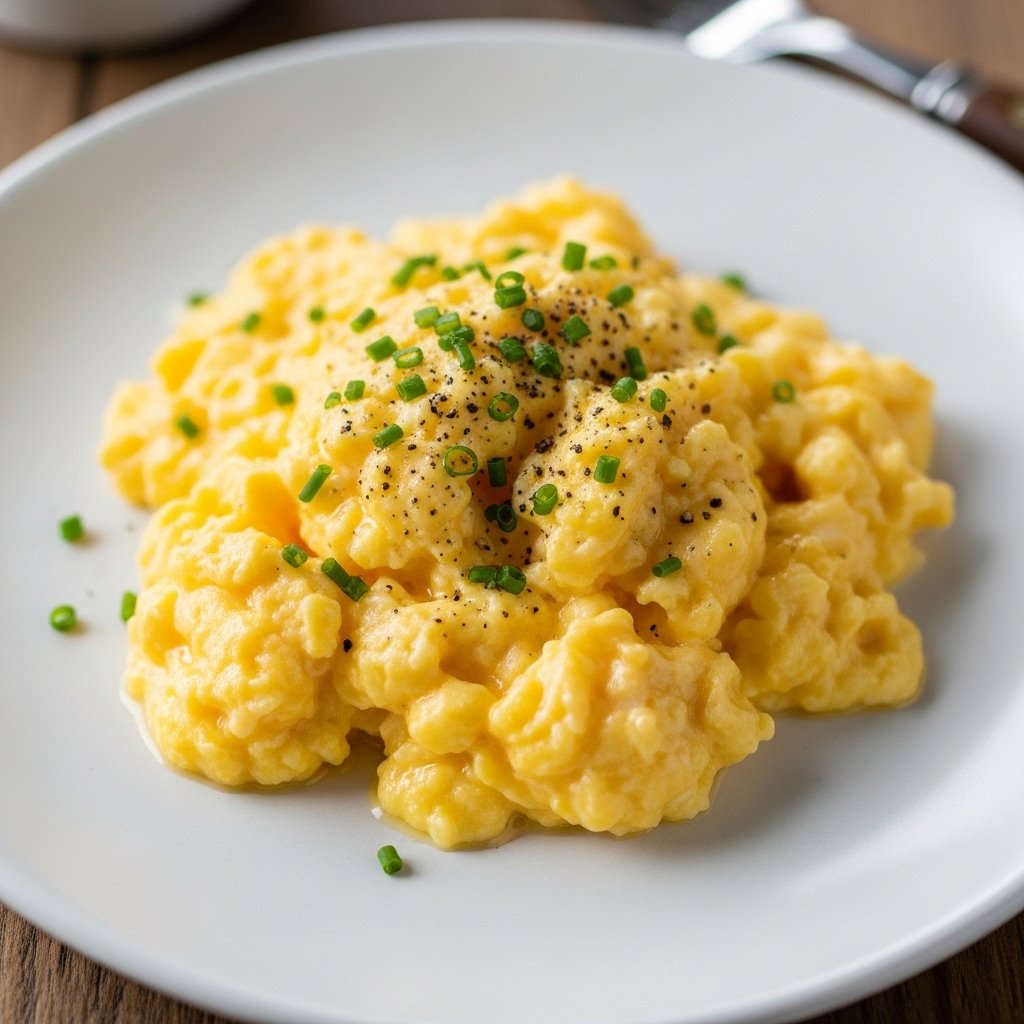
Microwave scrambled eggs are a fantastic option when you need a hot, protein-packed breakfast in minutes—no skillet, no stove, and barely any dishes to wash. Whether you’re in a dorm, at the office, traveling, or just short on time, this method lets you cook fluffy scrambled eggs in the microwave using a bowl, a fork, and a few basic ingredients.
Why Make Scrambled Eggs in the Microwave?
Making scrambled eggs in the microwave is:
- Fast: Typically done in 1–2 minutes of cook time.
- Convenient: Only one mug or bowl to wash, and no stovetop needed.
- Flexible in portions: Easy to cook a single serving or scale up slightly.
- Highly customizable: Add cheese, herbs, leftover veggies, or cooked meats.
It’s especially useful for students, busy professionals, or anyone with limited kitchen access.
Ingredients for Microwave Scrambled Eggs
For one serving:
- 2 large eggs
- 2 tablespoons milk or water (for fluffiness; milk = richer, water = lighter)
- Salt and pepper, to taste
- 1 teaspoon butter, margarine, or oil (for creaminess and flavor)
Optional add-ins:
- Shredded cheese (cheddar, mozzarella, feta, etc.)
- Fresh herbs (chives, parsley, dill, basil)
- Chopped vegetables (preferably pre-cooked or quick-cooking)
- Cooked bacon, ham, or sausage
- A spoonful of cream cheese, pesto, or salsa
Equipment You’ll Need
- Microwave-safe mug or bowl (ceramic or glass works best)
- Fork or small whisk
- Microwave (around 900–1200W is typical)
Choose a wide, shallow bowl if you can—this helps the eggs cook more evenly than a very tall mug.
Step-by-Step: How to Make Scrambled Eggs in the Microwave
1. Beat the Eggs
- Crack 2 large eggs into your microwave-safe mug or bowl.
- Add 2 tablespoons milk or water, a pinch of salt, and a little black pepper.
- Beat thoroughly with a fork or small whisk until the mixture is smooth and a uniform pale yellow.
Why this matters: Proper whisking breaks up the whites and incorporates a bit of air, leading to more even, fluffier eggs.
2. Add Fat and Optional Cheese
- Stir in 1 teaspoon butter, margarine, or oil.
- If you like, add a small amount of shredded cheese or a bit of cream cheese now so it melts well as the eggs cook.
Fat helps keep the eggs moist and adds flavor; cheese makes them richer and creamier.
3. First Microwave Burst (30 Seconds)
- Microwave the uncovered bowl on high power for about 30 seconds.
- Remove carefully (the bowl may be warm) and stir well, scraping the sides and bottom.
The eggs will still be mostly liquid but starting to set around the edges—stirring breaks up these early curds and keeps the texture even.
4. Second Burst (20–30 Seconds), Then Short Bursts
- Return the bowl to the microwave and cook for another 20–30 seconds.
- Stir again, breaking up any curds and mixing the still-liquid portion.
From here:
- Continue microwaving in 10–20 second increments, stirring after each burst, until the eggs are just set to your liking.
- Total cook time will usually be around 1–2 minutes depending on your microwave wattage and how soft or firm you like your eggs.
Key tip: Stop when the eggs look slightly underdone and glossy—they will finish cooking from residual heat.
5. Add Mix-Ins and Finish
- If you’re using delicate add-ins—like fresh herbs, pre-cooked veggies, or extra cheese—fold them in after the eggs are mostly set (during the last stir or right afterward).
- Let the eggs sit for 10–20 seconds to finish cooking and to allow flavors to meld.
Serve immediately on toast, in a wrap, or straight from the bowl.
Microwave Scrambled Eggs Timing Summary
| Step | Time | Action |
|---|---|---|
| First cook | ~30 seconds | Microwave, then whisk/stir thoroughly |
| Second cook | 20–30 seconds | Microwave, then stir again |
| Final stage | 10–20 sec bursts | Microwave, stirring after each burst until just set |
Remember: It’s better to undercook slightly and let carryover heat finish the job than to overshoot and end up with rubbery eggs.
Tips for the Best Microwave Scrambled Eggs
- Use short intervals: Limit each microwave burst to 30 seconds or less. Short intervals with stirring create small, creamy curds and prevent toughness.
- Whisk well at the start: A well-mixed egg mixture cooks more evenly and avoids rubbery, separated whites.
- Cover loosely for softer eggs: You can place a microwave-safe plate or paper towel loosely over the bowl to trap some steam (avoid sealing it tightly).
- Let them rest: Eggs continue to cook after you remove them from the microwave, so give them a brief rest before eating.
- Do not overcook: Fully dry, matte eggs tend to be rubbery—stop when they’re just set and still slightly shiny.
Customizing Microwave Scrambled Eggs
Microwave scrambled eggs are a blank canvas. Try these flavor ideas:
Cheese Options
- Cheddar or Monterey Jack for classic flavor
- Mozzarella for mild, stretchy cheese
- Feta or goat cheese for a tangy, creamy twist
- Soft cheeses (cream cheese, Boursin) swirled in at the end
Herbs and Veggies
- Fresh herbs: chives, parsley, dill, basil added at the end
- Veggies: pre-cooked mushrooms, peppers, onions, or spinach
- Quick-add: diced tomato or green onion right after cooking
Protein Add-Ins
- Diced ham or Canadian bacon
- Crumbled cooked bacon or sausage
- Flaked cooked salmon or smoked salmon (added at the end)
Extra Flavor Boosts
- A few drops of hot sauce or sriracha
- A spoonful of salsa or pico de gallo on top
- A swirl of pesto or sun-dried tomato spread
- A small dollop of sour cream or Greek yogurt after cooking
Nutrition and Dietary Adaptations
- Protein-rich: Two eggs provide roughly 12 grams of protein, helping you stay full longer.
- Low-carb: Great for low-carb and keto-style eating when served without bread or high-carb sides.
- Lactose-free possible:
- Eggs themselves do not contain lactose.
- Use water instead of milk, and skip cheese or use lactose-free dairy.
- Dairy-free: Use water or plant-based milk (like almond or oat milk) and a dairy-free spread or oil instead of butter.
Vegan Alternative
Vegans can use a similar microwave method with:
- Crumbled firm tofu (well-drained)
- A little oil, plant milk, turmeric (for color), salt, pepper, and nutritional yeast
- Microwave in short bursts, stirring frequently, just like eggs.
FAQs
Can you make scrambled eggs in the microwave without milk?
Yes, use water or skip it. Slightly less creamy but still fluffy.
How long do microwave scrambled eggs take?
1-2 minutes total. Depends on wattage and servings.
Are microwave scrambled eggs healthy?
Yes, high protein, low carb. Fresher than takeout.
Why did my microwave eggs explode?
Mug too full or no stirring. Use a wide mug, stir midway.
Can I add cheese to microwave scrambled eggs?
Absolutely. Stir in after the first cook for a gooey melt.