
Original Cabbage Soup Diet Recipe
Original Cabbage Soup Diet Recipe
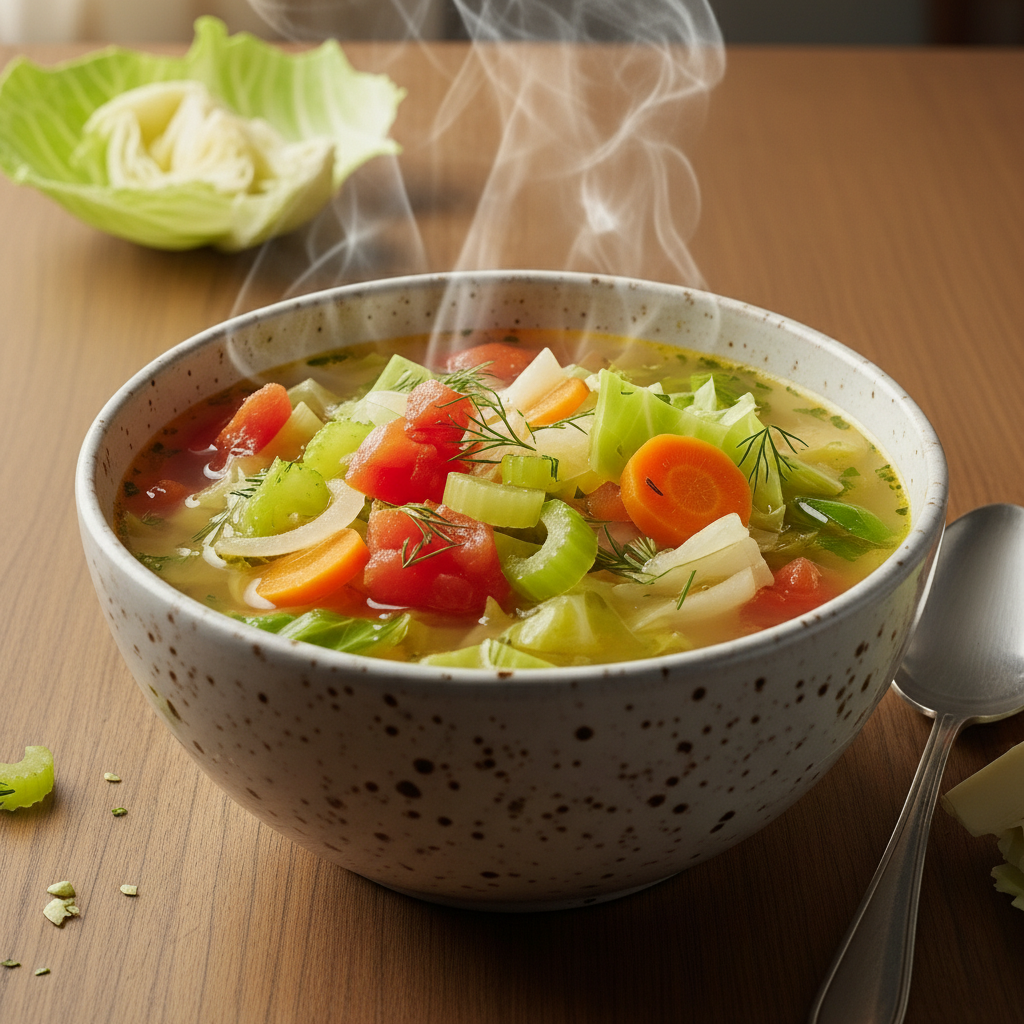
The cabbage soup diet is a short-term, very low-calorie eating plan that has been circulating since the 1980s. It promises rapid weight loss—often quoted as 5–10 pounds in a week—by centering your meals around an unlimited, low-calorie cabbage and vegetable soup plus a strict schedule of fruits, vegetables, and lean proteins.
This guide explains the original cabbage soup recipe, the full 7-day meal plan, what you may realistically expect, and important health considerations so you can make an informed decision rather than just following another “crash diet” trend.
What Is the Cabbage Soup Diet?
The cabbage soup diet is a 7-day, low-calorie, high-volume diet based on:
- Eating unlimited cabbage soup every day
- Adding specific foods (like fruits, vegetables, lean meats, and rice) according to a fixed daily schedule
- Avoiding processed foods, added fats, and alcohol for the full week
It is typically used as a short “reset” or “kick-start,” not as a long-term weight-loss strategy. Most of the weight lost is water and glycogen, not pure body fat, so results are usually temporary unless followed by a sustainable eating pattern.
Original Cabbage Soup Recipe
The cabbage soup itself is simple, vegetable-heavy, and very low in calories. It’s designed to be filling but not energy-dense, so you can eat large portions without consuming many calories.
Ingredients
- 1 head green cabbage, chopped
- 6 large green onions (or regular onions), sliced
- 2 cans diced tomatoes (or 4 fresh tomatoes, chopped)
- 2 bell peppers, chopped
- 1 bunch celery, sliced
- 14 oz beef or chicken broth (or use water for a vegetarian version)
- Salt, pepper, garlic powder, and optional low- or no-sodium bouillon, to taste
Optional vegetables for variety:
- Carrots
- Mushrooms
- Zucchini
Instructions
- Prep the vegetables:
Chop cabbage, onions, peppers, celery, and any optional vegetables into bite-sized pieces. - Combine in a pot:
Place all vegetables in a large soup pot. Pour in the broth (or water) until vegetables are just covered. - Bring to a boil:
Heat over medium-high until the mixture reaches a rolling boil. - Simmer until tender:
Reduce heat to low, cover, and simmer for about 30–45 minutes, or until all vegetables are soft. - Season to taste:
Add salt, pepper, garlic powder, herbs (such as parsley, basil, or oregano), and bouillon if using. Adjust until the soup tastes flavorful—not bland. - Store leftovers:
Cool and refrigerate in airtight containers for up to 1 week, or freeze portions for later use.
This soup can be eaten in unlimited quantities during the diet whenever you feel hungry.
Why People Use the Cabbage Soup Diet
The cabbage soup diet appeals to people who want:
- A fast drop on the scale before an event or vacation
- A psychological “reset” before starting a more sustainable plan
- A way to break through a perceived weight-loss plateau
However, it’s important to understand that:
- The diet is very low in calories.
- Most of the weight lost is from water and glycogen, not long-term fat loss.
- It is not balanced enough to follow for more than 7 days.
This plan should be seen, at best, as a short-term strategy, not a solution on its own.
7-Day Cabbage Soup Diet Meal Plan
The core rule:
- Eat as much cabbage soup as you like, every day.
- Then add the foods allowed on each specific day.
Day 1: Fruit Day
- Cabbage soup (unlimited)
- Any fruit except bananas (e.g., apples, oranges, berries, melons)
- No starchy fruits like bananas
Goal: Hydrating, low-calorie start heavy on water and fiber.
Day 2: Vegetable Day
- Cabbage soup (unlimited)
- Non-starchy vegetables only (steamed, roasted, or raw)
- Focus on leafy greens, broccoli, cauliflower, peppers, etc.
- Avoid corn, peas, and potatoes except where allowed
- At dinner: 1 baked potato with a small pat of butter is permitted
- No fruit
Goal: Increase fiber and micronutrients from vegetables while still keeping calories low.
Day 3: Fruits and Vegetables
- Cabbage soup (unlimited)
- Any fruits and non-starchy vegetables
- No baked potato today
- Avoid starchy veg like corn and peas
Goal: Combine the first two days; high in volume, low in calories.
Day 4: Bananas and Milk
- Cabbage soup (unlimited)
- Up to 8 bananas
- Skim milk (usually several glasses spread through the day)
Goal: Provide some potassium, carbs, and a bit of protein/calcium while still staying fairly low in calories.
Day 5: Protein and Tomatoes
- Cabbage soup (at least 1 serving; more if desired)
- Up to 20 oz (about 560 g) lean beef, skinless chicken, or fish
- 6 fresh tomatoes (or equivalent canned, no added sugar)
Drink extra water on this day to help flush out uric acid from increased protein intake.
Day 6: Protein and Vegetables
- Cabbage soup (unlimited)
- Unlimited lean beef, chicken, or fish
- Unlimited non-starchy vegetables (no baked potato)
Goal: Higher protein plus vegetables for satiety, still low in refined carbs.
Day 7: Rice, Vegetables, and Juice
- Cabbage soup (unlimited)
- Brown rice (in moderate portions)
- Vegetables (non-starchy; unlimited)
- Unsweetened fruit juice (limited amounts)
Goal: Reintroduce some whole grains and a bit more carbohydrate while still emphasizing vegetables.
General Daily Guidelines
- Eat cabbage soup whenever you’re hungry—there is no cap on soup servings.
- Drink plenty of water and unsweetened herbal tea.
- Avoid alcohol, sugary drinks, refined bread, fried foods, and sweets.
- Choose fresh or minimally processed fruits and vegetables when possible.
Nutritional Profile of the Cabbage Soup Diet
Cabbage soup itself:
- Roughly 50–75 calories per bowl, depending on exact ingredients
- Very low in fat and protein
- High in water and fiber
- Provides some vitamins and minerals (vitamin C, vitamin K, folate, etc.)
The overall 7-day plan:
- Very low in calories (often under 1,000–1,200 calories per day)
- Inconsistent protein intake (more on days 5–6, very little earlier)
- Low in healthy fats (like olive oil, nuts, seeds)
- Limited whole grains and long-term energy sources
Because of these limitations, it is not nutritionally complete and not appropriate for long-term use.
Potential Benefits of the Cabbage Soup Diet
- Rapid weight loss: Many people report losing 5–10 pounds (2.2–4.5 kg) in a week, mostly from water and glycogen.
- High vegetable intake: You will eat more vegetables than most typical diets, which can help with fiber and micronutrients.
- Simple rules: No calorie counting or complex tracking—just follow each day’s list.
- Short duration: Only 7 days, which can be psychologically easier than long, restrictive programs.
Drawbacks, Risks, and Who Should Avoid It
Despite its popularity, the cabbage soup diet has significant downsides:
- Not sustainable: The low-calorie nature and repetitive soup make it hard to maintain beyond 7 days.
- Nutrient gaps: It lacks adequate healthy fats, consistent protein, and a broad variety of whole foods.
- Fatigue and side effects: Some people experience tiredness, headaches, dizziness, or difficulty concentrating due to low energy intake.
- Digestive discomfort: High fiber and large volumes of cabbage may cause bloating, gas, and changes in bowel habits.
- Mostly temporary results: Much of the weight lost is water. Without transitioning to a healthier long-term pattern, weight often returns.
Not recommended without medical guidance for:
- People with diabetes, hypoglycemia, or blood sugar issues
- Those with heart conditions or on certain medications
- Individuals with a history of eating disorders
- Pregnant or breastfeeding individuals
Always consult a healthcare professional before starting any very low-calorie diet.
Tips for Doing the Cabbage Soup Diet More Safely
If you decide to try this plan despite its limitations:
- Make the soup flavorful:
Use herbs (parsley, basil, oregano, thyme), spices (paprika, black pepper, cumin), and garlic or onion for taste. A bland soup makes adherence harder. - Vary the vegetables:
Rotate optional veggies like carrots, mushrooms, zucchini, and greens to boost nutrients and reduce boredom. - Prep ahead:
Chop vegetables and cook large batches of soup in advance so you’re not tempted by convenience foods. - Stay hydrated:
Drink plenty of water and unsweetened herbal teas. Dehydration can intensify fatigue and headaches. - Listen to your body:
If you feel extremely weak, dizzy, or unwell, stop the diet and seek medical advice. - Transition off gradually:
After 7 days, ease back into a balanced diet (lean proteins, whole grains, healthy fats, vegetables, fruits) to avoid digestive upset and rapid rebound weight gain.
FAQs
How much weight can you lose on the Cabbage Soup Diet?
Typically 5-10 lbs in 7 days, mostly water and initial fat.
Is the Cabbage Soup Diet safe for everyone?
Safe in the short term for healthy adults; consult a doctor for conditions.
Can you eat the cabbage soup every day?
Yes, unlimited soup daily provides base calories and fiber.
What if I get hungry on the Cabbage Soup Diet?
Extra soup or allowed fruits/veggies can effectively curb hunger.
How often can you repeat the Cabbage Soup Diet?
Once monthly max; follow with balanced eating at all times.