
How to Roast Beets in the Oven
How to Roast Beets in the Oven
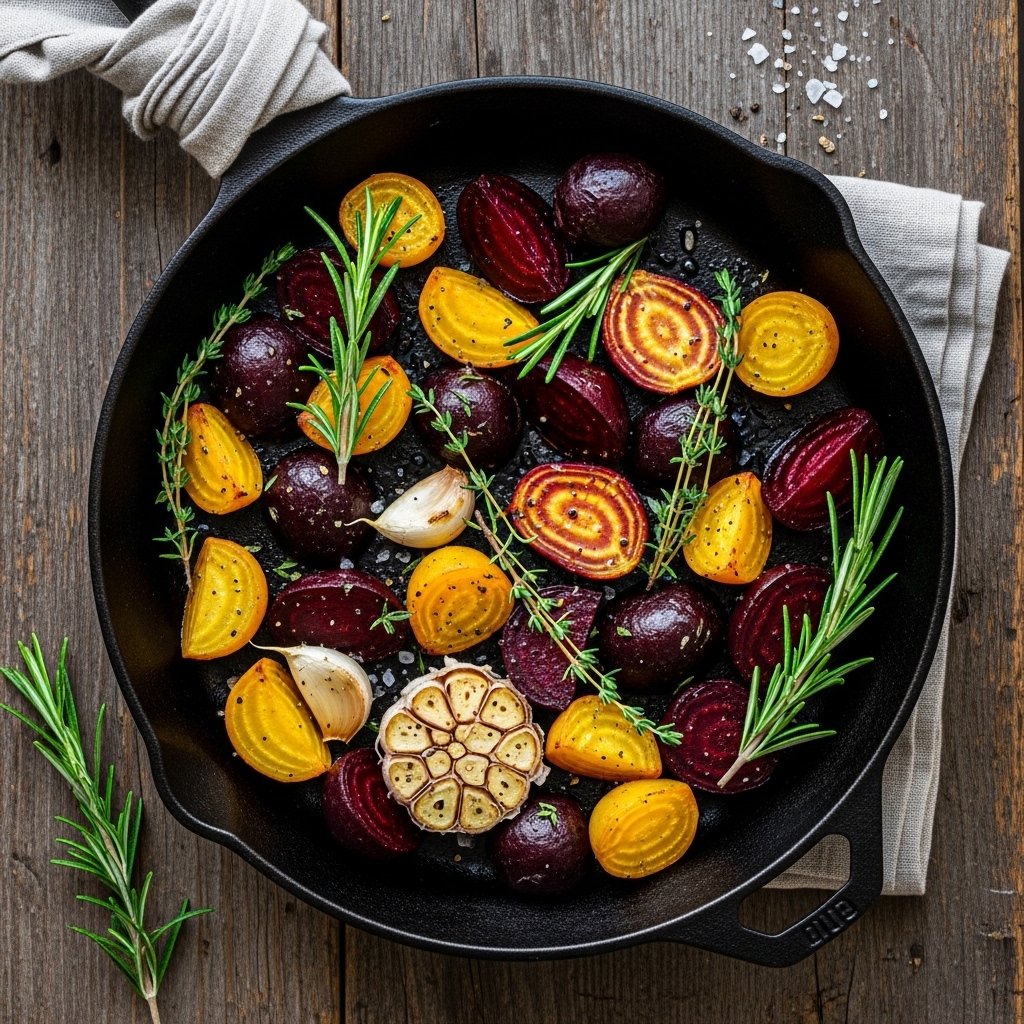
Roasting beets doesn’t have to mean stained hands, uneven cooking, or bland flavor. With a simple foil-packet method, you can bring out their natural sweetness and get tender, perfectly cooked beets with almost no mess—ideal for salads, sides, and healthy snacking.
What Are Roasted Beets?
Roasted beets are whole beets cooked in the oven until they’re soft all the way through and the skins slip off easily. This gentle dry heat concentrates their natural sugars, giving them a sweeter, deeper flavor than boiling or steaming. The result is tender, intensely colored beet flesh that works beautifully in salads, grain bowls, soups, or on its own as a side.
Why You’ll Love This Method
- Tender all the way through: No hard, woody centers—just soft, velvety beets.
- Minimal mess: The beets cook inside foil, so your pan (and hands) stay mostly stain-free.
- Big flavor, little effort: The foil locks in juices and aroma, enhancing sweetness and earthiness.
- Beginner-friendly: Very little active time and straightforward steps.
- Reliable results: The steam created inside the packet helps the beets cook evenly every time.
- Versatile base: Once roasted, you can season or dress them in countless ways.
Ingredients
For about 4 servings (roughly 1 pound roasted beets):
- 1.5 pounds fresh beets (medium, 2–3 inches across; red, golden, or mixed)
- 1 tablespoon olive oil (or avocado oil)
- ½ teaspoon kosher salt
- ¼ teaspoon black pepper
Optional flavor add-ins:
- 1 teaspoon fresh thyme leaves, or
- 2 garlic cloves, lightly smashed
Optional Substitutions
- Use coconut oil instead of olive oil if you prefer its flavor or need a specific fat.
- Try chioggia (candy-striped) or golden beets if you’d like a milder, less earthy taste.
- The recipe is naturally gluten-free and vegan; for extra tang after roasting, splash with a little balsamic vinegar.
Step-by-Step: How to Roast Beets in Foil
1. Preheat the Oven
- Preheat your oven to 400°F (200°C).
- Position a rack in the middle of the oven so the beets roast evenly without burning.
2. Prep the Beets
- Rinse the beets under cool running water.
- Scrub gently with a vegetable brush to remove any dirt.
- Trim stems to about 1 inch and cut off the thin root end.
- Pat the beets dry with a clean towel.
There’s no need to peel the beets now—the skins will come off easily after roasting and help protect the flesh as it cooks.
3. Season and Wrap in Foil
- Tear off a large sheet of heavy-duty aluminum foil, about 18 x 18 inches.
- Place the whole beets in the center of the foil.
- Drizzle with the olive (or avocado) oil, then sprinkle with salt, pepper, and any herbs or garlic you’re using.
- Toss gently with your hands or a spoon to coat.
- Fold the foil up over the beets to form a tight packet, pressing seams and edges together so steam won’t escape.
A well-sealed packet is key: the trapped steam softens the beets while the enclosed space concentrates their flavor.
4. Roast
- Place the foil packet directly on the middle oven rack, or set it on a rimmed baking sheet to catch any drips.
- Roast for 45–60 minutes, depending on beet size.
- Start checking at about 45 minutes:
- Carefully open the packet (watch for hot steam) and pierce a beet with a small knife or skewer.
- It should slide in with the same ease as a baked potato. If there’s resistance, reseal and continue roasting, checking every 10–15 minutes.
5. Steam and Cool
- When the beets are tender, remove the packet from the oven.
- Let the beets sit in the closed foil for 10–15 minutes.
- This brief rest lets them steam a little further, making the skins even easier to remove and the texture extra tender.
6. Peel and Cut
- Open the foil carefully; there will be a burst of fragrant, sweet steam.
- Once cool enough to handle (but still warm), use paper towels or gloved hands to rub the skins off—they should slip away easily.
- Trim off any remaining stem or root ends.
- Slice, cube, or wedge the beets, depending on how you plan to use them.
Serve warm, at room temperature, or chilled—roasted beets are delicious in all three forms.
Variations and Customizations
Dietary Tweaks
- Low-carb or keto: Pair roasted beets with higher-fat toppings like goat cheese, walnuts, and olive oil–based dressings, keeping portions modest due to their natural carbs.
- Vegan: The base recipe is already vegan; just finish with plant-based toppings like toasted seeds and vinaigrettes.
- Whole30 or paleo: Use compliant oils (like olive or avocado) and finish with herbs and citrus instead of sweet glazes.
Flavor Ideas
- Citrus & honey: Toss warm beet wedges with a little orange zest, a squeeze of orange juice, and a drizzle of honey or maple syrup.
- Spiced beets: After roasting and peeling, sprinkle with ground cumin and coriander, plus a pinch of chili flakes for an Indian-inspired touch.
- Balsamic-glazed: Drizzle roasted beets with a spoonful of balsamic vinegar or reduced balsamic glaze for a sweet-tangy finish.
Equipment Alternatives
- No foil: Place beets in a covered Dutch oven or oven-safe pot. Add a small splash of water, cover with a lid or parchment plus lid, and roast at the same temperature until tender.
- Air fryer: Wrap beets in foil or place in a small covered dish and cook at 380°F (193°C) for about 30–40 minutes, shaking or turning halfway through.
- Slow cooker: Place whole, trimmed beets in the slow cooker with a couple of tablespoons of water. Cook on High for 3–4 hours or Low for 6–8 hours, until tender.
Expert Tips for Consistent Results
- Choose similar sizes: Medium beets (2–3 inches) cook more evenly and predictably. If some are much larger, cut them in half so they match.
- Add a splash of water (optional): A tablespoon or two of water in the foil packet creates extra steam, which can help keep beets ultra-juicy.
- Store smart: Keep leftover roasted beets in an airtight container in the fridge for up to 5 days. Add them to salads, bowls, or snacks throughout the week.
- Roast golden beets separately: They can cook slightly faster and won’t get stained by red beets if cooked in their own packet.
- Use the greens: If your beets came with tops, don’t discard them. Sauté beet greens with olive oil, garlic, and a pinch of salt for a quick, nutritious side.
Common Mistakes to Avoid
Ignoring size differences: Big beets take longer; if you don’t adjust, you’ll end up with undercooked centers or overcooked smaller ones.
Skipping the foil (or cover): Exposed beets can dry out and turn leathery. The foil packet is what keeps them moist and tender.
Overcrowding the packet: If you pack in too many beets, they may steam unevenly. Use two packets if needed.
Peeling before roasting: The skins protect the flesh and make cleanup easier. Peel after roasting instead.
Using very high heat: Temperatures above about 425°F risk charring the outside before the centers are tender. Stick to 400°F for reliable results.
FAQs
How long to roast beets at 400°F?
Medium beets take 45-60 minutes. Pierce with a knife to check tenderness.
Do you peel beets before roasting?
No, roast whole with skins on. They slip off easily after cooking.
Can I roast beets without foil?
Yes, but they dry out. Foil locks in steam for better results.
Are roasted beets healthy?
Yes, packed with fiber, folate, and antioxidants. Low-calorie superfood.
How to store roasted beets?
Fridge in an airtight container up to 5 days. Freeze diced up to 3 months.