
Can You Peel Potatoes Ahead of Time?
Can You Peel Potatoes Ahead of Time?
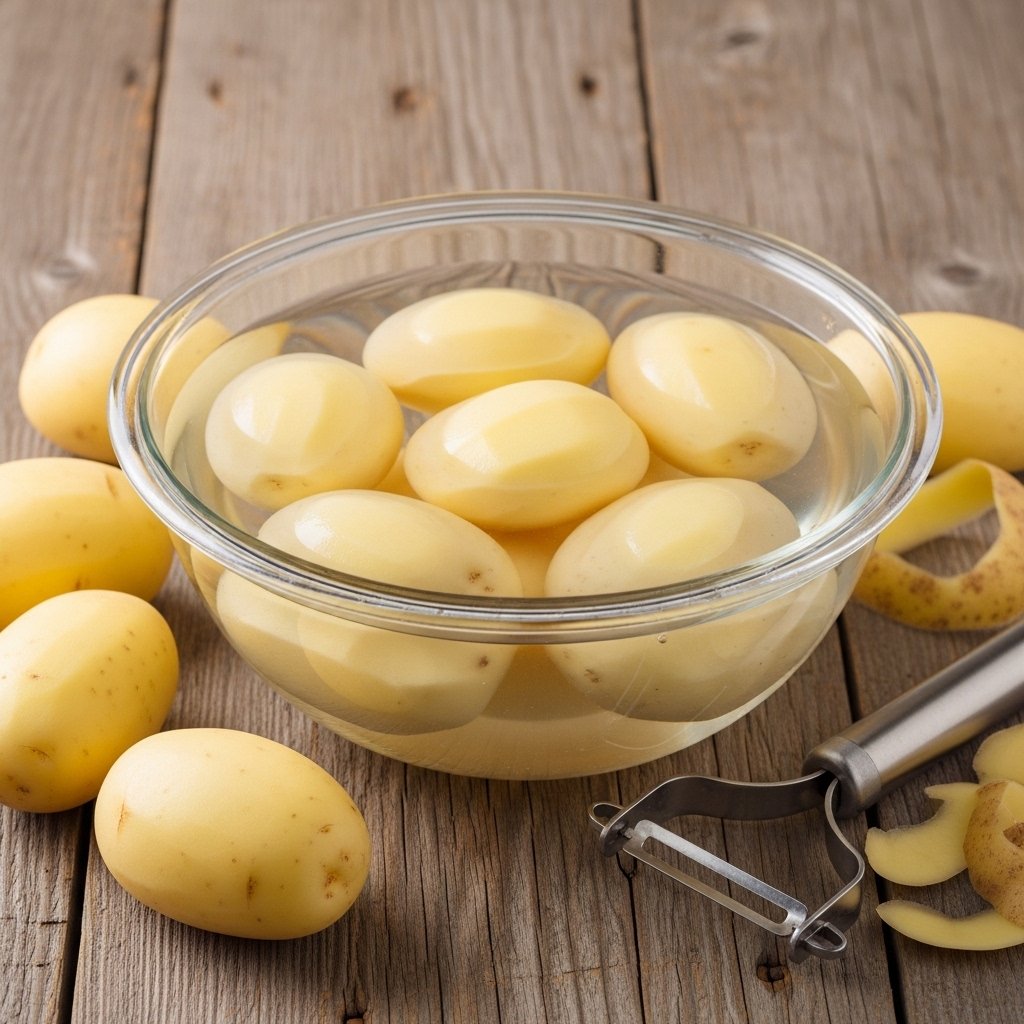
Peeled potatoes are incredibly handy when you’re cooking for a crowd or planning ahead—but only if you store them properly. With the right method, you can safely peel potatoes in advance without ending up with gray, soggy, or off-tasting results.
Here’s a fully rewritten, clearly structured version of your guide with smoother flow and clean grammar.
Why Peel Potatoes Ahead of Time?
Peeling potatoes in advance can make cooking days much easier:
- Saves time: Big holiday meals and batch cooking are smoother when peeling is done early.
- Reduces stress: Breaking prep into stages means less last-minute chaos.
- Improves workflow: You can multitask and focus on cooking instead of peeling under pressure.
- Helps with even cooking: Prepped, evenly peeled potatoes are ready to cut into uniform pieces when you need them.
The main challenge is that once potatoes are peeled, they’re vulnerable to discoloration, texture changes, and nutrient loss—unless you store them correctly.
What Happens to Potatoes After You Peel Them?
Once you peel a potato, the starchy interior is exposed to air. This sets off a few changes:
- Oxidation:
The exposed surface reacts with oxygen, causing the potato to turn pink, gray, or brown over time. - Texture changes:
If peeled potatoes dry out, they can become mealy or tough after cooking. If they soak too long in water, they may turn waterlogged and lose flavor. - Possible nutrient loss:
Some vitamins and minerals can leach into the soaking water or break down with prolonged air exposure.
The good news is that with proper storage—cold water and refrigeration—you can dramatically slow these effects.
How to Peel Potatoes Ahead: Step-by-Step
If you want your potatoes peeled and ready a day before cooking, use this simple method.
1. Peel Thoroughly
- Remove all skin, eyes, and blemishes.
- Aim for even peeling and trimming so the pieces cook uniformly later, especially for dishes like mashed potatoes or gratins.
2. Submerge in Cold Water Immediately
- As you peel each potato, drop it into a large bowl of cold water.
- Make sure the potatoes are fully submerged; this keeps air off the surface and slows oxidation.
Cold water is crucial—it helps keep the texture firm and prevents the cut surfaces from drying out.
3. Cover and Refrigerate
- Loosely cover the bowl with plastic wrap, a lid set slightly ajar, or a clean kitchen towel.
- Place the bowl in the refrigerator, not on the counter.
Chilling slows bacterial growth and helps maintain freshness. Avoid sealing the bowl completely airtight; a little airflow is better than a fully trapped, humid environment.
4. Use Within 24 Hours
- For best quality, drain, rinse, and cook the potatoes within 24 hours.
- If you need to hold them longer than a day, change the water once or twice to keep them fresh and clear.
Are Peeled Potatoes Safe After a Day?
Yes—peeled potatoes kept fully submerged in cold water in the refrigerator are generally safe to use for up to 24 hours.
For best practice:
- Always store in cold water, not exposed to air.
- Check for any unusual smell, sliminess, or extreme discoloration before cooking.
- If anything looks or smells off, discard the potatoes.
Quality can start to decline after a day as they absorb more water and lose flavor, so the sooner you cook them, the better.
Expert Tips to Keep Potatoes Fresh and Bright
- Use acidulated water:
Add a small splash of white vinegar or lemon juice to the soaking water. The slight acidity helps prevent browning even more effectively. - Don’t pack them too tightly:
The potatoes should be fully covered by water, but not wedged together so tightly that water can’t circulate around them. - Dry well before cooking:
When you’re ready to cook, drain and pat the potatoes dry. Excess water can lead to splattering in hot oil or dilute flavors in roasted dishes and mash. - Cook soon after draining:
Once removed from water, try to cook them promptly to preserve the best texture and taste.
Common Mistakes (and How to Avoid Them)
- Leaving peeled potatoes uncovered:
Exposed potatoes discolor quickly and can develop off flavors. Always submerge them in water. - Using warm or hot water:
Warm water speeds starch breakdown and can lead to a gummy or mushy texture after cooking. Stick with cold water. - Soaking too long:
Extended soaking (beyond about 24–48 hours) can make potatoes waterlogged and bland, and increases the risk of spoilage. - Sealing the container airtight:
Completely sealing in moisture can encourage bacterial growth. Loosely covered is safer than tightly sealed for soaking potatoes.
How Far in Advance Can You Peel Potatoes?
For most home cooking situations:
- Best window: Peel up to 24 hours in advance, stored submerged in cold water in the fridge.
- Extended window (with acid): With acidulated water and proper refrigeration, you may stretch this to about 48 hours, but texture and flavor are most reliable within the first day.
Quick Storage Guide
| Storage Method | Max Time | Best Use Cases |
|---|---|---|
| In cold water, refrigerated | ~24 hours | Mashing, roasting, boiling, potato salads |
| In acidulated cold water, refrigerated | Up to ~48 hrs | Extra insurance against browning |
| Dry, peeled at room temperature | 1–2 hours | Immediate cooking only |
Can You Freeze Peeled Potatoes?
Freezing raw, peeled potatoes is not recommended. They tend to:
- Turn gray or brown
- Develop a grainy, watery, or mushy texture when thawed
If you need longer storage:
- Cook first: Boil, roast, or mash the potatoes, then cool completely.
- Store in airtight containers or freezer bags and freeze for several months.
- Thaw in the fridge and reheat gently when needed.
Cooked potatoes—especially mashed or in baked dishes like gratins—freeze far better than raw peeled ones.
Does This Work for All Potato Types?
Yes, the water-soak method works across common varieties:
- Russet potatoes:
Ideal for mashing and baking; they brown quickly when exposed, so submersion is important. - Yukon Gold:
Slightly less prone to browning, but still benefit from water immersion for advance peeling. - Red potatoes:
Great for salads and roasting. Peel and store in cold water up to a day ahead. - Fingerlings or baby potatoes:
Often cooked with skins on. If you do peel or trim them, treat them the same way—submerge in cold water and refrigerate.
Handy Kitchen Hacks for Potato Prep
- Batch peeling:
Use a large bowl or pot for soaking and peel several potatoes at once to streamline prep for big meals. - Bag method:
For fridge space efficiency, store peeled potatoes in a large resealable bag filled with water, then place the bag in a bowl to catch any leaks. - Subtle flavor infusion:
Add a few garlic cloves or herb sprigs (like rosemary) to the soaking water for a faint hint of flavor that complements roasting or mashing. - Fast drying:
Spin drained potato pieces briefly in a salad spinner, then finish drying with a towel—great for extra-crisp roasted potatoes.
Why Chefs Prep Potatoes Ahead
Professional kitchens commonly peel potatoes in advance because:
- Consistency:
Prepped potatoes ensure dishes come out the same every time during service. - Efficiency:
Separating peeling from cooking keeps the line moving smoothly, especially during holidays or large events. - Less last-minute stress:
With the peeling out of the way, cooks can focus on seasoning, timing, and plating.
Recipe Ideas for Prepped Potatoes
Once you’ve mastered advance prep, you can turn those ready-to-cook potatoes into:
- Creamy mashed potatoes:
Boil, mash, and mix with butter, cream, or broth for an easy side. - Crispy roasted potatoes:
Dry well, toss with oil and seasonings, and roast until golden and crunchy. - Potato salad:
Boil peeled potatoes, cool, and toss with a tangy dressing and add-ins. - Gratin or casseroles:
Layer uniformly sliced potatoes with cream, cheese, or stock for even cooking and a beautiful bake.
Prepping ahead lets you focus on flavors and finishing touches instead of scrambling to peel at the last minute.
FAQs
Can you peel potatoes in advance for mashed potatoes?
Yes, up to 24 hours. Store in the fridge in cold salted water for creamy results without browning.
How long can peeled potatoes sit in water?
Safely, 24 hours in the fridge. Change water after 12 hours for best freshness.
Do peeled potatoes need to be refrigerated?
Absolutely—room temperature speeds spoilage. The fridge keeps them firm and safe.
Why do peeled potatoes turn brown?
Air exposure causes oxidation. Submerge it in water right away to prevent it.
Can I peel potatoes 2 days ahead?
Not recommended—texture softens. Stick to 24 hours max for quality.