
Dog Intestinal Blockage: Signs and What to Do
Dog Intestinal Blockage: Signs and What to Do
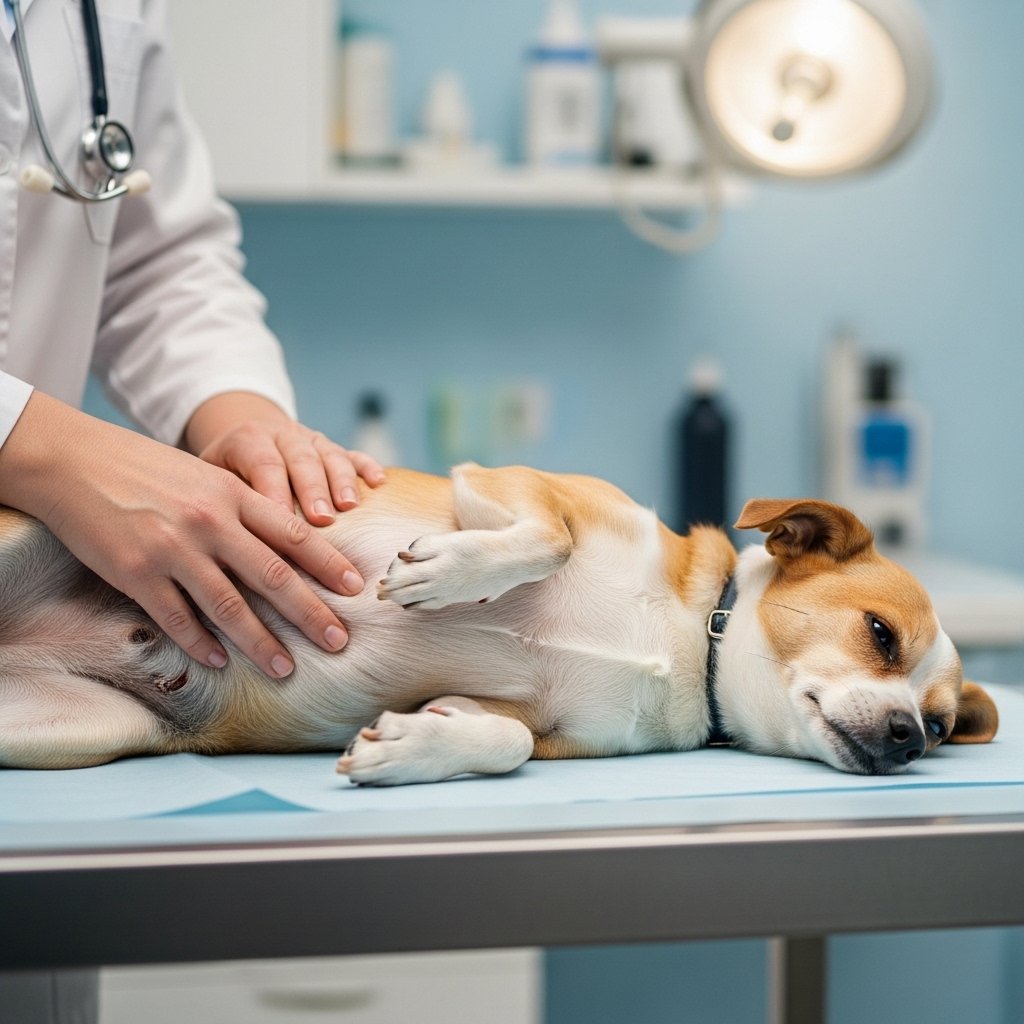
A bowel obstruction (intestinal blockage) occurs when something completely or partially blocks the passage of food, liquid, and gas through a dog’s stomach or intestines. This blockage prevents normal digestion and can quickly become dangerous.
Beyond stopping food movement, an obstruction can:
- Cut off blood supply to parts of the intestine
- Cause sections of the bowel to deteriorate or die
- Allow toxins and bacteria to leak into the bloodstream
- Lead to shock, severe infection, or death if untreated
Because dogs explore with their mouths and often chew or swallow inappropriate items, they are especially at risk of intestinal blockages.
Common Causes of Bowel Obstructions
Most obstructions fall into two categories: mechanical (a physical blockage) and functional (the gut stops moving properly).
Mechanical Obstructions
These involve a physical object or structural problem blocking the gut.
- Foreign Objects
Dogs may swallow many non‑food items, such as:- Toys or toy pieces
- Socks, underwear, towels, or fabric
- Bones or bone fragments
- Rocks, sticks, corn cobs
- Children’s toys or household items
- Linear Foreign Bodies
Items like string, yarn, ribbon, tinsel, or fishing line are especially dangerous. One end can get caught (often under the tongue or in the stomach) while the rest moves down the intestines, causing them to bunch up or “accordion.” This can:- Saw through the intestinal wall
- Cause severe damage and perforation
- Masses or Tumors
In older dogs, benign or cancerous growths can narrow or completely block the intestinal lumen. - Intussusception
This occurs when one segment of intestine telescopes into another. It narrows the passage and can cut off blood supply. It’s more common in younger dogs and can be associated with parasites or severe intestinal inflammation.
Functional Obstructions (Ileus)
In functional blockages, the intestines are not physically blocked, but they stop moving properly.
Common triggers include:
- Paralytic ileus: Loss of normal intestinal contractions, often after surgery, severe illness, or certain medications.
- Electrolyte imbalances: Abnormal potassium, calcium, or other electrolytes can impair muscle contractions in the gut.
- Inflammatory diseases: Chronic intestinal inflammation (such as inflammatory bowel disease) can disrupt normal motility.
While the cause differs, the result—food and fluid not moving forward—can mimic a mechanical obstruction and still be an emergency.
Symptoms of Bowel Obstruction in Dogs
Signs can vary depending on:
- Location of the blockage (stomach, small intestine, large intestine)
- Whether it’s partial or complete
- How long it has been present
Key signs to watch for include:
- Vomiting – often repeated; may occur soon after eating or drinking
- Lethargy and weakness – your dog seems unusually tired or listless
- Loss of appetite – refusing food or only nibbling
- Diarrhea or lack of stool – diarrhea may occur early; with complete blockages, stool output often stops
- Straining to defecate – repeated attempts with little or no stool
- Abdominal pain – whining, tense belly, hunched posture, reluctance to lie down
- Bloated or distended abdomen – belly appears swollen or feels firm
- Drooling or excessive salivation – often linked to nausea
- Restlessness or inability to get comfortable
Not every dog will show all of these signs, and symptoms may come and go with partial blockages. However, persistent vomiting, abdominal pain, or a bloated belly should always be treated as urgent.
How Vets Diagnose Bowel Obstruction
If you suspect your dog has swallowed something or is showing signs of a blockage, seek veterinary care immediately. Diagnosis usually involves several steps.
1. Physical Examination
The veterinarian will:
- Palpate (feel) the abdomen for pain, distension, masses, or unusual firmness
- Check gums, heart rate, breathing, temperature, and hydration status
- Assess your dog’s overall comfort and alertness
2. Medical History
You will be asked about:
- Any witnessed ingestion of objects or access to trash, toys, or foreign materials
- Onset and progression of vomiting, appetite changes, stool changes, and behavior
- Previous digestive issues, surgeries, or chronic diseases
This information helps target which tests are needed.
3. Imaging Studies
To visualize the intestines and look for blockages, vets may use:
- X‑rays (radiographs): May show foreign objects, gas patterns, or abnormal intestinal shapes. Some objects (metal, bone) are more visible than others (fabric, plastic).
- Contrast studies: A special dye or contrast material is given orally or rectally and then X‑rayed to see if or where flow stops.
- Ultrasound: Helpful for detecting soft-tissue foreign bodies, intussusception, masses, and fluid, and for assessing intestinal motion.
- CT scan: In complex or unclear cases, advanced imaging can help pinpoint the exact location and cause.
4. Laboratory Tests
Blood and urine tests help evaluate:
- Dehydration and electrolyte status
- Evidence of infection or inflammation
- Organ function (liver, kidneys)
- Possible systemic effects from toxins or prolonged obstruction
These results guide treatment planning and anesthesia safety if surgery is needed.
Treatment Options for Bowel Obstruction
Bowel obstruction is almost always a medical emergency. Treatment depends on:
- The nature and location of the blockage
- Whether the obstruction is partial or complete
- How long it has been present
- Your dog’s overall condition
Broadly, treatment falls into non‑surgical and surgical categories.
Non‑Surgical Management
Non‑surgical options may be appropriate for some partial or early obstructions:
- IV fluid therapy: Corrects dehydration and stabilizes blood pressure and electrolytes.
- Medications: Anti‑nausea drugs, pain relief, and sometimes antibiotics.
- Endoscopic removal: If the object is in the stomach or upper small intestine, a vet may use an endoscope (a flexible camera with tools) under anesthesia to grasp and remove the object without open surgery.
- Monitoring: In cases where a small, smooth object appears likely to pass and the dog is stable, hospitalization with close monitoring may be chosen.
Non‑surgical management is only used when it’s truly safe; delaying surgery in a dangerous obstruction can be fatal.
Surgical Treatment
Many bowel obstructions require surgery, especially when:
- The foreign object is large or lodged firmly
- The obstruction is complete
- There are signs of intestinal damage, perforation, or peritonitis
- The cause is a tumor, intussusception, or a linear foreign body
- Non‑surgical attempts fail or are not possible
The surgery (exploratory laparotomy) typically involves:
- Opening the abdomen to access the digestive tract.
- Locating the obstruction.
- Removing the foreign object or tumor from the stomach or intestines.
- Assessing the bowel for viability (healthy vs. dead tissue).
- Removing any severely damaged sections (intestinal resection and anastomosis) if necessary.
- Flushing the abdomen as needed and closing the incision.
After surgery, most dogs require hospitalization for continued IV fluids, pain control, and monitoring.
Recovery and Home Care After a Bowel Obstruction
Recovery depends on the severity of the obstruction, whether surgery was needed, and whether any complications occurred.
Immediately After Treatment
Dogs that undergo surgery typically stay in the hospital for 1–3 days for:
- IV fluids and medications
- Pain management
- Antibiotics if indicated
- Careful monitoring of heart rate, breathing, temperature, and abdominal comfort
- Gradual reintroduction of water, then small meals of easily digestible food
At Home
When your dog comes home, you’ll need to:
- Restrict activity: Limit running, jumping, and rough play for 7–14 days (or as advised) to allow the incision and internal tissues to heal.
- Monitor the incision: Check daily for redness, swelling, discharge, or gaping. Prevent licking or chewing with a cone or recovery suit.
- Give medications: Administer pain relievers and any prescribed drugs exactly as directed.
- Follow the diet plan: Feed only what your vet recommends—usually small, frequent meals of a bland or easily digestible diet at first.
- Attend follow‑up visits: These allow your vet to remove sutures if needed and confirm healing.
Watch for Warning Signs
Contact your vet immediately if you notice:
- New or recurring vomiting
- Ongoing lack of appetite
- Marked lethargy or depression
- Signs of abdominal pain (crying, hunched posture, tense belly)
- Fever or shaking
- No bowel movements or abnormal stool
These can indicate complications such as infection, leakage from the intestines, or another obstruction.
How to Prevent Bowel Obstructions in Dogs
Prevention is far easier and safer than treating a blockage. Practical steps include:
Environmental Safety
- Dog‑proof your home: Keep socks, underwear, baby items, hair ties, string, and small toys out of reach.
- Choose safe toys: Use sturdy, size‑appropriate toys without small detachable parts. Avoid toys that can be easily shredded and swallowed.
- Secure trash: Use dog‑proof bins or keep trash behind closed doors so your dog cannot access bones, corn cobs, skewers, or other risky items.
Training and Behavior
- Teach “leave it” and “drop it”: Reliable obedience can prevent your dog from swallowing dangerous objects on walks or at home.
- Address pica: If your dog habitually eats non‑food items, consult your vet and possibly a behaviorist; medical and behavioral factors may both be involved.
- Provide enrichment: Bored dogs are more likely to chew and swallow inappropriate items. Offer exercise, puzzle toys, and regular playtime.
Diet and Chews
- Avoid cooked bones and corn cobs: These are classic obstruction culprits and should never be given.
- Select safe chews: Only use chews designed for dogs, sized appropriately, and always supervise chewing. Remove chews when they become small enough to swallow.
- Feed regular, balanced meals: A dog that is well‑fed on schedule may be less inclined to scavenge.
Key Takeaways
- Bowel obstruction in dogs is a true emergency that can rapidly become life‑threatening.
- Common causes include swallowed foreign objects, tumors, and functional motility disorders.
- Persistent vomiting, abdominal pain, bloating, and appetite loss are major red flags.
- Prompt veterinary diagnosis and treatment—often surgery—are critical for a good outcome.
- Prevention focuses on dog‑proofing, safe toys and chews, training, and supervision.
FAQs
How do I know if my dog has an intestinal blockage?
Repeated vomiting, belly pain, no bowel movements, and tiredness can mean a blockage. Take your dog to the veterinarian immediately.
Can a dog’s intestinal blockage clear on its own?
Some partial blockages may resolve with fluid management and monitoring, but you should never assume this. Always have your dog checked by a vet first.
What should I do if my dog ate something dangerous?
Go to the ER quickly and note what your dog ate and when for the vet. Do not try to make your dog vomit at home.
How much does dog intestinal blockage surgery cost?
Typically $2,000-$8,000, covering imaging, surgery, and hospitalization.
How long does recovery take after a dog blockage surgery?
Full recovery usually takes 2 to 4 weeks, with a bland diet and careful rest.