
Homemade Diets for Dogs with Pancreatitis
Homemade Diets for Dogs with Pancreatitis
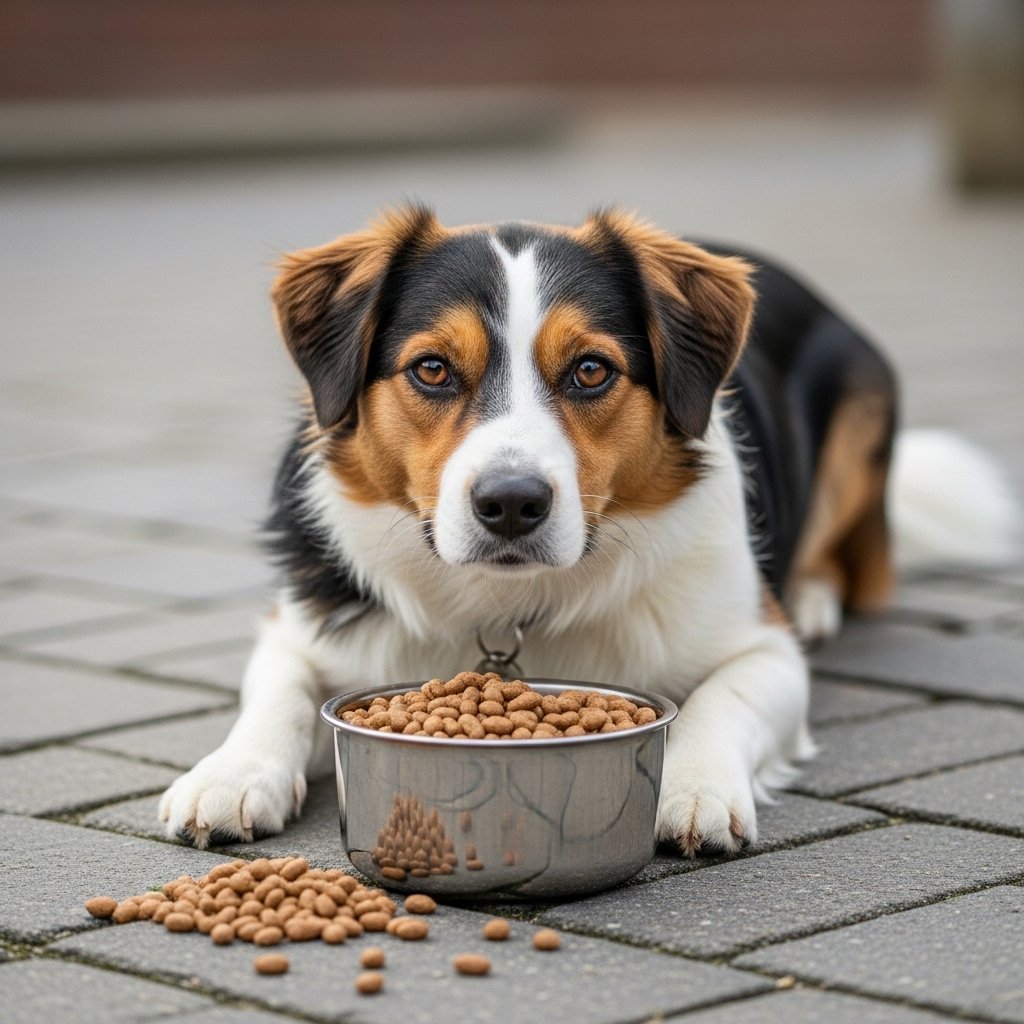
Pancreatitis is inflammation of the pancreas, usually triggered or worsened by fatty foods. The pancreas produces digestive enzymes; when inflamed, these enzymes can start damaging the organ itself, leading to pain, vomiting, and serious illness. Around two‑thirds of canine pancreatitis cases become chronic, meaning long‑term dietary control is essential.
Dogs with chronic pancreatitis are highly prone to flare‑ups if they eat too much fat—even a single high‑fat treat or table scrap can trigger vomiting, lethargy, fever, or diarrhea. Because each episode can cause more pancreatic damage and may require hospitalization, lifelong vigilance about food and treats is one of the most important parts of managing this disease.
Core Principles of a Pancreatitis Diet
For most dogs with pancreatitis, vets recommend diets that are:
- Low in fat: Typically under about 10% fat on a dry‑matter basis for chronic cases.
- Moderate in protein: Enough to maintain muscle without overloading digestion.
- Highly digestible: Gentle on the stomach and intestines to reduce irritation and enzyme stimulation.
- Balanced and complete: Provides all vitamins, minerals, and essential fatty acids despite reduced fat content.
Prescription veterinary diets are usually preferred because they’re specifically formulated to meet these criteria and tested in dogs with digestive disease.
Best Commercial Foods for Dogs With Pancreatitis
Veterinarians commonly recommend low‑fat prescription diets formulated for gastrointestinal issues and chronic pancreatitis.
Leading Low‑Fat Prescription Diets
These are widely used for dogs recovering from or living with pancreatitis:
- Hill’s Prescription Diet i/d Low Fat Digestive Care – dry and canned
- Royal Canin Gastrointestinal Low Fat – dry and canned
- Purina Pro Plan Veterinary Diets EN Gastroenteric Low Fat – dry and canned
These diets typically contain:
- Fat levels around 7–9% on a dry‑matter basis (well within the “low‑fat” range for pancreatitis).
- Moderate, highly digestible protein to support recovery.
- Added omega‑3 fatty acids and antioxidants for gut and overall health.
- Prebiotic fibers or specialized blends (such as Hill’s ActivBiome+) to support a healthy microbiome.
Comparison of Common Prescription Diets
Your vet will help choose which formula fits best, based on your dog’s pancreatitis severity and any other conditions such as food allergies, kidney disease, or diabetes.
Feeding Practices for Dogs With Pancreatitis
What you feed matters—but how you feed is just as important.
Meal Size and Frequency
- Offer small, frequent meals (3–4 per day) rather than one or two large meals to lessen pancreatic stimulation and reduce digestive stress.
- After an acute episode, reintroduce food slowly: begin with about ¼ of the usual portion, then gradually increase over a few days if no vomiting or diarrhea occurs.
Avoiding High‑Fat Extras
- Completely avoid table scraps, fatty leftovers, and rich treats (cheese, fatty meats, skin, gravy).
- Make sure all family members and guests understand that “just a little bit” of fatty food can cause a serious flare‑up.
Hydration
- Keep fresh water available at all times, as pancreatitis and GI upset can increase the risk of dehydration.
If your dog shows poor appetite during recovery, speak to your vet—appetite stimulants or temporary supportive feeding may be needed.
Bland Homemade Diets: Short‑Term Use Only
During early recovery from an acute attack, your vet may recommend a short‑term bland, low‑fat home‑cooked diet, such as:
- Boiled, skinless, boneless white chicken breast
- Plain cooked white rice
This combination is:
- Low in fat
- Easy to digest
- Provides simple protein and carbohydrate for energy
However:
- It is not complete and balanced for long‑term feeding.
- Long‑term or chronic management should rely on a nutritionally balanced prescription or vet‑approved commercial diet.
Always work with your veterinarian or a board‑certified veterinary nutritionist before using homemade diets, especially if your dog has other conditions (like diabetes or kidney disease).
Foods and Ingredients to Avoid
For dogs with pancreatitis, certain foods can dramatically increase the risk of a flare‑up and should be strictly avoided:
- Fatty meats (bacon, sausage, fatty beef, pork trimmings)
- Poultry skin and dark meat chicken/turkey
- Full‑fat dairy (cheese, cream, butter, ice cream)
- Gravy, cooking oils, and leftover grease
- High‑fat commercial treats or biscuits
- Oily fish or fish skin, unless your vet specifically approves them
Even a single high‑fat meal can precipitate an episode in a susceptible dog.
Safe Treats for Dogs With Pancreatitis
Treats are still possible—as long as they are carefully controlled and low fat.
Good Options
- Prescription low‑fat treats designed to match pancreatitis diets (ask your vet).
- Commercial treats specifically labeled as low fat or under 10% fat, ideally fewer.
- Vet‑approved “human food” treats in tiny amounts:
- Cooked, skinless white chicken breast (no oil or seasoning)
- Plain cooked green beans
- Baby carrots
- Small slices of apple without seeds or core
All treats should be:
- Counted as part of the daily calorie and fat allowance
- Used sparingly, mainly for training or special rewards
Avoid treats containing added oils, meat by‑product fats, peanut butter, cheese, or sugary coatings.
Role of Fiber, Protein, and Hypoallergenic Diets
While low fat is the priority, your vet may adjust other nutrients based on your dog’s individual needs.
- Fiber: Some dogs benefit from slightly higher fiber to support gut health and help regulate stool; others with poor appetite may need moderate fiber to avoid reducing food intake.
- Protein: Most pancreatitis diets use moderate levels of high‑quality protein to maintain lean muscle without overloading digestion.
- Hypoallergenic or novel protein diets: If food allergies or IBD are also present, your vet may choose a low‑fat hydrolyzed or novel‑protein formula (like some Purina HA or Royal Canin Selected Protein variants) that still meets low‑fat criteria.
For underweight or recovering dogs, your vet might use a calorie‑dense but still relatively low‑fat diet, so your dog can get enough calories in smaller meals.
Enzyme Supplements and EPI
Repeated or severe pancreatitis can damage the pancreas enough to cause Exocrine Pancreatic Insufficiency (EPI), where the pancreas no longer produces enough digestive enzymes.
In these cases, dogs may need:
- Pancreatic enzyme supplements (usually powders) sprinkled on food to replace the missing enzymes and help digest nutrients.
- Continued low‑fat, highly digestible diets tailored to their condition.
- Close veterinary monitoring for weight, stool quality, and vitamin levels.
Powdered enzyme products are often preferred because they mix uniformly with food and are generally more effective than tablets.
Recovery, Long‑Term Prognosis, and Prevention
Recovery
- Mild cases often improve within 1–2 weeks with appropriate diet, fluids, and rest.
- Severe cases may need hospitalization, IV fluids, pain relief, and intensive care, and can have a longer recovery.
Repeated mild episodes or one severe episode can lead to scarring and permanent damage, increasing the risk of diabetes mellitus or EPI later on.
Long‑Term Management
To reduce recurrences:
- Keep your dog on a consistent low‑fat diet for life, unless your vet advises otherwise.
- Maintain a healthy body weight; obesity is a known risk factor.
- Avoid all high‑fat foods and unsupervised access to garbage or leftovers.
- Monitor closely for early signs like decreased appetite, vomiting, or lethargy and contact your vet promptly.
While pancreatitis can’t always be prevented, careful diet management and regular veterinary care significantly reduce the risk and help your dog live a more comfortable, stable life.try new proteins like kangaroo. Combine a good diet with gentle walks to support overall health.
FAQs
Can dogs with pancreatitis eat chicken?
Yes, boiled skinless chicken breast provides a safe source of lean protein.
What fat percentage is safe for pancreatitis diets?
Aim for under 10% on a dry-matter basis, ideally 7% or less.
Is white rice good for dogs with pancreatitis?
Yes, it’s highly digestible and provides gentle energy.
How often should a dog with pancreatitis be fed?
Small meals, 4-6 times daily, help prevent pancreatic stress.
Are eggs okay for dogs with pancreatitis?
Egg whites only, boiled; avoid yolks due to fat.