
Can You Bring Food Through TSA? 2026 Expert Guide for Stress-Free Travel
Can You Bring Food Through TSA? 2026 Expert Guide for Stress-Free Travel
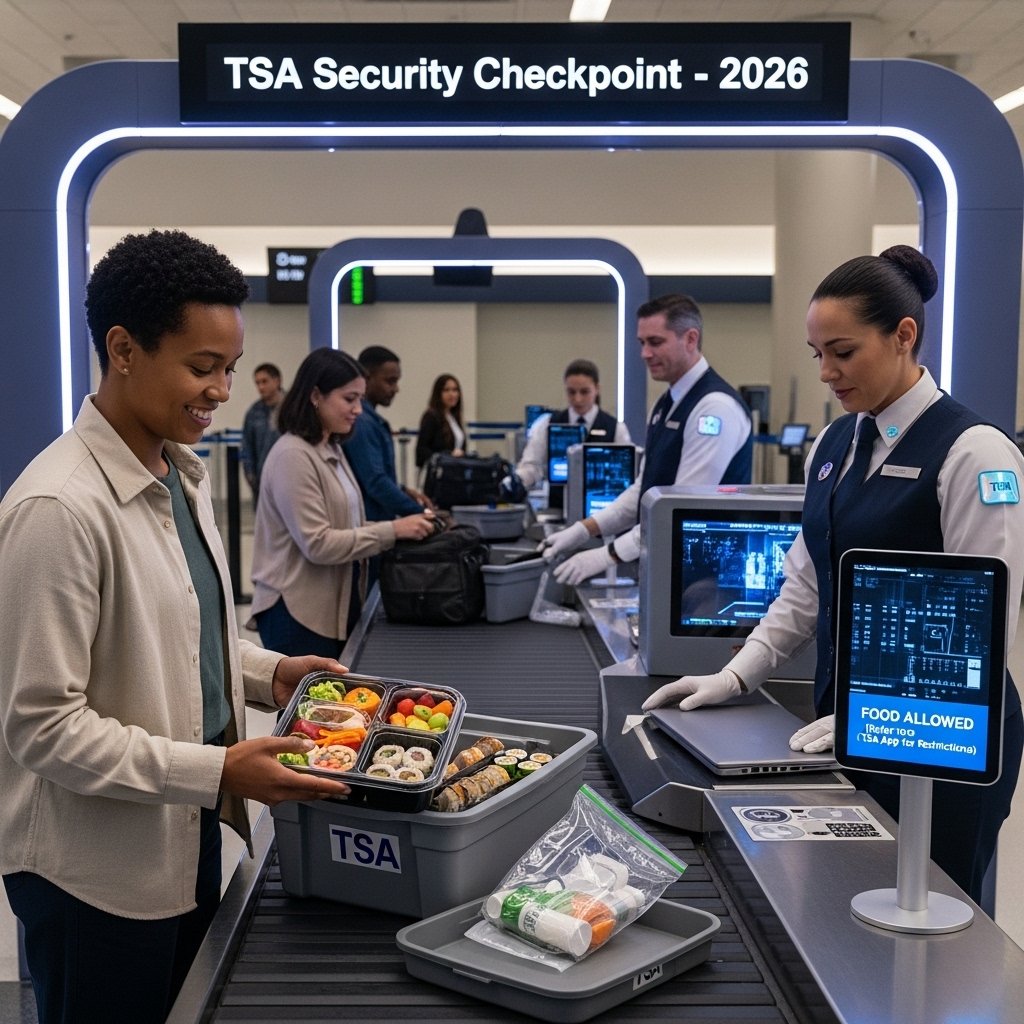
You can bring most foods through TSA checkpoints in your carry-on, but liquids, gels, and pastes must follow the 3-1-1 rule. After traveling through many U.S. airports with homemade meals and pet treats, I’ve picked up tips to avoid problems at security.
Mastering TSA’s 3-1-1 Rule for Food
The 3-1-1 liquids rule covers any food the TSA considers a liquid, gel, or paste, such as yogurt, nut butters, hummus, jams, soups, or creamy dips, if the container is over 3.4 ounces. All these items must fit in one clear quart-sized bag, and each container must be 3.4 ounces or less. Anything larger, even if not full, will be taken away.
Solid foods such as fresh fruits, sandwiches, baked goods, jerky, nuts, and protein bars are allowed in any amount because they pose no security risk. Starting in 2026, new CT scanners will better detect hidden liquids in foods, so there may be stricter checks on items like saucy casseroles or cream-filled pastries.
Special Exceptions for Families and Medical Needs
Baby food, formula, breast milk, and toddler juice do not have to follow the 3-1-1 rule if you bring a reasonable amount. Tell the TSA officer at screening so they can inspect them separately. Ice packs to keep these items cool are allowed if they are fully frozen. If they are thawed, they count as liquids unless you need them for medical reasons.
Medications, including liquids, are also allowed in larger amounts if you declare them. For pet owners, solid dry kibble or treats are easy to bring, but wet pet food or gels over 3.4 ounces must follow the liquids rule. I have brought dehydrated pet snacks on long trips without any problems.
International Flights: Extra Restrictions to Watch
Many countries mirror the U.S. 3-1-1 rule, like Canada, the UK, and Australia, so pack spreads or sauces small for carry-ons. Fresh fruits, veggies, or meats often face agricultural bans upon entry—eat that juicy mango mid-flight to avoid fines or Global Entry loss.
Check airline sites and destination customs; for example, Hawaii, California, or Florida restricts produce to prevent pests. Ship non-perishables ahead via services like Goldbelly for hassle-free delivery of homemade cooking.
TSA-Approved Snacks: Quick and Portable Picks
Pack these solids for energy without drama:
- Protein bars, dried fruits, nuts, popcorn.
- Jerky (beef, turkey, mushroom), hard cheeses, crackers.
- Sliced firm fruits or vegetables (such as apples and carrots; avoid juicy pieces).
- Banana bread, muffins, cookies (no creamy fillings).
For spreads, use travel-size nut butter packets weighing less than 3.4 ounces. Try stuffing them in dates or pairing with apples for a snack that works well for travel and meal prep. Making your own trail mix with roasted chickpeas adds crunch and flavor from home-baked spices.
Packable Meals for Full Flights
Build hearty carry-on meals like:
- Sandwiches/wraps with lean meats, veggies, and hard cheese.
- Pasta or grain salads (cold, no heavy sauces).
- Quiche slices, frittatas, rice bowls, and edamame dumplings.
- Dry instant oatmeal—request hot water onboard.
These foods travel well and help prevent messes. I have never needed to reheat anything and instead rely on room-temperature staples like marinated tofu skewers (only the solid parts). Avoid strong-smelling foods, such as curries or overripe produce, to be considerate of other passengers.
Foods That Often Get Tossed: Avoid These Pitfalls
Common confiscations include:
- Nut butters, jams, and honey over 3.4 oz.
- Soups, sauces, and canned goods in liquid form.
- Soft cheeses (brie, yogurt), cream-filled baked goods.
- Thawed frozen meals, saucy meats/seafood.
Homemade dishes that are hard to identify, like stews, can cause problems at security. Use clear containers and be ready to explain what’s inside. High-proof alcohol (over 140 proof) is not allowed at all. Smaller bottles are allowed, but you cannot drink them on the plane unless the crew serves them.
Smart Packing Tips from Real Trips
Use reusable silicone sandwich bags to keep food from getting squished or leaking, and use leak-proof 2.4-ounce cups for dips. Pack perishables in insulated lunch totes, bring utensils like titanium sporks, and add napkins for foods that might be juicy.
Tell the TSA officer about your food at screening. You can also use TSA’s “What Can I Bring?” tool or text 275-872 for quick answers. For pets, portion kibble into zip-top bags, or buy food after security if you are unsure. Choose solid foods instead of spreads for an easier experience.
FAQs
Can you bring peanut butter through TSA?
Yes, in containers ≤ 3.4 oz in a quart bag; larger jars are confiscated.
Is fresh fruit allowed through TSA security?
Yes, for domestic flights; eat before international arrival to avoid customs fines.
What food counts as a TSA liquid?
Yogurt, hummus, jams, nut butters, soups over 3.4 oz.
Can I bring baby food on a plane?
Yes, any amount; declare for inspection.
Are frozen foods TSA-approved?
Yes, if fully frozen solid at screening.