
Can You Bring Food Through TSA? 2026 Expert Guide for Stress-Free Travel
Can You Bring Food Through TSA? 2026 Expert Guide for Stress-Free Travel
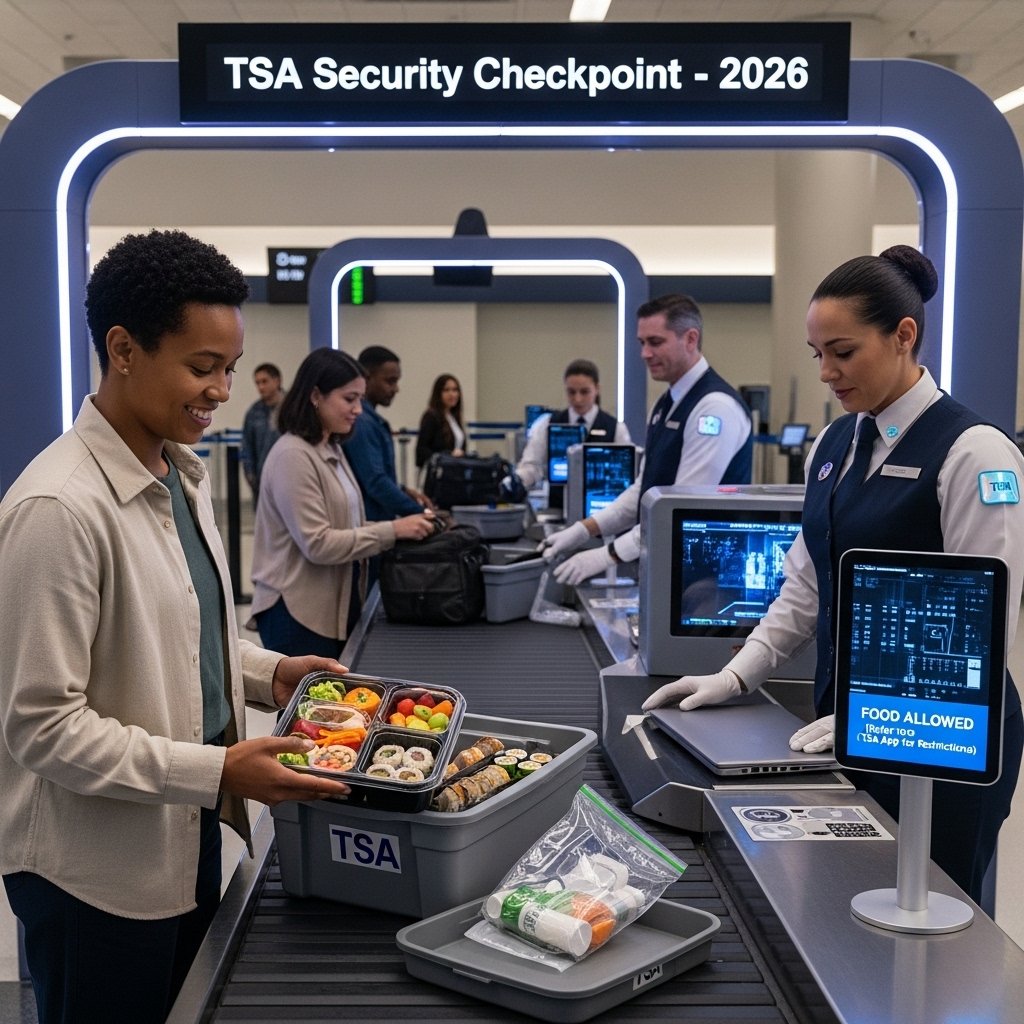
Air travelers are increasingly bringing their own snacks and meals on flights—whether to accommodate dietary needs, save money, or simply avoid soggy sandwiches and mystery pasta at 30,000 feet. But even seasoned travelers can get tripped up by TSA food rules: Is hummus a liquid? Are hard‑boiled eggs okay? Can you bring a full container of peanut butter?
This guide walks you through exactly what food you can bring through TSA, how the 3‑1‑1 rule applies to food, common problem items, and easy strategies for packing your own in‑flight eats without hassle.
Can You Bring Food Through TSA?
Yes—you can bring most food through TSA security checkpoints in your carry‑on bag. The key is understanding how TSA classifies food and how the liquids rule applies.
Broadly:
- Solid foods are usually fine in any quantity.
- Liquids, gels, spreads, and pastes must follow the 3‑1‑1 liquids rule for carry‑ons.
- Some items (like baby food and medically necessary liquids) are special exceptions.
If you know which category your food falls into, you can plan snacks and meals that sail through security.
The TSA 3‑1‑1 Liquids Rule (How It Applies to Food)
The 3‑1‑1 rule applies to all liquids, gels, and pastes in your carry‑on, including edible ones.
You may bring:
- Containers up to 3.4 ounces (100 ml) each
- All containers must fit in 1 quart‑size, clear, resealable bag
- Each passenger gets 1 bag
Foods that count as liquids, gels, or pastes include:
- Yogurt, pudding, custard
- Soups, stews, sauces
- Jams, jelly, syrup, honey, marmalade
- Peanut butter, almond butter, Nutella, tahini
- Hummus and other thick dips
- Creamy cheeses (cream cheese, brie, goat cheese, cheese spreads)
- Salad dressing, mayonnaise, ketchup, mustard, other liquid condiments
- Foods stored in oil or brine (like olives, pickles, feta in brine)
If any of these items is in a container larger than 3.4 ounces, it must:
- Go in checked baggage, or
- Be left behind at security
Note: The container size is what matters—not the amount remaining. A half‑empty 8 oz jar is still too big.
Solid vs. Non‑Solid Foods: What’s the Difference?
TSA makes a practical distinction:
Solid foods (generally allowed, no size limit):
- Whole fruits and vegetables (subject to customs rules on international flights)
- Cut fruit and veggies (carrots, apple slices, cucumber, bell peppers, etc.)
- Sandwiches and wraps
- Pizza slices
- Muffins, cookies, banana bread, cereal, granola
- Nuts, trail mix, seeds
- Jerky (beef, turkey, mushroom, etc.)
- Hard cheeses (cheddar, parmesan, gouda)
- Crackers, pretzels, popcorn, rice cakes
- Onigiri (rice balls), kimbap, sushi without raw fish (safe‑handling still on you)
These can usually be packed in your carry‑on without special restrictions, as long as they can be X‑rayed and inspected.
Foods treated as liquids/gels:
If it can spread, pour, smear, or slosh, TSA is likely to treat it as a liquid or gel. That’s why peanut butter, hummus, and runny cheese get caught by the 3‑1‑1 rule.
Exceptions: Baby Food, Breast Milk, and Medically Necessary Items
Some items are exempt from the 3‑1‑1 liquids limit, but you must declare them to security officers and be prepared for extra screening.
Baby & Toddler Items
You may bring, in reasonable quantities:
- Breast milk
- Infant formula
- Baby food (purees, pouches, jars)
- Juice and water for infants/toddlers
- Cooling gel packs or ice packs to keep these items cold
Key points:
- They do not need to fit in your quart‑size liquids bag.
- You should remove and declare them at screening.
- Ice packs for baby items can be partially melted; they may be tested separately.
Medically Necessary Liquids and Foods
If you need liquid foods, drinks, or gels for medical reasons, they can also exceed 3.4 oz.
Examples:
- Liquid nutrition drinks
- Gel packs for temperature‑sensitive medication
- Certain dietary supplements in liquid form
Bring:
- The items in clearly labeled containers
- Any supporting documentation (doctor’s note, prescription label) if possible
- Prepare to declare and allow additional screening
International Travel: Security vs. Customs
Even if security allows food on the plane, customs rules at your destination may not.
General guidelines:
- Many countries prohibit fresh fruits, vegetables, meat, eggs, and unprocessed animal products from being brought in.
- You usually must declare all food on arrival forms; failing to do so can mean fines or problems with future travel programs.
- It’s safest to finish or discard fresh food before you land.
Always double‑check the import rules for the country you’re flying to (and any countries you transit through).
TSA‑Approved Snacks You Can Pack
Here are traveler‑friendly options that usually pass TSA without trouble, as long as you respect the 3‑1‑1 rule for any dips or spreads:
Great carry‑on snacks:
- Sliced veggies (carrots, cucumbers, bell peppers) with a small container (≤3.4 oz) of hummus
- Fresh fruit: apples, bananas, grapes, berries (bring a napkin for juicy fruits)
- Protein or granola bars
- Trail mix, nuts, seeds, dried fruit
- Hard‑boiled eggs (peeled or unpeeled; bring them in a sealed container)
- Hard cheeses: cheddar, gouda, parmesan chunks
- Crackers, pretzels, popcorn, rice cakes
- Quick breads and baked goods: banana bread, muffins, scones
- Jerky (meat or plant‑based)
- Homemade energy bites or date “sandwiches” with a thin smear of nut butter
- Onigiri (rice balls) and kimbap (no raw fish if unrefrigerated for long)
Remember: any dips, spreads, or dressings must be portioned into ≤3.4 oz containers to go in your liquids bag.
TSA‑Friendly Meals You Can Bring on a Plane
If you want a more substantial meal:
- Sandwiches and wraps – Avoid over‑loaded sauces or very messy fillings; creamy dressings count as liquids.
- Slices of quiche or frittata – Solid, portable, tasty at room temperature.
- Grain or pasta salads – Keep dressings light and under 3.4 oz if separate.
- Cold rice or grain bowls – With veggies and proteins that don’t spoil quickly; add dressing from a small container.
- Instant oatmeal packets – Ask the flight attendant for hot water.
- Dumplings or potstickers – Great at room temp; carry soy sauce in a tiny container if desired.
Think “picnic food”: items that taste good cold or at room temperature, don’t smell strong, and are easy to eat in a tight seat.
What You Shouldn’t Pack for TSA (or for Fellow Passengers)
Some foods are technically allowed, but not ideal in real life:
- Highly perishable foods (like dairy‑based salads, raw fish sushi, mayo‑heavy dishes) on long flights or without proper cooling.
- Strong‑smelling items (tuna salad, boiled eggs left open, very pungent cheeses) out of courtesy to others.
- Large tubs of spreads, dips, or yogurt (>3.4 oz) in your carry‑on—these will almost certainly be pulled.
- Soups, stews, or broths in big containers—they count as liquids and must be 3.4 oz or less.
When in doubt: if it’s messy, very fragrant, or heavily liquid, reconsider or repackage it.
Tricky Foods That Confuse Travelers
Here are some commonly misunderstood items and how TSA usually treats them:
- Nut butters (peanut, almond, etc.): Count as liquids; must be in 3.4 oz containers in your liquids bag.
- Soft cheeses (brie, camembert, cream cheese, cheese spreads): Usually treated as gels—3.4 oz rule applies.
- Hummus and other thick dips: Liquids/gels; portion into small containers.
- Salsa, jam, jelly, honey, pesto, chutney: All liquids for TSA purposes.
- Jarred items in brine or oil (olives, pickles, feta): The liquid counts; either bring containers under 3.4 oz or drain and repackage solids.
- Canned foods: If there’s liquid inside, each can must be under 3.4 oz to go in carry‑on.
If you’re unsure, assume it falls under the liquids rule or check TSA’s official “What Can I Bring?” resources before you pack.
Surprising TSA Food Exceptions
A few items often surprise travelers by being allowed (subject to airline policies and packaging):
- Live lobster: TSA may permit it in a clear, leak‑proof container—but airlines often have stricter rules.
- Fresh eggs: Raw or boiled eggs can go in carry‑on or checked bags if properly packed.
- Dried pet food and solid treats: Generally permitted, though international destinations may restrict them.
- Chocolate, candy, and sealed snacks: Solid sweets are almost always fine.
Always check your airline’s rules, especially for unusual items or anything live or fragile.
How to Pack Food Smartly for TSA
A little prep can save you time and headaches at security:
- Use clear, sealable bags or see‑through containers so contents are easy to see on X‑ray.
- Group your food items together so you can quickly remove them if asked.
- Follow the 3‑1‑1 rule for any liquids, dips, spreads, or dressings; keep them in your liquids bag.
- Bring a reusable utensil (fork/spoon/chopsticks) made of metal or sturdy plastic; these are allowed in carry‑on.
- Pack napkins and a small trash bag for wrappers, peels, and cores.
- Use an insulated lunch bag plus solid (frozen) ice packs for perishable items—melted packs may be inspected or discarded unless exempt.
- Carry an empty water bottle and fill it after security to avoid buying pricey bottled water.
What to Expect at Security When You Have Food
At the TSA checkpoint:
- You may be asked to remove food items from your bag and place them in a separate bin, especially if you have a lot or your bag looks cluttered on X‑ray.
- Officers may inspect or swab containers (especially liquids and gels) to verify they are safe.
- The final decision always rests with the security officer. Even if something is technically allowed, it may be refused if it can’t be identified clearly or raises concerns.
To speed things up, pack food so it’s easy to pull out and repack, and be ready to answer simple questions like “What is this?” or “Is there any liquid inside?”
Quick TSA Food Rules Summary
| Food Type | Carry‑On Allowed? | Special Rules |
|---|---|---|
| Solid snacks (bread, fruit, jerky, nuts, hard cheese) | Yes | No size limit; must clear X‑ray |
| Liquid/paste foods (yogurt, dips, nut butter, sauces) | Yes | Max 3.4 oz each; all in 1 quart bag |
| Baby food, formula, breast milk, infant juice | Yes (exempt) | Reasonable quantity; declare for inspection |
| Medically necessary liquids/foods | Yes (exempt) | Declare; may need documentation |
| Ice packs (non‑medical) | Yes | Must be fully frozen at screening |
| Alcohol in carry‑on | Limited | Must be ≤3.4 oz in carry‑on; airline rules apply |
| Canned foods with liquid | Yes | Each can ≤3.4 oz for carry‑on |
| Fresh produce into foreign countries | Often No | Generally prohibited; declare or discard |
By understanding these rules and planning your snacks and meals accordingly, you can enjoy better, cheaper, and more personalized in‑flight food—without slowing down the security line or sacrificing your favorite treats.
FAQs
Can you bring peanut butter through TSA?
Yes, in containers ≤ 3.4 oz in a quart bag; larger jars are confiscated.
Is fresh fruit allowed through TSA security?
Yes, for domestic flights; eat before international arrival to avoid customs fines.
What food counts as a TSA liquid?
Yogurt, hummus, jams, nut butters, soups over 3.4 oz.
Can I bring baby food on a plane?
Yes, any amount; declare for inspection.
Are frozen foods TSA-approved?
Yes, if fully frozen solid at screening.