
Can You Peel Potatoes Ahead of Time?
Can You Peel Potatoes Ahead of Time?
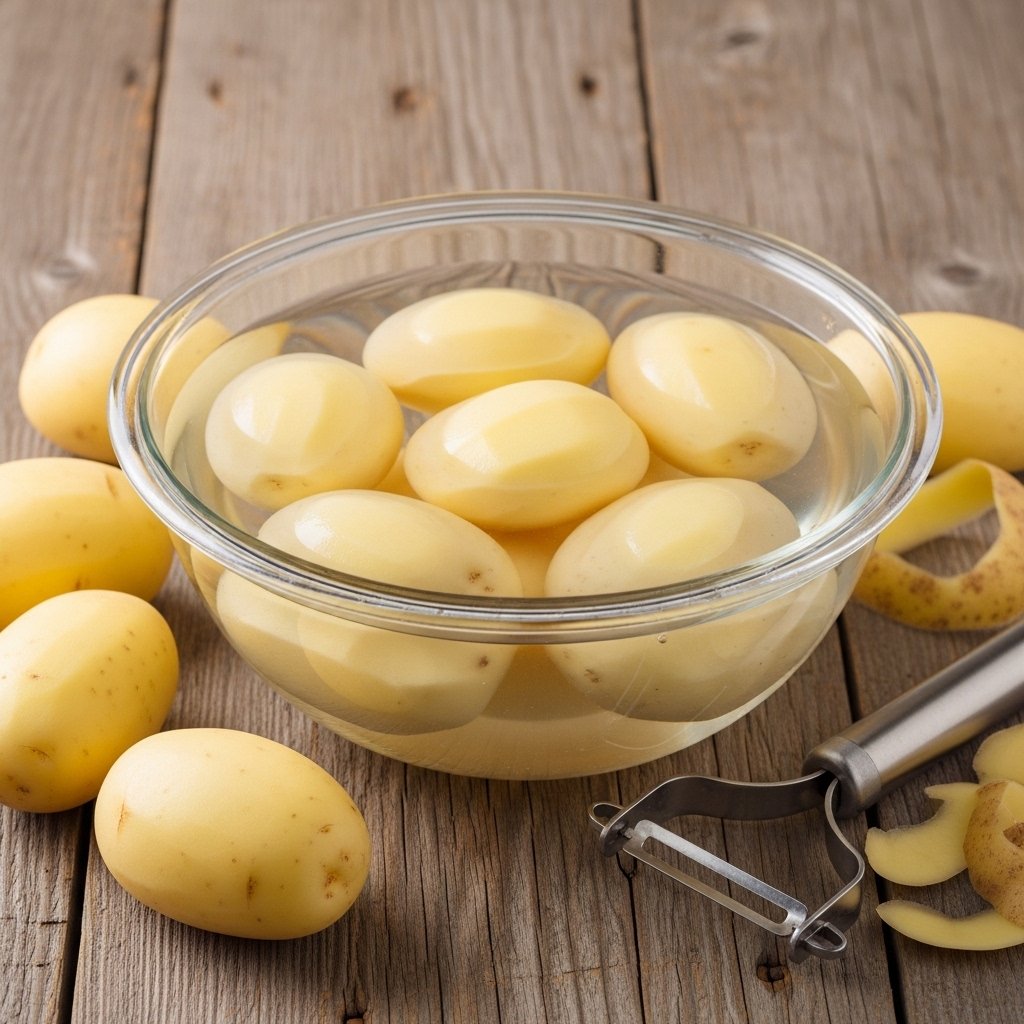
Peeling potatoes right before cooking often turns a simple meal into a rushed chore. After 30 years of cooking family dinners, I’ve learned you can peel potatoes ahead without them turning brown or mushy. This trick keeps mashed potatoes creamy, roasted potatoes crisp, and soups smooth. It frees up kitchen time for what matters: gathering around the table.
What Is Peeling Potatoes Ahead of Time?
Peeling potatoes ahead means prepping them hours or a day before cooking. Peel, cut if needed, and store in water to prevent oxidation. This stops the cut surfaces from browning. It’s a game-changer for busy home cooks handling weeknight meals or holiday feasts. Russet, Yukon Gold, or red potatoes all work well with this approach.
Why You’ll Love This Method
- Saves time: Prep ahead and cook fresh, ideal for busy evenings.
- Keeps potatoes fresh: No browning or off flavors when stored properly.
- Reliable results: You’ll get creamy mashed potatoes and crispy roasted potatoes every time.
- Simple and foolproof: All you need is water and a bowl—no special tools required.
- Versatile for any dish: Boils, bakes, fries, or adds to soups.
Ingredients for Prepped Potatoes
This yields enough for 4-6 servings in most recipes, such as mashed potatoes or potato salad.
- 5 pounds russet potatoes (or Yukon Gold for creamier texture)
- Cold water (enough to cover potatoes by 1 inch)
- 1 tablespoon salt (optional, for flavor infusion during storage)
- 1 teaspoon white vinegar or lemon juice (optional, extra browning protection)
Optional Substitutions
- Red potatoes for salads (firmer skin, less peeling needed).
- For sweet potatoes, use the same method but add a splash of orange juice to the water.
- If low-sodium, skip salt entirely.
Step-by-Step Instructions for Prepping Potatoes Ahead
- Choose fresh potatoes: Look for firm, smooth-skinned potatoes with no sprouts or green spots. Rinse them under cool water to remove any dirt.
- Peel thoroughly: Use a sharp vegetable peeler to remove the skin in thin, even strips. Peel over a bowl to keep your counter clean. Try to get smooth, white potato flesh.
- Cut into even pieces: Chop into 1-2 inch chunks for uniform cooking. Use smaller pieces for soups, larger for roasting. You’ll smell the fresh earthiness right away.
- Submerge in water immediately: Fill a large bowl with cold water. Add peeled pieces right away so they stay bright white. Stir in salt and vinegar if using.
- Cover and chill: Use a plate to weigh down potatoes under water. Cover the bowl with plastic wrap or a lid. Refrigerate up to 24 hours. The water stays clear if done right.
- Drain and rinse before cooking: Pour into a colander and rinse under cold water. Pat dry with a clean towel for crisp roasts or proceed to your recipe.
These steps take about 15 minutes upfront. The potatoes stay firm and ready, with no metallic taste.
Variations and Customizations
You can easily adjust this method to fit your needs.
Dietary Swaps:
- Gluten-free: This method is naturally gluten-free, so you don’t need to make any changes.
- Low-carb: Swap half the potatoes for cauliflower to make a lighter mash.
- Vegan: This method works perfectly for any plant-based dish.
Flavor Variations:
- Garlic boost: Add a few smashed garlic cloves to the storage water.
- Herb infusion: Add some rosemary sprigs to the water if you plan to roast the potatoes later.
- Spicy kick: After draining, mix in some chili flakes if you’re making potato wedges.
Equipment Alternatives:
- If you don’t have a big bowl, use a zipper bag filled with water and squeeze out the air.
- Short on fridge space? Prep smaller batches in mason jars.
- Use an electric peeler for faster results if your hands get tired easily.
Expert Cooking Tips
After many years in the kitchen, here’s what I’ve found works best. Always start with cold water because hot water makes potatoes brown faster. If you’re prepping overnight, change the water every 12 hours to keep the potatoes crisp. For mashed potatoes, drain well, then steam-dry over low heat for 1 to 2 minutes after boiling to achieve the fluffiest results. Test one piece—if it feels slimy after storage, throw it out and start again. Russets hold their shape best for fries, while Yukon Golds are great for creamy dishes. To reduce browning, try peeling potatoes under running water to reduce air exposure.
Common Mistakes to Avoid
- Skipping the water submersion: Potatoes brown fast in air—always plunge them in immediately.
- Using warm water: Warm water accelerates potato breakdown; always use ice-cold water.
- Overcrowding the bowl: Pieces must remain fully submerged; otherwise, the edges will darken.
- Storing too long: If you store potatoes for more than 24 to 36 hours, they become mealy.
- Forgetting to rinse: Residual starch results in gummy mash.
Real Cooking Scenario
Last Thanksgiving, I had 20 guests and a tiny kitchen. I peeled 10 pounds of potatoes the night before while watching my grandkids play. Stored them in two big bowls in the fridge. The next day, they drained perfectly—no brown spots, just fluffy mash with gravy in under 30 minutes. Everyone raved, and I actually sat down with the family instead of scrubbing at the sink.
FAQs
Can you peel potatoes in advance for mashed potatoes?
Yes, up to 24 hours. Store in the fridge in cold salted water for creamy results without browning.
How long can peeled potatoes sit in water?
Safely, 24 hours in the fridge. Change water after 12 hours for best freshness.
Do peeled potatoes need to be refrigerated?
Absolutely—room temperature speeds spoilage. The fridge keeps them firm and safe.
Why do peeled potatoes turn brown?
Air exposure causes oxidation. Submerge it in water right away to prevent it.
Can I peel potatoes 2 days ahead?
Not recommended—texture softens. Stick to 24 hours max for quality.