
How to Cook Steak on the Stove
How to Cook Steak on the Stove
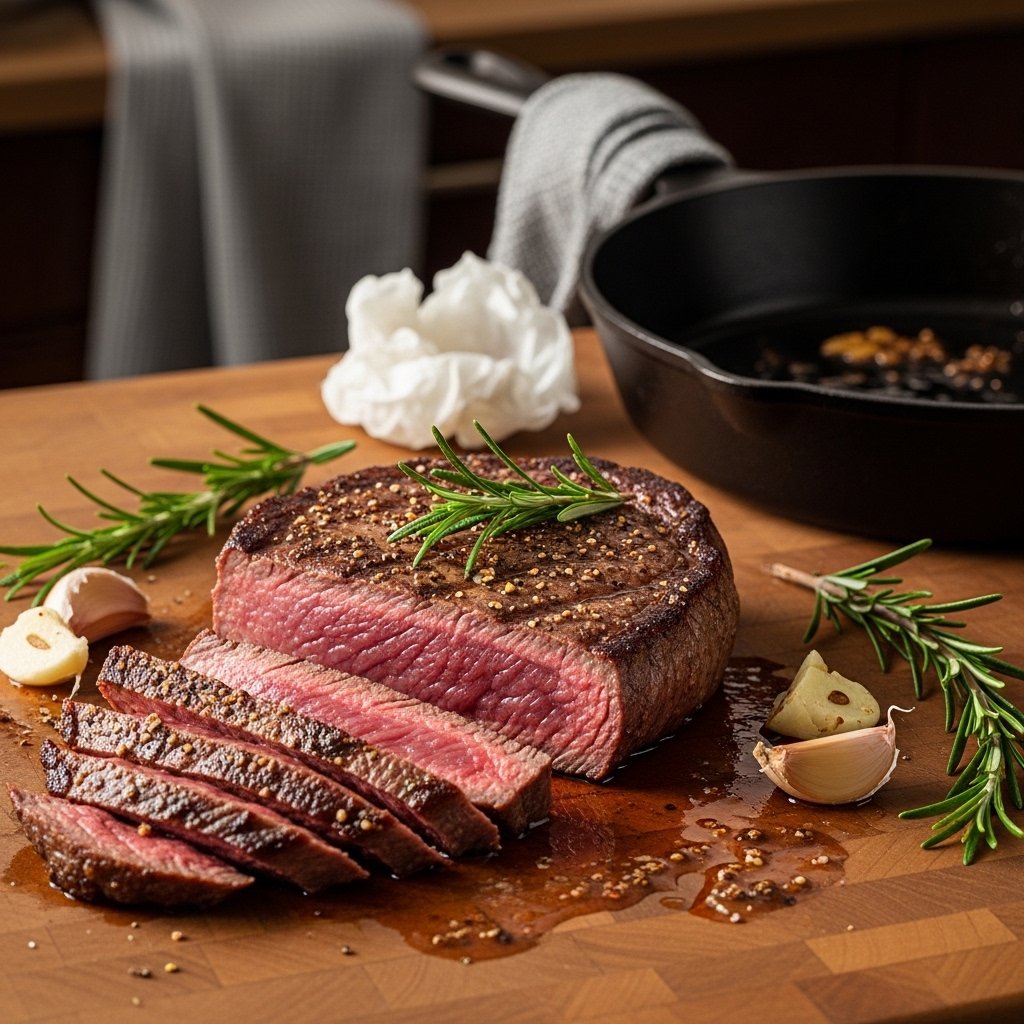
Cooking steak on the stove is a great option when you lack time or space. Tough or bland steak is common, but this simple method gives you a crispy crust and juicy, pink center every time. All you need is a skillet and a few basic ingredients for steakhouse-quality results.
What Is Pan-Seared Steak?
Pan-seared steak is made on the stove using high heat to create a browned crust while the inside stays tender and juicy. The sizzle is the Maillard reaction, which adds rich flavor. This method works for ribeye, sirloin, or New York strip and takes less than 15 minutes of active cooking. You don’t need an oven or grill, so it’s perfect for apartments or busy weeknights.
Why You’ll Love This Recipe
- Unbeatable flavor: The crust locks in juices for a rich, beefy taste that rivals steakhouses.
- Simple for beginners: Just three main steps—no fancy tools or long prep.
- Fast results: Dinner ready in 20 minutes total, perfect for busy evenings.
- Perfect texture: Crispy on the outside, melt-in-your-mouth on the inside, every time.
- Reliable doneness: Built-in checks ensure you hit your preferred medium-rare without overcooking.
Ingredients
Serves 2 (scale up as needed).
- 2 ribeye steaks (1–1.5 inches thick, about 12–16 oz each), at room temperature
- 1 teaspoon kosher salt
- ½ teaspoon black pepper, freshly ground
- 2 tablespoons neutral oil (like avocado or canola, high smoke point)
- 2 tablespoons unsalted butter
- 2 garlic cloves, smashed
- 3–4 fresh thyme sprigs (or rosemary)
Optional Substitutions
- Swap ribeye for sirloin (leaner) or strip steak (firmer bite).
- Use olive oil if you lack neutral oil, but watch the smoke.
- Dried herbs work in a pinch: ½ teaspoon each.
Step-by-Step Cooking Instructions
- Prep the steaks: Pat them dry with paper towels to remove moisture and help them brown—season both sides with salt and pepper. Let the steaks sit at room temperature for 30 to 45 minutes. You’ll notice a slight sheen appear.
- Heat the pan: Place a cast-iron or heavy skillet on medium-high heat for 4 to 5 minutes. Add oil; it should shimmer and start to smoke slightly. To test, flick a little water in the pan. It should sizzle right away.
- Sear side one: Place the steaks in the pan, laying them away from you to avoid splatter. Let them cook without moving for 3 to 4 minutes, until a deep golden crust forms and the edges crisp. Listen for a steady sizzle.
- Flip and baste: Turn the steaks over and coat them with the basting liquid. Add butter, garlic, and thyme to the pan. Tilt the pan and spoon the melting butter over the steaks for 2 to 3 minutes. The kitchen fills with a nutty, garlicky aroma.
- Check doneness: Press the center of the steak. Rare feels soft like your cheek, while medium-rare springs back a bit like your chin tip. You can also use a thermometer; 125°F (52°C) is medium-rare. Remove the steak from the heat when it’s 2 to 5°F below your target, as it will keep cooking off the heat.
- Rest and serve: Transfer the steak to a plate and loosely cover with foil. Let it rest for 5 to 10 minutes so the juices can spread and achieve the best tenderness. Slice the steak against the grain.
Variations and Customizations
Make it your own with easy tweaks.
Dietary swaps: Go keto with extra butter basting; for low sodium, cut salt by half; and add acidity with lemon zest.
Flavor variations: Cajun rub (paprika, garlic powder, cayenne), pre-sear for spice. Chimichurri sauce post-rest for an herbaceous kick. Asian twist: soy sauce and ginger in the baste.
Equipment alternatives: No cast-iron? Stainless steel works—preheat longer. Electric stove? Use a skillet one size smaller for even heat.
Expert Cooking Tips
Start with good-quality beef. Look for bright red color and marbling for the best flavor. Steaks at room temperature cook more evenly, while cold ones tend to steam instead of sear. Add butter after flipping the steak, since it burns at high heat. For steaks thicker than 1.5 inches, finish in a 400°F oven for 2 to 3 minutes. Taste the pan juices and deglaze with wine for a quick sauce. Always slice the steak thin for tenderness.
Troubleshoot smoke: Make sure to ventilate your kitchen well and lower the heat a bit if needed. If you see gray edges, the heat was too low, so turn it up next time.
Common Mistakes to Avoid
- Skipping the dry pat: If you don’t dry the steak, it will steam instead of sear, leading to a gray, soggy result.
- Overcrowding the pan: Putting too many steaks in the pan lowers the temperature. Cook in batches to get a good crust.
- Skipping the rest: If you cut the steak right away, the juices will run out and the meat will dry out.
- Flipping too often: Turning the steak too many times stops a crust from forming. Flip it just once.
- Relying only on time: Every steak is different, so use the touch test or a thermometer for the best results.
Real Cooking Scenario
Last Tuesday, after a long day chasing the kids, I wanted steak but didn’t want to deal with cleaning the grill. I grabbed two ribeyes from the fridge, salted them while I chopped some veggies, and had dinner sizzling in just 10 minutes. My husband loved the buttery crust and said it was better than our last restaurant meal. With a salad on the side, it felt like a special meal without any hassle.
FAQs
How long to cook a steak on the stove for medium-rare?
Sear 3–4 minutes per side over high heat, aiming for an internal temperature of 125°F. Rest 5 minutes.
Best pan for stovetop steak?
Cast-iron holds heat best for the crust. Stainless works too—preheat fully.
Can I cook frozen steak on the stove?
Thaw first in the fridge for even cooking. Frozen leads to uneven doneness.
What oil is best for searing steak?
High-smoke-point oils like avocado or canola. Avoid extra-virgin olive oil—it smokes.
How do I know steak is done without a thermometer?
Press test: medium-rare bounces back like a chin tip. Cut a small slit if unsure.