
Perfect Baked Chicken Breast
Perfect Baked Chicken Breast
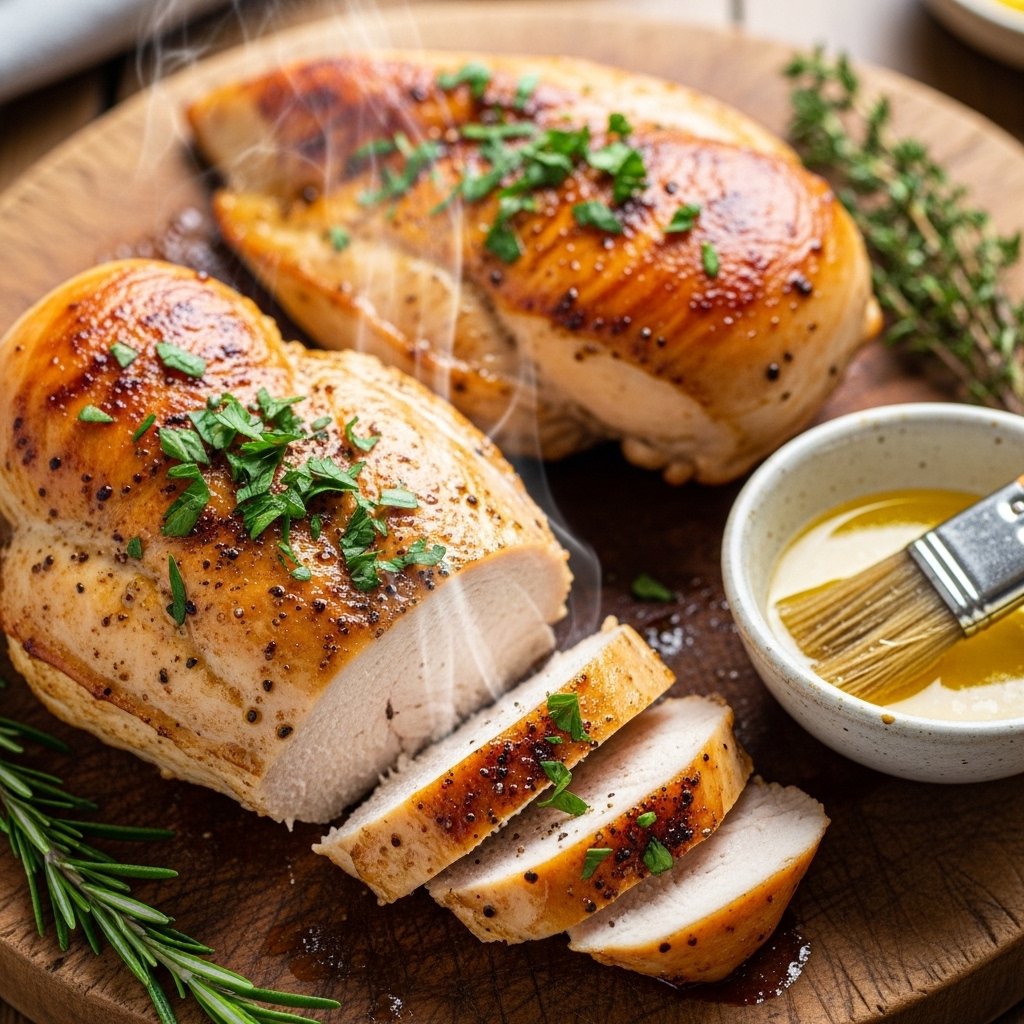
Why Baked Chicken Breasts Fail (And How to Fix It)
Dry, overcooked chicken breasts are a common problem at home. The key is to make the chicken an even thickness, bake it at high heat, and use a quick brine. With this method, you’ll get juicy, flavorful chicken in less than 30 minutes of hands-on time.
After 30 years of developing recipes, I’ve tried many techniques. Pounding the chicken helps it cook evenly, and brining helps keep it moist without becoming soggy.
Key Ingredients for Success
Start with 4 boneless, skinless chicken breasts (6-8 ounces each). Gather olive oil, salt, pepper, garlic powder, paprika, and herbs like thyme if you like. A squeeze of fresh lemon brightens the flavor.
Pat the chicken dry before adding seasoning. This helps create a crisp outside and prevents steaming. If you can, choose free-range chicken for better texture.
Essential Tools You Need
Use a meat mallet or rolling pin to pound the chicken. Line a rimmed baking sheet with parchment for easy cleanup. An instant-read thermometer helps you cook the chicken to 165°F.
You can also line your baking sheet with foil to catch drippings. High-sided pans are helpful if you want to save the juices for a sauce.
Step-by-Step Brining
Start with a simple brine: 4 cups water, 1/4 cup salt, 1 tbsp sugar. Submerge breasts for 15-30 minutes. Rinse and pat dry.
Brining makes the chicken more tender without changing its flavor. If you’re short on time, you can skip it, but brining gives juicier results. Make sure to dry the chicken well so the seasoning sticks.
Pound for Even Cooking
Place chicken between plastic wrap. Gently pound to a 1/2-inch thickness from the center outward. Aim for uniform slabs.
If the chicken breasts are uneven, one end can be undercooked while the other is tough. Pounding them makes sure they cook evenly all the way through. It only takes about 2 minutes.
Seasoning the Perfect Blend
Mix 2 tbsp olive oil with 1 tsp each of salt, garlic powder, paprika, and onion powder, and 1/2 tsp pepper. Rub generously on all sides.
The oil helps the chicken cook evenly. Spices develop more flavor as they bake. For extra heat, add chili flakes, or use herbs for a more earthy taste.
Baking at High Heat
Preheat your oven to 450°F. Place the chicken on a parchment-lined baking sheet. Bake for 18 to 22 minutes, until the internal temperature reaches 160°F. The temperature will rise to 165°F as it rests.
Baking at high heat sears the outside and keeps the inside moist. Flip the chicken halfway through for a golden crust. Let it rest for 5 minutes after baking.
Checking Doneness Right
Insert the thermometer sideways into the thickest part. Clear juices confirm safety. Avoid overcooking past 165°F.
Visual cues: Firm, opaque meat springs back. Practice builds intuition alongside tools.
Resting for Juiciness
Tent loosely with foil off the heat. Juices redistribute during a 5-10 minute rest. Slice against the grain for tenderness.
If you skip the resting step, the juices will run out onto the cutting board. Waiting a few minutes yields slices as good as those from a restaurant.
Flavor Variations to Try
Herb Garlic: Add fresh rosemary and minced garlic to the base rub.
Lemon Pepper: Zest one lemon over chicken before baking.
Spicy BBQ: Mix in smoked paprika and drizzle with honey post-bake.
Asian-Inspired: Soy sauce, ginger, sesame oil in brine.
Each variation uses simple pantry staples. Adjust the spices to suit your family’s taste.
Serving Suggestions
Serve the chicken with roasted vegetables or a quinoa salad. You can also slice it for wraps, salads, or meal-prep bowls. Drizzle any pan juices over the top as a sauce.
This chicken works well in casseroles or stir-fries. It also freezes well once cooked and reheats in just a few minutes.
Storage and Reheating Tips
Cool completely, then refrigerate in an airtight container up to 4 days. Freeze slices flat up to 3 months.
Reheat gently in a 350°F oven with a splash of broth. Microwave risks toughness—avoid if possible.
Nutrition Highlights
Per serving (1 breast): 220 calories, 26g protein, 12g fat, 0g carbs. High protein supports muscle health.
This recipe is low in carbs, making it a good choice for keto or weight management. Pair it with fiber-rich sides for a balanced meal.
Common Mistakes to Avoid
Don’t skip pounding the chicken, or you’ll end up with dry edges. If you brine for too long, the chicken can get mushy, so keep it to 30 minutes. Baking at low oven temperatures steams the chicken rather than searing it.
If you crowd the pan, the chicken will steam rather than roast. Leave about an inch of space between each piece for better air flow.
Pro Tips from 30 Years
Bone-in breasts? Add 5-7 minutes bake time. For crispier skin, broil for the last 2 minutes. Always taste a pinch of seasoning before baking.
Brine overnight for entertaining. Double-batch midweek saves hours.
FAQs
How long to bake chicken breasts at 400°F?
Bake for 20-25 minutes until the internal temperature reaches 165°F. Rest 5 minutes for juiciness.
Should I cover baked chicken breasts?
No, uncover for crispy exterior. Foil only if browning too fast.
Why are my baked chicken breasts tough?
Overcooking or uneven thickness. Pound flat and use a thermometer.
Can I use frozen chicken breasts?
Thaw fully first in the fridge. Baking from frozen adds 50% to the baking time and increases the risk of uneven cooking.
What oil is best for baked chicken?
Olive or avocado oil for flavor and smoke point. Avoid butter—it burns.