
The Five Love Languages: Unlock Self-Awareness for Deeper Connections and Stronger Relationships
The Five Love Languages: Unlock Self-Awareness for Deeper Connections and Stronger Relationships
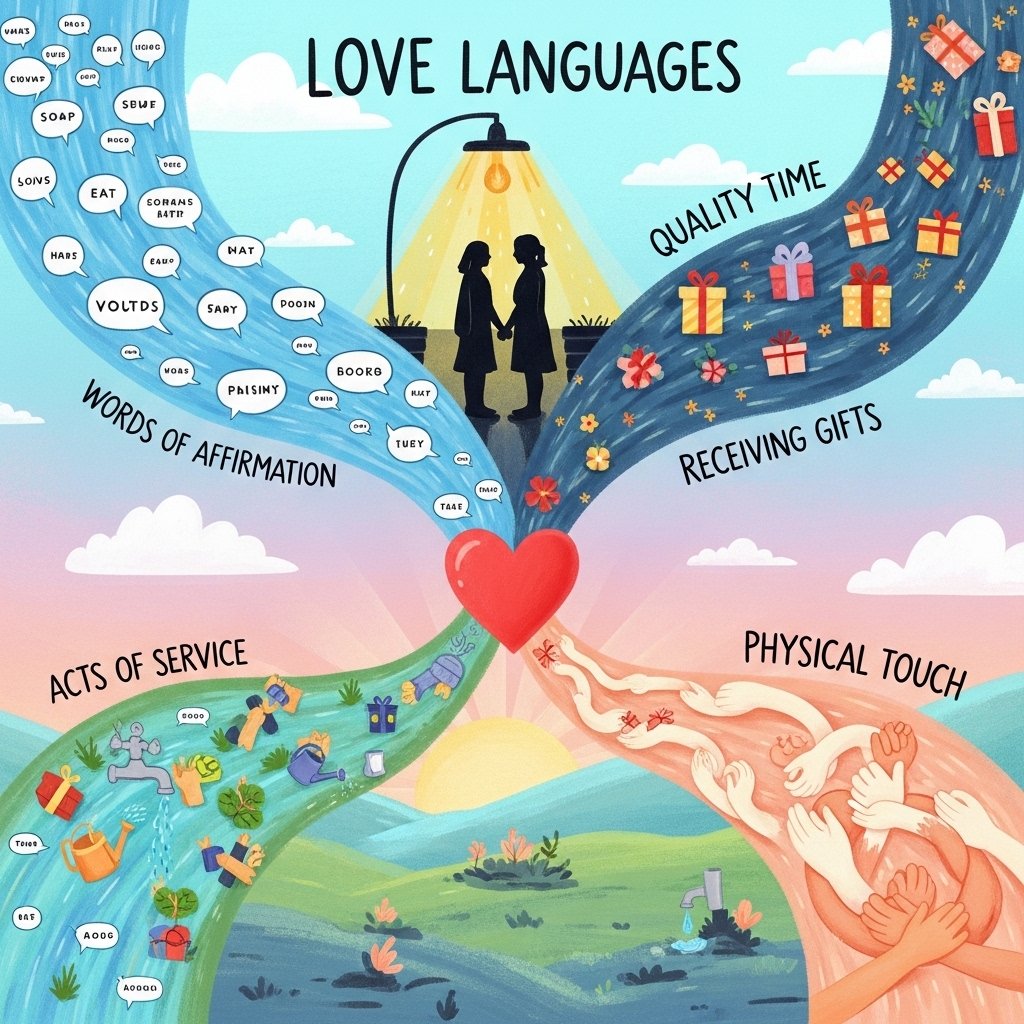
Maybe you’ve put a lot of effort into doing something special for your partner, but they barely react. At the same time, they seem to want something you can’t quite figure out. This kind of disconnect happens to many people and can leave you feeling unappreciated in your closest relationships. Learning about the Five Love Languages can help. This straightforward idea shows how you and your partner each give and receive love in your own way, helping you turn misunderstandings into a real connection. When you become more self-aware, you can close these gaps, show more empathy, and build relationships that feel more rewarding.
What Are the Five Love Languages?
Dr. Gary Chapman, a counselor with many years of experience, created the Five Love Languages. This idea describes five main ways people show and feel love: Words of Affirmation, Acts of Service, Receiving Gifts, Quality Time, and Physical Touch. Your main love language affects how you feel cared for, and if it’s missing, you might start to feel upset. Knowing your own and your partner’s love language can make daily life together clearer and help love feel more natural.
Words of Affirmation
If your love language is Words of Affirmation, you feel happiest when you get verbal encouragement. Sincere compliments, kind notes, or hearing things like “I’m proud of you” make you feel loved.
In relationships, this might look like wanting praise after a hard day or feeling happy when you get a thoughtful text. People with this love language feel close when you notice what they do and say it directly.
Sometimes, partners misunderstand and think this means someone wants constant compliments. But for people with this love language, kind words really do fill up their emotional tank.
Take Sarah, who planned elaborate dates for her husband, Mark. He appreciated them but rarely reciprocated with the encouragement she craved. Once he started voicing admiration for her thoughtfulness, Sarah felt truly seen, reigniting their spark.
Acts of Service
People whose love language is Acts of Service show love by doing helpful things, like making dinner or running errands. It’s less about big gestures and more about making life easier for each other.
They feel loved when you keep small promises and show you care by taking action. When a partner does chores without being asked, it means a lot. Sometimes, others think they should do these things themselves, which can leave them feeling unappreciated.
Consider Tom, whose wife, Lisa, showered him with hugs and kisses. He valued it but felt distant until she started brewing his coffee each morning. That quiet service made him feel prioritized and strengthened. If your love language is Receiving Gifts, small presents show you care and pay attention. It’s not about the gift itself, but the thought behind it that matters most. We were thinking of them, that hits home.
In relationships, this might look like being happy about a favorite snack or a keepsake from a special moment. People with this love language feel loved when gifts show you really know them.
A common mistake is thinking this love language is just about material things, but it’s really about feeling remembered. For example, Emily loved getting surprise flowers from Alex, but he thought it was a waste of money. When she explained it made her feel special, he started giving her small, thoughtful gifts, like her favorite book marked with notes. These gestures brought them closer.
Quality Time
People who value Quality Time want your full attention. They feel loved during focused conversations or shared activities, free from distractions. In relationships, this could mean going for walks without phones or having deep talks that show you care. Eye contact and being present help them feel recharged.
Some partners think this means always being together, but it’s really about the quality of your time, not how much time you spend—being fully present matters most.
Raj and Priya struggled; she planned outings, but he multitasked during them. Switching to phone-free dinners, where they shared dreams, helped Priya feel valued. Their connection grew stronger, rooted in real presence.
People whose love language is Physical Touch feel loved through hugs, holding hands, or cuddling. For them, touch is a way to feel safe and close: a sense of security and intimacy.
They feel happy from small touches during the day or being close at night. These moments help them feel secure.
Misunderstandings happen when others view it as purely sexual; for them, it’s foundational comfort. Mike’s partner, Jenna, focused on deep talks, but he withdrew. Learning touch was his language; she incorporated back rubs and arm squeezes. Mike opened up more, and their physical closeness helped rebuild emotional trust.
Why Understanding Your Love Language Matters
- Boosts communication clarity: Speaking your partner’s language cuts through vague expectations, making needs explicit.
- Reduces conflict: Fewer unmet needs mean less resentment, turning arguments into collaborative problem-solving.
- Builds emotional security: Feeling consistently loved fosters vulnerability and trust.
- Enhances long-term compatibility: Couples adapt, creating sustainable habits that evolve as they age.
How to Identify Your Primary Love Language
Begin by asking yourself some questions: What made you feel most loved in past relationships? What do you often ask your partner for? Notice your habits, like wanting compliments or help with chores.
Think about your arguments. What do you miss most when it’s not there? During disagreements, pay attention to what you ask for and what you hold back.
Finally, notice your complaints. Do you say things like, “You never listen” (which points to Quality Time) or “You don’t appreciate me” (which points to Words of Affirmation)? Your main love language often shows up in these moments.
Having different love languages can be frustrating, but you can work through it. Start by having honest conversations. Share your quiz results and examples in a non-judgmental way.
Use “I feel loved when…” statements to explain, not accuse. Practice small daily acts in their language, like a note if theirs is Words.
Shift mindset: View it as learning a dialect, not changing who you are—schedule “love deposits,” like 15 minutes of their preferred connection. Over time, this builds reciprocity and mutual delight.
Expert Relationship Insights (From 30+ Years of Experience)
Across the board, in my experience with many couples, I’ve noticed that understanding love languages can lead to happier relationships. Couples who do well learn to meet each other’s needs, turning their differences into strengths.est mistake? Assuming your way is universal, leading to exhaustion from one-sided giving. Another: Ignoring evolution; post-kids or career shifts, languages often pivot, like from Love languages can change as you grow. Early in a relationship, you might prefer Physical Touch, but over time, you may value Quality Time or Acts of Service more. Couples who check in with each other every year tend to stay strong. They stay resilient.
Common Myths About Love Languages
- Myth: It’s just a fad. Reality: It’s a timeless tool grounded in how humans process affection.
- Myth: You must match your partner’s. Reality: Differences create balance when learned.
- Myth: Gifts mean materialism. Reality: It’s about thoughtfulness, not expense.
- Myth: Only for romance. Reality: Applies to family, friends, and even self-love.
- Myth: Fixed forever. Reality: They shift with life changes.
Real Relationship Scenario
Anna felt invisible despite David’s weekend chores. He brewed her coffee, fixed the sink—yet she pulled away. “Why don’t you ever say you love me?” she’d ask.
David puzzled over her distance, showering her with hugs she barely returned. Turns out, Anna’s language was Words of Affirmation. After they took the quiz, David began saying things like, “I fixed the faucet because I love providing for us.” Anna wrote him thank-you notes in return. These small changes brought new warmth to their home and helped them reconnect. Simple shifts healed the rift.
FAQs
Can your love language change?
Yes, life events like parenthood or stress can shift it—say, from Physical Touch to Quality Time. Reassess every couple of years.
Can you have more than one primary love language?
Often, two rank high, but focus on your top one for impact. Blends are common and enrich expression.
What if my partner doesn’t believe in love languages?
Share a neutral quiz and give a real example from your relationship. Show your partner their love language first to demonstrate how much it matters to them.
Does psychology back love languages?
While not a formal theory, they align with attachment styles and emotional needs research, which has been proven effective in counseling.
How do love languages help you spot unmet needs that cause arguments? Take a moment, offer your partner’s love language, like a hug if they value touch, and then talk things through calmly. Discuss calmly.