
Why Are Mums Turning Brown? 7 Proven Fixes to Revive Them Fast
Why Are Mums Turning Brown? 7 Proven Fixes to Revive Them Fast
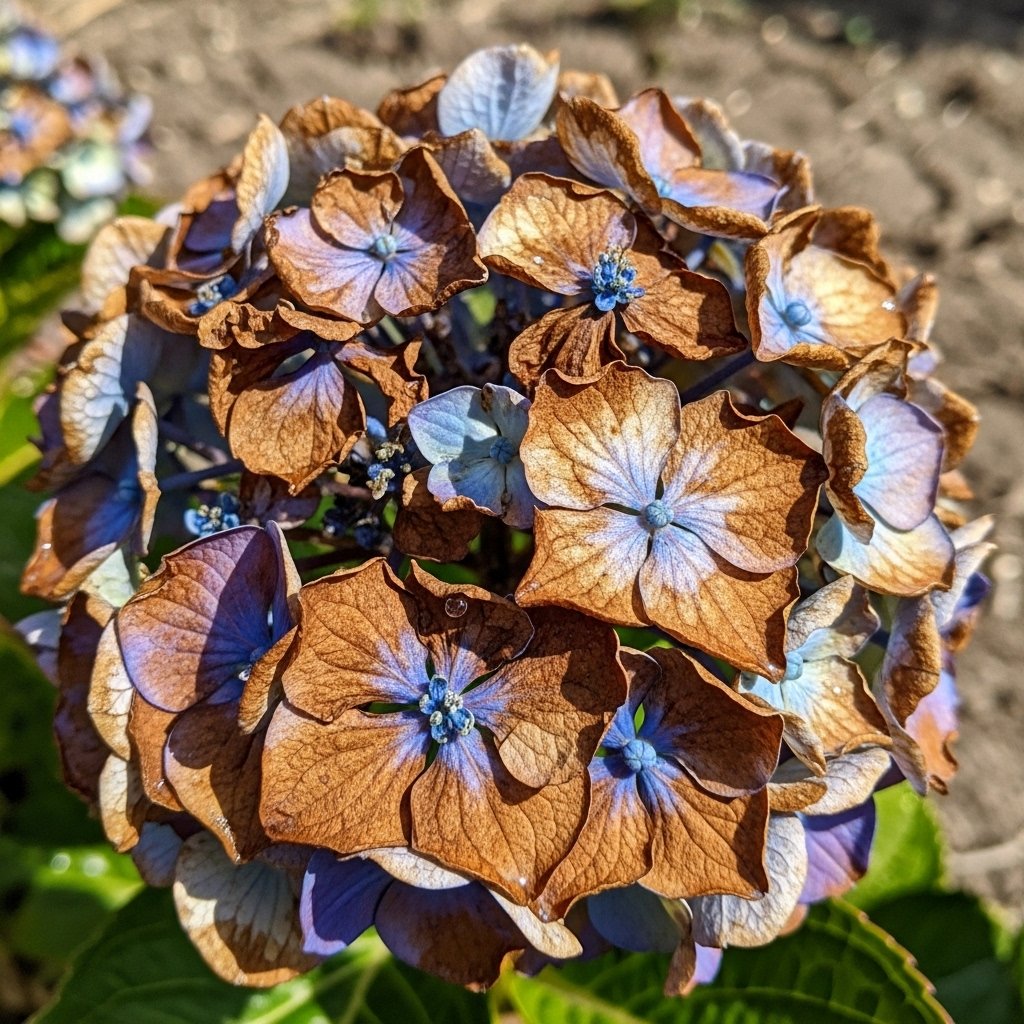
Chrysanthemums, also known as mums, brighten fall gardens with their colorful flowers. If you notice brown leaves or flowers, your plant needs help right away.
This guide draws on practical gardening experience to help you identify the causes and solutions. With these tips, your mum can bounce back in just a few weeks.
Spotting the Problem Early
Brown tips often start small on mums but can spread quickly. Look at the leaves for dry, crispy edges or soft, soggy centers.
Stems may wilt or become soft and mushy near the soil line. Catching these problems early can save your plant; take action as soon as you notice changes.
Check the entire plant in good light. Note whether the browning is even or in spots. This will help you figure out the problem.
Common Cause 1: Improper Watering
Mums need steady moisture but don’t like wet roots. If you underwater, the shallow roots dry out, and the leaves turn brown from the edges.
Too much water can suffocate the roots, causing them to rot and the plant to turn brown. Check the soil about an inch down—it should feel damp, like a wrung-out sponge.
Water your mums deeply when the top inch of soil is dry. Try to give them about an inch of water each week, more or less, depending on rainfall. Adding mulch helps keep moisture evenly distributed.
Common Cause 2: Poor Soil Conditions
Mums grow best in rich, well-drained soil with plenty of nitrogen and potassium. If they don’t get enough nutrients, their leaves turn yellow and then brown.
Heavy clay traps water, which can cause rot. Sandy soil drains too fast, starving plants. Test pH; mums prefer 6.0-6.5.
Amend with compost to improve drainage and nutrient availability. Raised beds work wonders for clay-heavy yards.
Common Cause 3: Too Much or Too Little Sun
Most mums do well with six hours of sun, but hot afternoon sunlight can burn their leaves. Varieties that prefer shade can be damaged by excessive sun exposure.
Insufficient light weakens stems, resulting in floppy growth and browning. Move pots or transplant your mums to spots that fit their light needs.
In hot areas, give your mums morning sun and afternoon shade. This helps them grow well without getting stressed.
Common Cause 4: Pests Invading Your Mums
Aphids, spider mites, and leafminers feed on the plant’s sap, leaving brown marks or spots. Look under the leaves for small bugs or webs.
Stem borers burrow into the plant, turning parts of it brown from the inside. These pests can spread quickly, especially when it’s warm.
Spray pests off with a strong stream of water. For tougher cases, use insecticidal soap in the evening to protect pollinators.
Common Cause 5: Fungal and Bacterial Diseases
Leaf spot fungi cause brown circles with yellow edges. If the soil remains too wet, root rot can cause the base of the plant to turn black or brown.
Powdery mildew first covers leaves in white, then they turn brown. High humidity makes these diseases worse.
Space your mums about 18 inches apart to improve air flow. If you see signs of disease, use copper fungicide as directed on the label.
Common Cause 6: Frost or Environmental Stress
Early frosts can turn the tips black, which then become brown as the plant cells die. Wind can also dry out plants quickly if they’re not protected.
When temperatures go above 85°F, leaves can burn if the plant doesn’t get enough water. Use row covers to protect mums during cold weather.
Allow new plants to acclimate slowly to outdoor conditions. Planting mums in groups helps protect them from wind while still allowing air to move around.
Common Cause 7: Natural Aging Cycle
After blooming, mums naturally turn brown as their season ends. Healthy plants drop old flowers and rest until spring.
Pinch off buds in summer to help your mums grow bushier. Remove old flowers often to keep the color going longer.
Cut back to 6 inches after frost for tidy dormancy. New shoots emerge stronger next season.
Step-by-Step Revival Guide
Start by figuring out what’s wrong. Cut off any damaged parts and, if needed, check the roots. If a plant is badly affected, remove it to stop the problem from spreading.
Make sure you’re watering and improving the soil as described earlier. Address any pests or diseases promptly.
Check your mum every week. If you see new green growth, your efforts are working. In spring, use a balanced 10-10-10 fertilizer, but don’t overdo it.
| Revival Step | Action | Timeline |
| Inspect & Prune | Remove brown parts with clean shears | Day 1 |
| Adjust Water | Deep soak when the topsoil dries | Weekly |
| Amend Soil | Add compost, test nutrients | Day 2 |
| Treat Pests/Disease | Soap spray or fungicide | Day 1-3 |
| Relocate if Needed | Optimal sun position | Day 1 |
| Mulch | 2-inch organic layer | Day 3 |
| Fertilize | Half-strength after recovery | Week 2 |
Prevention for Healthy Mums Year-Round
Plant in enriched, loamy soil from the start. Choose disease-resistant varieties like ‘Country Girl’ for reliability.
Water at the base of the plant to keep the leaves dry. Every three years, divide the clumps to keep your mums healthy.
Add mulch in winter to protect roots in colder areas. In spring, remove old leaves and stems to prevent pests.
Long-Term Care Tips
Feed your mums once a month during the growing season with a fertilizer that’s low in nitrogen to keep stems strong. Remove old flowers to encourage new growth.
If your mums are in pots, keep them in a garage over winter. For perennial mums, plant them a bit deeper to help them stay upright.
Monitor the weather and adjust your care to suit your climate zone. Mums do best in zones 5 to 9 when given the right care.
FAQs
Why are my mum’s leaves turning brown and crispy?
Underwatering or hot sun dries edges first. Water deeply and provide afternoon shade.
Can I save mums with brown stems from root rot?
Trim rotted roots, repot in dry soil, and withhold water until recovery starts.
How do I stop fungal spots from browning my mum’s?
Space plants for airflow and apply fungicide early. Avoid overhead watering.
Why do mum flowers turn brown after blooming?
Natural aging; deadhead spent blooms to tidy and promote more flowers.
Will fertilizer fix browning on nutrient-poor mums?
Yes, use a 6-2-4 ratio sparingly after a soil test to restore nitrogen and potassium.