
How To Grow and Care For Kalanchoe
How To Grow and Care For Kalanchoe
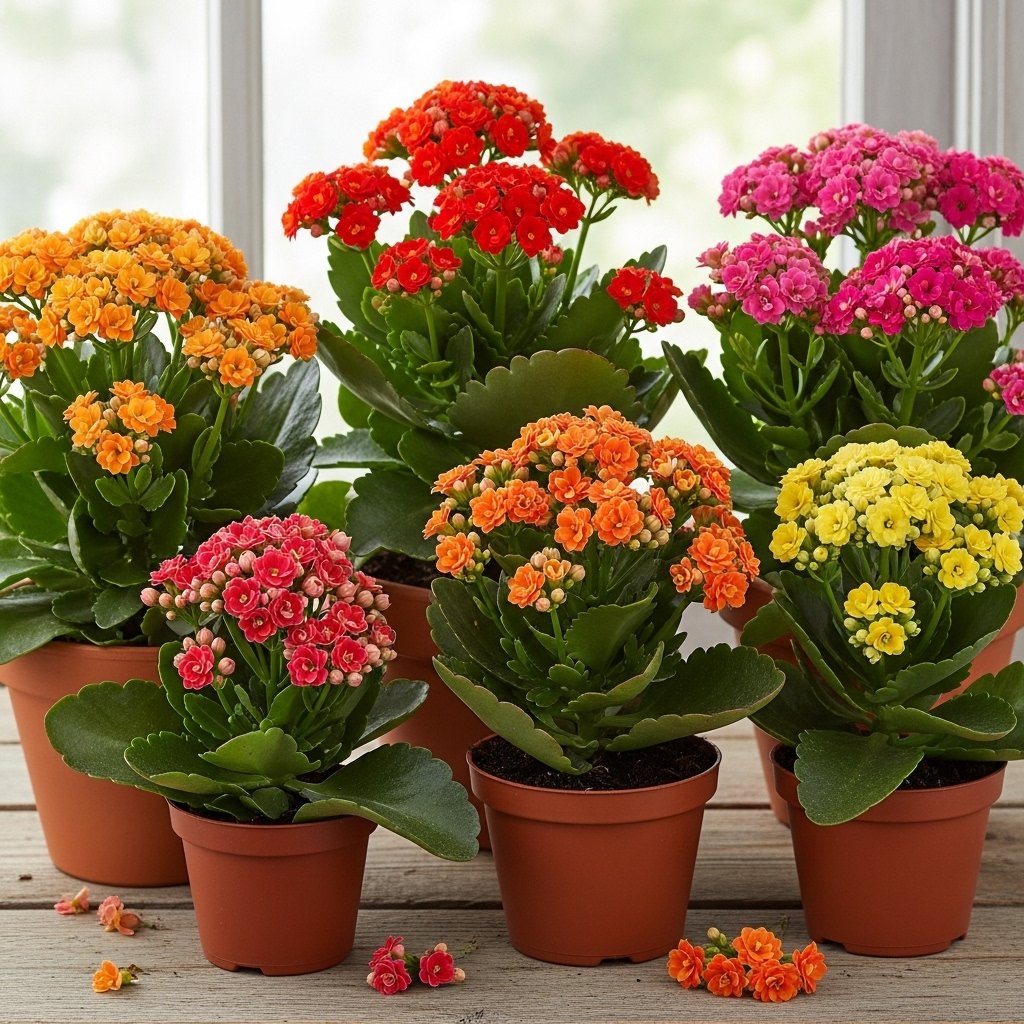
Kalanchoe has a rare combination gardeners love: it behaves like a tough succulent yet looks like a flowering houseplant you’d buy from a boutique florist. Those dense clusters of red, pink, orange, yellow, or white blooms sit above glossy, fleshy leaves that handle dry air and missed waterings better than most indoor plants. But if you want your kalanchoe to do more than survive—if you want tight, compact growth and repeat flowering—you need to move beyond generic “succulent” advice and understand its specific light, watering, and rest-period needs.
This guide walks you through how to grow and care for kalanchoe indoors and outdoors, including planting, repotting, watering, fertilizing, pruning, propagation, and how to coax it back into bloom after the first flush fades.
Meet Kalanchoe: Flowering Succulent 101
Most gift kalanchoes sold in supermarkets and garden centers are Kalanchoe blossfeldiana, a compact succulent that can flower for weeks indoors under the right conditions. Thick leaves store water, which is why the plant tolerates low humidity and infrequent watering far better than traditional flowering houseplants like African violets.
Kalanchoe naturally comes from warm, relatively dry regions of Madagascar, so it prefers bright light, moderate temperatures, excellent drainage, and a pronounced dry-down between waterings. Treated like a constantly moist tropical, it sulks; treated like a flowering succulent, it becomes one of the lowest‑maintenance bloomers you can grow.
Light Requirements: The Real Secret to Compact, Blooming Plants
Light is the single most important factor in keeping kalanchoe stocky and floriferous.
- Indoors, place your kalanchoe in bright, indirect light near a south‑, west‑, or bright east‑facing window, aiming for roughly 6–8 hours of strong light per day.
- Outdoors (in warm climates), give morning sun and afternoon shade, or 4–6 hours of direct light in cooler regions; harsh midday sun can scorch leaves.
If stems stretch, lean toward the window, or leaves lose their deep color, the plant is telling you it needs more light. Conversely, leaves that turn pale, crispy, or show brown patches likely indicate direct glass‑magnified sun that’s too intense—move it a little back from the window or filter the light.
Grow lights are a practical option in dim apartments or during short winter days; a small LED positioned 20–30 cm above the plant for 10–12 hours can prevent legginess and support flowering.
Temperature and Humidity: Warm and Dry, Not Tropical
Kalanchoe is happiest in the same range where most people feel comfortable.
- Ideal indoor temperatures: roughly 16–29 °C (60–85 °F).
- Night temperatures on the cooler side, around 10–18 °C (50–65 °F), can help flowers last longer.
Avoid:
- Frost and temperatures below about 10 °C (50 °F); plants can suffer cold damage and blackened leaves.
- Placement right against heaters, air conditioners, or drafty doors, which cause wide temperature swings and stress.
As a succulent, kalanchoe prefers low to moderate humidity and does not need misting; in fact, consistently wet foliage and high humidity increase the risk of fungal issues.
Soil and Potting: Think Succulent Mix, Not Standard Houseplant Mix
Good drainage is non‑negotiable. Soggy roots are the fastest way to kill a kalanchoe.
For containers, use:
- A high‑quality cactus or succulent mix, or
- A blend of regular potting mix with extra perlite or coarse sand (often 1:1) to improve drainage and aeration.
Choose a pot with a drainage hole; decorative cachepots are fine as long as the inner plastic pot can drain freely and you empty any standing water within the outer pot. Clay or terracotta pots are especially helpful for new growers because they help excess moisture evaporate more quickly.
Repot every 1–2 years in early spring, moving up only one pot size at a time. Slide the plant from its container, gently loosen the root ball, set it so the crown is at the same depth, backfill with fresh mix, and water thoroughly once.
Watering Kalanchoe: “Less Often, But Thorough”
Overwatering is by far the most common cause of declining kalanchoes. The basic rule: let the top 2–3 cm (1 inch) of soil dry out before watering again.
Practical routine:
- Check moisture with your finger; if the top layer is dry and the pot feels light, it’s time to water.
- Water deeply until it runs from the drainage holes, then let excess drain completely.
- Never leave the pot sitting in a saucer of water.
In bright, warm rooms, this might mean watering roughly once every 7–10 days; in cooler, lower‑light conditions or in winter, every 2–3 weeks may be enough. Allowing the plant to wilt repeatedly will stress it, but consistent dampness between waterings is worse—it promotes root rot and mushy stems.
In winter, when growth slows, reduce watering frequency; the soil should stay on the dry side of evenly moist.
Fertilizing: Light, Seasonal Feeding
Kalanchoe doesn’t need heavy feeding, but it does respond to a modest nutrient boost during active growth.
- Feed once a month in spring and summer with a balanced, water‑soluble fertilizer diluted to half strength.
- Skip or significantly reduce feeding in autumn and winter, when growth naturally slows and the plant rests.
Over‑fertilizing tends to produce soft, leggy growth with fewer flowers, and salts can build up in the soil. If you’ve been feeding heavily, flush the pot by watering generously and allowing water to run through to wash away excess salts.
Pruning and Deadheading: Keeping Plants Compact and Tidy
Kalanchoe responds well to light, regular pruning; this is how you prevent it from turning into a lanky, bare‑stemmed plant after flowering.
- Deadheading: Once a flower cluster finishes, cut the entire flower stalk back to the foliage; don’t just pluck off individual dead blooms.
- Shaping: If stems become leggy, trim them back by one‑third to one‑half just above a leaf node; this encourages branching and a bushier silhouette.
The best time for harder pruning is just after a bloom cycle ends. With consistent light and good care, new shoots will emerge below your cuts, and the plant will naturally fill in.
How to Get Kalanchoe to Rebloom
Most people assume kalanchoe is a single‑season plant because it often stops blooming after the original display fades. In reality, it’s a short‑day plant that sets buds when nights are long and days are relatively short—similar to poinsettia.
To encourage rebloom:
- Restore strength first. After flowering, deadhead, give it strong light, and maintain good watering for several weeks so leaves and roots are healthy.
- Simulate short days. For about 6 weeks, provide roughly 14 hours of uninterrupted darkness each night and 10 hours of bright light during the day. Many growers move the plant to a dark closet or cover it with a light‑proof box from evening to morning.
- Keep conditions steady. Maintain warm temperatures and avoid moving the plant or drastically changing watering during this bud‑setting period.
Once you see small buds forming at the tips, you can return the plant to a normal bright‑light spot and revert to your standard care routine. With this method, many indoor kalanchoes can bloom at least once a year, sometimes more.
Growing Kalanchoe Outdoors
In frost‑free or warm climates, kalanchoe can be grown outdoors year‑round; in cooler regions, it works beautifully as a patio or balcony plant in warm seasons.
Outdoors, ensure:
- Morning sun with afternoon shade in hot regions, or 4–6 hours of direct sun in milder climates.
- Well‑draining soil, often in raised beds or containers, to avoid standing water.
- Protection from heavy rain, which can saturate soil and damage flowers.
In areas with winter temperatures below about 10 °C (50 °F), bring plants indoors before frosts, or treat them as annuals and propagate cuttings to carry stock into the next season.
Propagating Kalanchoe: Make New Plants from One
One of the perks of kalanchoe is how easy it is to propagate. Stem cuttings are the most straightforward method:
- Take a 7–10 cm (3–4 inch) cutting from a healthy, non‑flowering stem.
- Remove the lower leaves and allow the cutting to dry for a few days so the cut end callouses.
- Dip in rooting hormone if desired and insert into a moist, well‑draining succulent mix.
- Place in bright, indirect light and keep barely moist until roots form, usually in a few weeks.
Once established, treat the new plant like a mature kalanchoe, with full light and the usual watering schedule.
Common Problems and How to Fix Them
- Yellow, mushy leaves: Almost always a sign of overwatering or poorly draining soil; let the mix dry more between waterings and consider repotting into a lighter medium.
- Leggy, stretched stems: Insufficient light; move closer to a bright window or add grow lights, and prune back leggy growth to encourage branching.
- No blooms, plenty of leaves: Either not enough light, or the plant hasn’t had a short‑day period; increase light intensity and consider using the 6‑week long‑night reblooming routine.
- Brown leaf edges or scorch: Too much direct, intense sun, especially through glass; shift to bright but indirect light.
Catching these early and adjusting care usually restores the plant without drastic measures.
FAQ Section
1. How often should I water my kalanchoe?
Water only when the top 2–3 cm of soil are dry, then water thoroughly and let excess drain; this often means every 7–10 days in bright conditions and less often in winter.
2. Does kalanchoe need direct sunlight?
It needs very bright light but not harsh midday sun; indoors, place near a bright south‑ or west‑facing window with indirect light, and outdoors give morning sun with afternoon shade in hot climates.
3. Why did my kalanchoe stop blooming?
After the store‑bought flush, plants need strong light, good care, and a period of long nights (about 14 hours of darkness for 6 weeks) to set new buds, otherwise they stay leafy but flowerless.
4. Can I grow kalanchoe outside year‑round?
Only in frost‑free, warm climates; in cooler regions, treat it as a summer container plant and bring it indoors before temperatures drop below about 10 °C (50 °F).
5. Is kalanchoe easy to propagate?
Yes; short stem cuttings allowed to callous and then rooted in well‑draining succulent mix usually establish quickly, making it simple to create new plants from a healthy mother plant.