
How to Overwinter Strawberries in 6 Easy Steps
How to Overwinter Strawberries in 6 Easy Steps
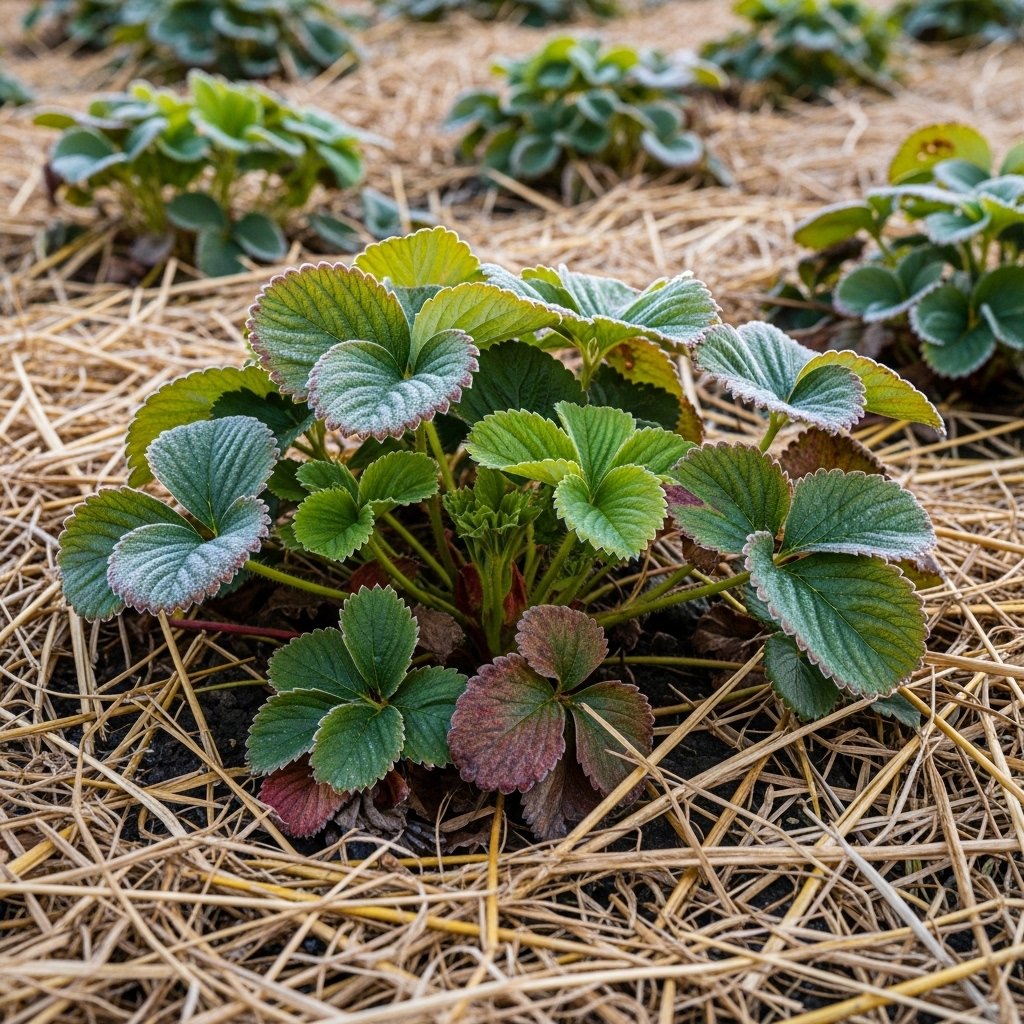
Few things in the garden feel as satisfying as seeing your strawberry patch wake up in spring—green crowns pushing through mulch, promising bowls of fruit in a few weeks. To get there reliably, though, you have to think ahead. Overwintering strawberries is less about pampering them and more about understanding how cold, wind, and freeze–thaw cycles really affect those shallow crowns and roots. With the right timing, mulch, and protection strategy, you can dramatically reduce winter losses and keep beds productive for years instead of watching plants heave out of the soil or die back after every harsh season.
This guide walks you step by step through how to overwinter strawberries in the ground, in raised beds, and in containers—plus what to do differently in mild versus very cold climates.
Why Strawberries Need Winter Protection
Strawberries are perennials, but they aren’t rugged shrubs with deep, protected root systems. Their crowns sit just above or at soil level, and roots are fairly shallow, which makes them vulnerable to repeated freezing and thawing. When bare soil heats up on a sunny winter day then refreezes at night, that expansion and contraction can literally push plants out of the ground, a problem called frost heaving.
Cold itself is not the only enemy. Unprotected crowns exposed to sub-zero temperatures can be killed outright, while plants in dry, windy conditions may desiccate even if air temperatures aren’t extremely low. Proper overwintering focuses on buffering these extremes—keeping crowns insulated, soil temperature more stable, and moisture levels consistent enough that roots don’t dry out.
Step 1: Know Your Climate and Strawberry Type
Before you reach for straw or row cover, you need to match your strategy to your conditions and plant type.
- In climates with consistent snow but not extreme lows, a natural snow blanket can help protect plants once they’re mulched.
- In regions with little snow, strong winds, and fluctuating temperatures, strawberries need deliberate mulching and sometimes row covers to compensate.
- In very mild climates (for example, parts of zones 8–9), strawberries may not need heavy winter protection at all, but they still benefit from light mulching and bed clean-up.
Day-neutral and June-bearing strawberries both require crown protection, but day-neutral varieties that produce over a longer season are often more stressed heading into winter and especially benefit from a careful renovation and mulching routine.
Step 2: Renovate and Clean the Bed After Harvest
Overwintering starts as soon as fruiting slows, not the night before a hard frost.
A simple renovation process for traditional matted-row beds:
- Remove weeds and excess runners. Thin dense tangles of daughter plants so you’re left with healthy, evenly spaced crowns; this reduces competition and disease pressure.
- Cut back old foliage. After the main harvest, mow or shear leaves a few centimetres above the crowns (avoid damaging the crown itself), then let fresh foliage regrow before winter.
- Top-dress with compost. Apply 2–5 cm of well-rotted compost between rows or around plants to refresh nutrients and improve soil structure ahead of next season.
This clean-up stage removes diseased leaves, reduces pest habitat, and ensures that the plants heading into winter are vigorous rather than exhausted.
Step 3: Timing Mulch—Wait for Dormancy
If you mulch too early, you trap warmth and keep plants actively growing when they should be shutting down. If you mulch too late, crowns may already have been damaged by early cold snaps.
A practical rule used by many extension services:
- Wait until you’ve had several nights around -5 °C (20 °F) and plants have clearly entered dormancy—leaves often turn reddish or collapse.
- In many temperate regions, this falls between late November and mid-December, but always watch local conditions rather than the calendar.
At that point, crowns are hardened off and ready to be tucked in under mulch without encouraging soft, late-season growth.
Step 4: Choosing the Right Mulch (and How Much)
Mulching is the core of overwintering strawberries successfully.
The best mulches for strawberries share three traits: they insulate, allow airflow, and don’t mat into a slimy layer. Recommended options include:
- Clean, weed-free straw (classic choice for strawberry beds).
- Pine needles, which insulate well and are easy to rake off in spring.
- Shredded leaves, provided they’re not in thick, compacted mats and show no disease.
Typical depth guidelines:
- 5–7.5 cm (2–3 inches) of mulch in milder winters.
- 7.5–10 cm (3–4 inches) in colder regions or exposed sites.
Spread mulch evenly over and around the plants; crowns can be buried lightly, since the material will settle over winter and plants can push through in spring. Avoid using hay, which is usually full of weed seeds, or fresh manure, which can burn plants and introduce pathogens.
Step 5: Overwintering Strawberries in Containers and Raised Beds
Strawberries in pots, grow bags, and vertical planters face a different set of risks because their roots are above ground and fully exposed to air temperature swings.
To overwinter container strawberries successfully:
- Insulate the root zone. Apply a 10–15 cm (4–6 inch) layer of straw or pine needles over the soil surface.
- Group and wrap. Cluster pots together against a house wall or fence and wrap the group with burlap, bubble wrap, or old blankets to reduce wind chill.
- Move to sheltered cold storage if possible. An unheated garage, shed, or cold frame that stays just below or around freezing is ideal: cold enough to maintain dormancy, but not so cold that roots freeze solid.
Vertical and tower systems are particularly vulnerable; many growers either move them under cover or temporarily transplant key plants into deeper, insulated containers for overwintering.
Step 6: Watering Before and During Winter
Dry plants are more likely to suffer winter injury than well-hydrated ones.
- In late autumn, water strawberries deeply a few days before the first predicted hard freeze; moist soil holds heat better than dry soil.
- During open, snowless winters, check moisture occasionally—especially in raised beds and containers—and water lightly on thawed days if the soil is bone dry.
Avoid saturating cold soil, which can contribute to crown rot; the goal is even, moderate moisture, not boggy conditions.
Step 7: Extra Protection in Very Cold or Windy Climates
In zones 5 and colder, or in windy sites, mulch alone may not be enough.
Additional measures include:
- Row covers: Lightweight fabric row covers or low tunnels laid over mulched beds add a few degrees of protection and buffer wind without completely excluding light.
- Thermal or frost blankets: Thicker frost blankets or even repurposed comforters can be used during extreme cold snaps, provided they are removed or opened in early spring to prevent overheating.
- Windbreaks: Fences, hedges, or temporary screens reduce wind desiccation and drifting snow that can strip mulch away.
These layers work best on top of a properly mulched bed rather than in place of mulch.
Step 8: Spring: When and How to Remove Mulch
Taking mulch off at the right time is just as important as putting it on.
- Watch for consistent thawing and soil temperatures above about 4–5 °C (40 °F).
- Many extension guides suggest beginning to pull mulch back when roughly 20–25% of plants show new growth.
A good approach is to:
- Rake mulch off crowns into the row middles or between plants, leaving a light layer to protect against late frosts.
- Remove or vent row covers gradually so plants can acclimate and avoid producing extremely tender foliage that will be killed by a surprise cold night.
If a late hard frost is forecast after you’ve uncovered plants, temporarily pull mulch or row covers back over the crowns to shield developing buds.
Common Overwintering Mistakes to Avoid
Even experienced gardeners fall into a few predictable traps.
- Mulching too early: Insulating vigorously growing plants can keep them soft and susceptible to frost; wait until they’re dormant.
- Too little mulch (or none): Bare soil around crowns invites frost heave and exposes buds to lethal cold temperatures.
- Using the wrong materials: Hay, fresh manure, and dense, wet leaf layers can cause rot, weeds, and disease.
- Forgetting containers: Potted strawberries left fully exposed often lose their root systems to freeze–thaw cycles, even in regions where in-ground plants survive.
Avoiding these errors goes a long way toward turning strawberries from a one-season novelty into a reliable perennial crop.
Quick Overwintering Checklist
Use this as a fast reference before the first serious cold arrives:
- Renovate beds: thin runners, remove weeds, tidy foliage, add compost.
- Wait for dormancy and several nights around -5 °C (20 °F).
- Mulch crowns and beds with 5–10 cm of straw, pine needles, or shredded leaves.
- For containers, add extra mulch, group pots, wrap, and move to sheltered cold spots when possible.
- Water deeply once before the ground freezes; monitor moisture during open winters.
- In very cold climates, add row covers or frost blankets over mulched beds.
- In spring, gradually remove mulch and covers as soil warms and new growth appears.
FAQ Section
1. At what temperature do strawberries need winter protection?
Most sources recommend mulching when temperatures regularly drop into the -5 to -7 °C (20–25 °F) range and plants have gone dormant; without mulch, crowns can be damaged at these levels.
2. How thick should straw mulch be over strawberries?
Apply roughly 5–7.5 cm (2–3 inches) in moderate climates and up to 10 cm (4 inches) in colder or exposed sites, making sure mulch covers crowns and surrounding soil evenly.
3. Can I leave strawberry plants outside in pots over winter?
Yes, but potted strawberries need much more protection than in-ground plants: insulate the soil surface, group and wrap pots, and move them to an unheated but sheltered area if winters are harsh.
4. Do I need to cut back strawberry plants before winter?
After harvest, many growers renovate beds by trimming foliage, thinning runners, and adding compost, but you should avoid cutting directly into the crowns; focus on cleaning and spacing rather than scalping plants.
5. When should I remove mulch from strawberries in spring?
Start pulling mulch back when soil is consistently above 4–5 °C (around 40 °F) and about a quarter of the plants show new growth, re-covering temporarily if a hard frost is forecast.