
Why Do Dogs Lick You? 7 Common Reasons
Why Do Dogs Lick You? 7 Common Reasons
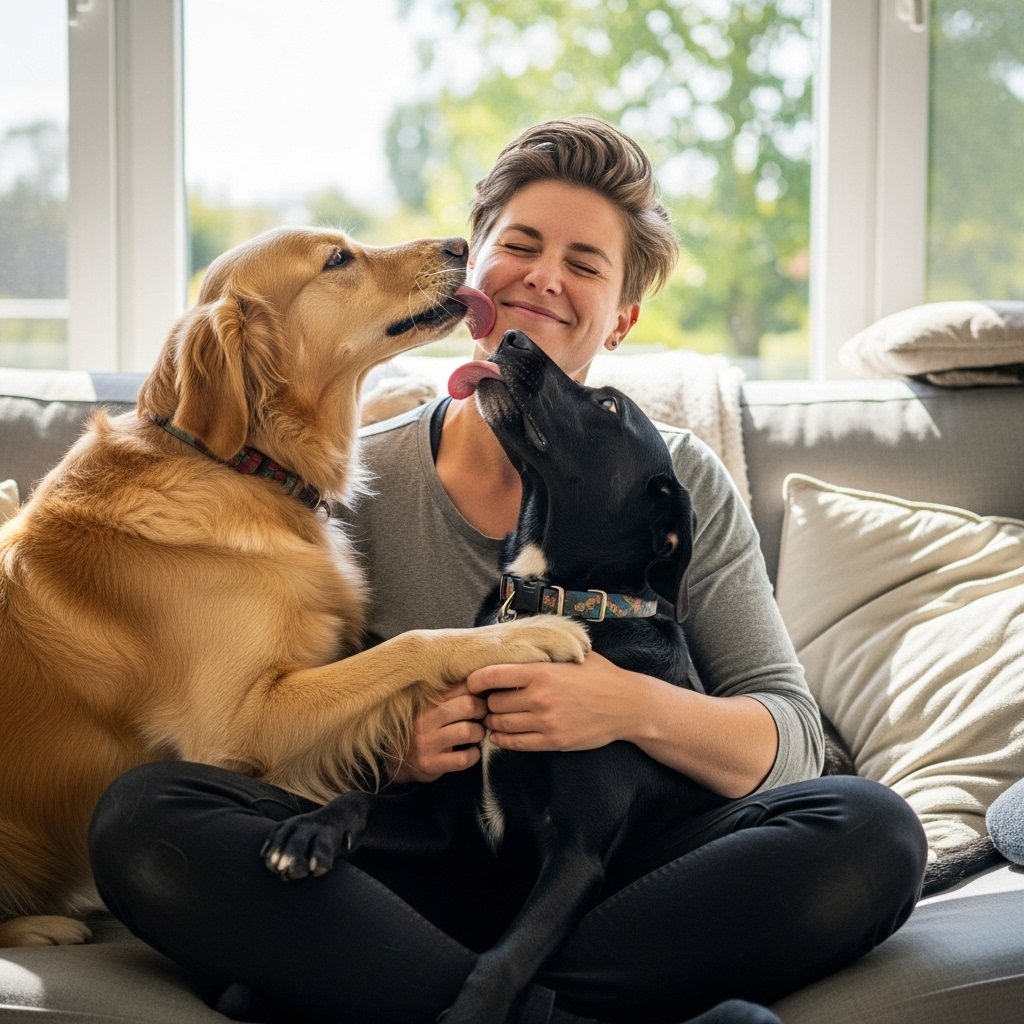
Dogs lick their owners for many reasons, including instinct, emotion, and habit. These behaviors come from their wild ancestors and pack life. Knowing why your dog licks can help you respond in the best way.
Affection and Bonding
Dogs often lick you to show love, much like how puppies bond with their mothers by grooming. This action releases endorphins for both of you, making it a comforting way to strengthen your bond.
In homes with more than one dog, you may see them licking each other to strengthen their bond. You can encourage this with gentle petting, but set limits if it gets too much during family time.
Tip: Reward gentle licks with treats or play. This helps build trust and keeps licking from getting out of hand.
Tasting Salt and Scents
Your skin’s salty sweat, lotions, or leftover food can make you very appealing to your dog’s strong sense of smell. Faces and hands get the most attention because they often have these scents.
After you exercise or eat, your dog may lick you more to enjoy the taste. This is especially common in curious breeds like Labradors.
To keep things healthy, wash your hands after cooking and use pet-safe skincare. This reduces the likelihood that your dog will lick you and helps prevent the spread of bacteria from food.
Seeking Attention
A quick lick can mean your dog wants to play or is hungry, especially around walk or meal times. Puppies learn early that licking gets your attention.
Look for wagging tails or bright eyes along with licks. These signs show your dog wants to interact, not that they are upset. Ignoring mild licking can teach patience, but if it happens at the same time, it may become a habit.
For training, ask your dog to sit before you give attention. This meets their needs and helps you set clear rules at home.
Submission and Respect
Licking is common among wolf packs, where lower-ranking wolves lick the leaders to show respect. Your dog sees you as the leader and licks you to keep the peace.
Rescue dogs or anxious dogs may lick more during greetings or when being corrected. If they lower their body, it means they are trying to show they are not a threat. This helps them feel calm during changes at home.
Support this positively: Acknowledge with a calm voice and brief pets, reinforcing your role without encouraging dependency—key for balanced behavior.
Hunger or Mealtime Cues
Before meals, dogs may lick you to remind you it’s time to eat. In the wild, puppies lick their mothers to ask for food. Even though your dog doesn’t need to do this, it still gets your attention.
Dogs with big appetites, like Beagles, may lick more when you are in the kitchen. Watch the timing to see if there is a pattern.
Keep a regular feeding schedule and ignore licking before meals. This helps prevent the habit and keeps your dog’s diet balanced.
Stress or Anxiety Relief
Dogs may lick too much to calm themselves during fireworks, when left alone, or in new places. This releases calming endorphins. If your dog is also pacing, it may be a sign of stress.
In India’s humid climates, summer storms trigger this in urban pets. Chronic cases might signal OCD, needing vet input.
To help, give your dog puzzle toys or a thunder shirt during stressful times. Short daily training sessions can also make your dog more confident and less likely to lick for comfort.
Grooming Instincts
Dogs lick to “clean” you, inherited from maternal grooming that stimulates circulation and hygiene in litters. Your face, with its scents, mimics pack cleanup.
This licking continues throughout a dog’s life, especially in breeds known for their affection, like Golden Retrievers. It is usually harmless unless it becomes obsessive.
Guide it: Offer a toy to redirect, maintaining hygiene—wash it after licking to avoid zoonotic risks from saliva-transmitted bacteria.
When Licking Becomes Excessive
Normal licking lasts only a few seconds. If your dog licks constantly, has bald spots, whines, or loses appetite, it could mean allergies, pain, or nausea. If you see pale gums or your dog is very tired, see a vet right away.
Weather, such as the humidity during Hyderabad’s monsoon, can make skin problems worse and lead to more licking. Keep a journal of your dog’s licking to help your vet find the cause.
Act quickly by talking to your vet about blood tests or diet changes. Probiotics can help if the licking is related to stomach issues.
| Reason | Normal Signs | Red Flags | Quick Fix |
| Affection | Short, tail-wagging licks | None usually | Pet and praise |
| Taste | Post-meal/hand licks | Skin irritation | Wash areas |
| Attention | Routine-timed | Disruptive begging | Ignore + cue |
| Submission | Greeting ritual | Fearful posture | Calm reassurance |
| Hunger | Pre-meal only | Weight loss | Strict schedule |
| Stress | Trigger-specific | Nonstop pacing | Anxiety aids |
| Grooming | Brief face/hand | Hot spots | Redirect to toys |
This table equips you to decode licks at a glance, promoting proactive care.
Practical Training Tips
To stop unwanted licking, turn away, say “no lick,” and reward your dog for sitting instead. Make sure everyone in the family does the same to avoid confusion.
Have daily 10-minute training sessions using special treats to teach your dog self-control. Teach children to fold their hands to keep dogs from licking their faces.
Over time, give your dog chew toys that feel like licking. This helps healthily satisfy their instincts and keeps them happy.
Health Monitoring Essentials
Regular vet visits can catch licking problems early. Dental cleanings help prevent mouth pain, and a balanced diet with omega-3s keeps your dog’s skin healthy and reduces extra licking.
Check your dog’s paws and skin weekly to spot signs of allergies. Make sure your dog drinks enough water during hot Indian summers to reduce licking caused by salty sweat.
Empower your bond through awareness—licks are conversations, and responding wisely ensures a thriving, tail-wagging companion.
Frequently Asked Questions
Is dog licking a sign of love?
Yes, it’s their primary affection gesture, releasing feel-good endorphins.
Why does my dog lick my face specifically?
Faces offer salty sweat, scents, and traces of food they find irresistible.
When should I worry about excessive dog licking?
If nonstop with skin issues, anxiety, or lethargy—see a vet promptly.
How do I stop my dog from licking me too much?
Ignore, redirect to toys, and consistently reward calm behavior.
Can dog licks be harmful to humans?
Rarely, but bacteria can be a risk—wash skin, especially for immunocompromised.