
11 Tips For Growing Chrysanthemums in Pots
11 Tips For Growing Chrysanthemums in Pots
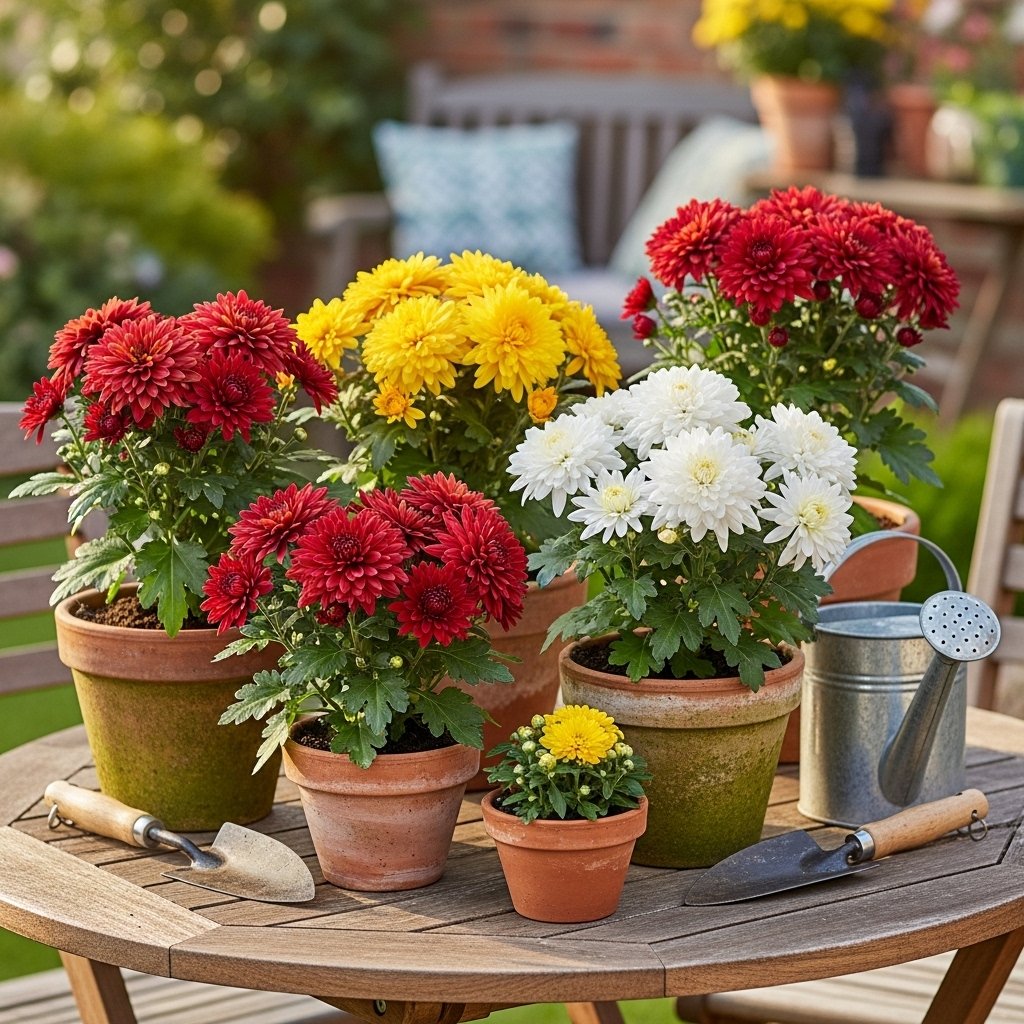
With proper care, chrysanthemums thrive in pots and add bright fall color to balconies and patios. These tough perennials reward patient gardeners with full flowers in gold, red, and pink.
Follow these 11 practical tips to grow healthy mums in containers every year.
Tip 1: Select Healthy Starter Plants
Choose chrysanthemums with strong stems and bright green leaves. Avoid plants with yellow leaves or wilted flowers, as these may indicate stress or disease.
Check the roots through the drainage holes. They should look white and stringy, not brown or circling. Healthy plants settle into pots quickly.
Buy from reputable nurseries in early fall for the best selection and vigor.
Tip 2: Choose the Perfect Pot Size
Select pots at least 12 to 14 inches wide and deep so the roots have room to grow. Chrysanthemums need space to avoid becoming root-bound.
Terracotta or plastic pots both work well. Make sure the pot has several drainage holes to prevent water from pooling. Bigger pots hold moisture better during hot weather.
Begin with 8-inch pots for small plants, and move them to bigger pots as they grow.
Tip 3: Use Well-Draining Potting Mix
Select a rich, loamy potting soil amended with perlite or sand for drainage. Chrysanthemums hate soggy roots, which lead to rot.
Mix in compost for nutrients; aim for a slightly acidic pH around 6.0-6.5. Avoid garden soil, which compacts in containers.
This mix keeps the soil light and moist without becoming soggy.
Tip 4: Position for Full Sun Exposure
Place pots in locations that receive 6 to 8 hours of direct sunlight each day. In hot places like India, morning sun and afternoon shade work best.
Turn the pots weekly to ensure the plants grow evenly. Without enough light, stems get long and thin, and there are fewer flowers.
Keep pots out of strong winds to protect the flower buds.
Tip 5: Water Consistently but Carefully
Keep the soil evenly moist and water when the top inch feels dry. Water thoroughly until the water drains out the bottom, then empty the saucers.
Potted mums dry out faster than those in the ground, so check them every day in summer. Add bark mulch on top to help keep in moisture.
Too much water can cause fungal growth, while too little can cause buds to fall off.
Tip 6: Fertilize for Robust Blooms
Use a balanced liquid fertilizer (10-10-10) every 2 to 3 weeks in spring and summer. For fall flowers, switch to a lower-nitrogen variety.
Mix the fertilizer at half strength to prevent plant burn. Stop feeding once the flowers fade so the plants can get ready for winter.
Organic fertilizers, such as fish emulsion, also help keep plants healthy.
Tip 7: Pinch Back for Bushy Growth
When plants are 6 inches tall, pinch off about an inch from the tips. Do this every two weeks until mid-summer.
This helps the plant grow more branches and flowers. Stop pinching by July so you get blooms on time.
Use fingers or shears for clean cuts.
Tip 8: Provide Structural Support
For tall types, add bamboo or metal stakes early. Potted chrysanthemums can tip over when their flowers get heavy.
As the stems grow, tie them loosely with soft twine. Group pots together to protect them from the wind and make them look nice.
Supports ensure upright, showy displays.
Tip 9: Prune Spent Blooms Promptly
Remove faded flowers so the plant puts energy into new buds. Cut back to the first set of healthy leaves.
This keeps your pots neat and helps the plant bloom longer. In spring, cut the plant back to 6 inches to encourage new growth.
Regular pruning prevents seed formation and reduces the risk of disease.
Tip 10: Protect Through Winter
Move pots to a sheltered spot or garage when frost threatens. Water sparingly, letting the soil dry between sessions.
If you leave pots outside, wrap them in bubble wrap to insulate them. Hardy mums can handle mild winters, but cover the base with plenty of mulch.
In spring, replant or divide your mums to keep them strong.
Tip 11: Propagate for More Plants
Take 4-inch stem cuttings in spring and root in moist vermiculite—dip in hormone powder for faster success.
Plant each rooted cutting in its own pot. Every three years, divide older clumps to maintain health.
This is an easy and affordable way to grow more mums.
Common Pests and Diseases
Check the undersides of leaves for aphids and spider mites. Spray them off with water or use neem oil. Good drainage helps prevent root rot.
Fungal problems can happen if leaves stay wet. Water the base of the plant in the morning. Grouping pots with space between them helps air flow.
Acting quickly helps your plants stay healthy.
Overwintering Success Strategies
In colder zones, bury pots shallowly in soil or store dormant roots in a cool, dry place. Check monthly for moisture.
South Indian gardeners can leave pots outdoors with frost cloth. Healthy mums return stronger annually.
With patience, your mums will come back and bloom year after year.
Chrysanthemums in pots offer a flexible, colorful gardening option. Follow these tips for blooms that last from fall into winter. Experiment with varieties like cushion mums for compact spaces.
FAQs
How often should I water potted chrysanthemums?
Water when the top inch of soil is dry; typically every 2-3 days, adjusting for weather.
What pot size is best for chrysanthemums?
Use 12-14-inch-diameter pots with drainage holes for healthy root development.
Can chrysanthemums survive winter in pots?
Yes, protect by mulching or moving to shelter; hardy types overwinter well.
How do I make chrysanthemums bushier?
Pinch tips every 2 weeks until mid-summer for more branches and blooms.
What fertilizer for container chrysanthemums?
Balanced 10-10-10 liquid every 2 weeks in the growing season.